First malaria drug for babies is approved in ‘major public health milestone’
The World Health Organization has approved Coartem Baby, the first malaria treatment specifically for infants, marking a significant advancement in public health. This drug, designed for newborns as small as 2kg, aims to address the high malaria infection rates among young children in Africa. With its sweet cherry flavor, it can be easily administered, potentially saving countless lives.

NASA Laser Terminal enhances views during Artemis II mission
NASA's Artemis II mission showcased the effectiveness of laser communications, enabling high-definition data transfer between the Orion spacecraft and Earth. The optical terminal transmitted 484 gigabytes of data, significantly improving real-time science operations and public engagement. This advancement marks a pivotal step in enhancing future space missions.

Astronauts Experience Awe-Inspiring Solar Eclipse from Lunar Orbit
During the Artemis II mission, astronauts witnessed a total solar eclipse from lunar orbit, marking a historic first. This unique perspective allowed them to see the moon completely obscuring the sun, with Earthshine illuminating the lunar surface. Such experiences can profoundly impact astronauts' perceptions of their place in the universe.

AI Outperforms Doctors in Harvard Trial of Emergency Triage Diagnoses
A recent Harvard study reveals that AI systems have surpassed human doctors in emergency triage diagnoses, particularly in high-pressure situations. The AI demonstrated a significant advantage in accuracy, diagnosing correctly in 67% of cases compared to 50-55% for human doctors. This breakthrough suggests a transformative shift in medical technology, potentially reshaping the role of healthcare professionals in emergency settings.

Ancient Bacterial Toxin Offers New Hope for Pest Control and Antibiotic Development
Researchers have discovered a 100-million-year-old bacterial toxin from Streptomyces that selectively targets insects without harming humans. This finding could revolutionize pest control and antibiotic discovery, as the toxins are effective against a wide range of insect pests. The study highlights the potential for these ancient toxins to be harnessed for agricultural and medical applications.

New genome editing method could swap entire genes and correct 1000 mutations at once
A groundbreaking genome editing technique allows for the insertion of large DNA segments, potentially correcting up to 1,000 mutations simultaneously. This method, termed 'prime assembly,' utilizes overlapping DNA flaps to avoid double-strand breaks, enhancing gene therapy applications. Researchers believe this innovation could revolutionize treatments for genetic disorders by enabling comprehensive gene replacements.

Molecular Quantum Nanosensors Reveal Temperature and Radical Signals Inside Living Cells
Researchers from Japan have developed biocompatible molecular quantum nanosensors (MoQNs) that can operate within living cells. These nanosensors allow for precise temperature measurements and radical detection at a subcellular level, enhancing our understanding of cellular environments. The findings, published in Science Advances, could lead to significant advancements in biomedical research and therapies.

NASA’s Perseverance, Curiosity Panoramas Capture Two Sides of Mars
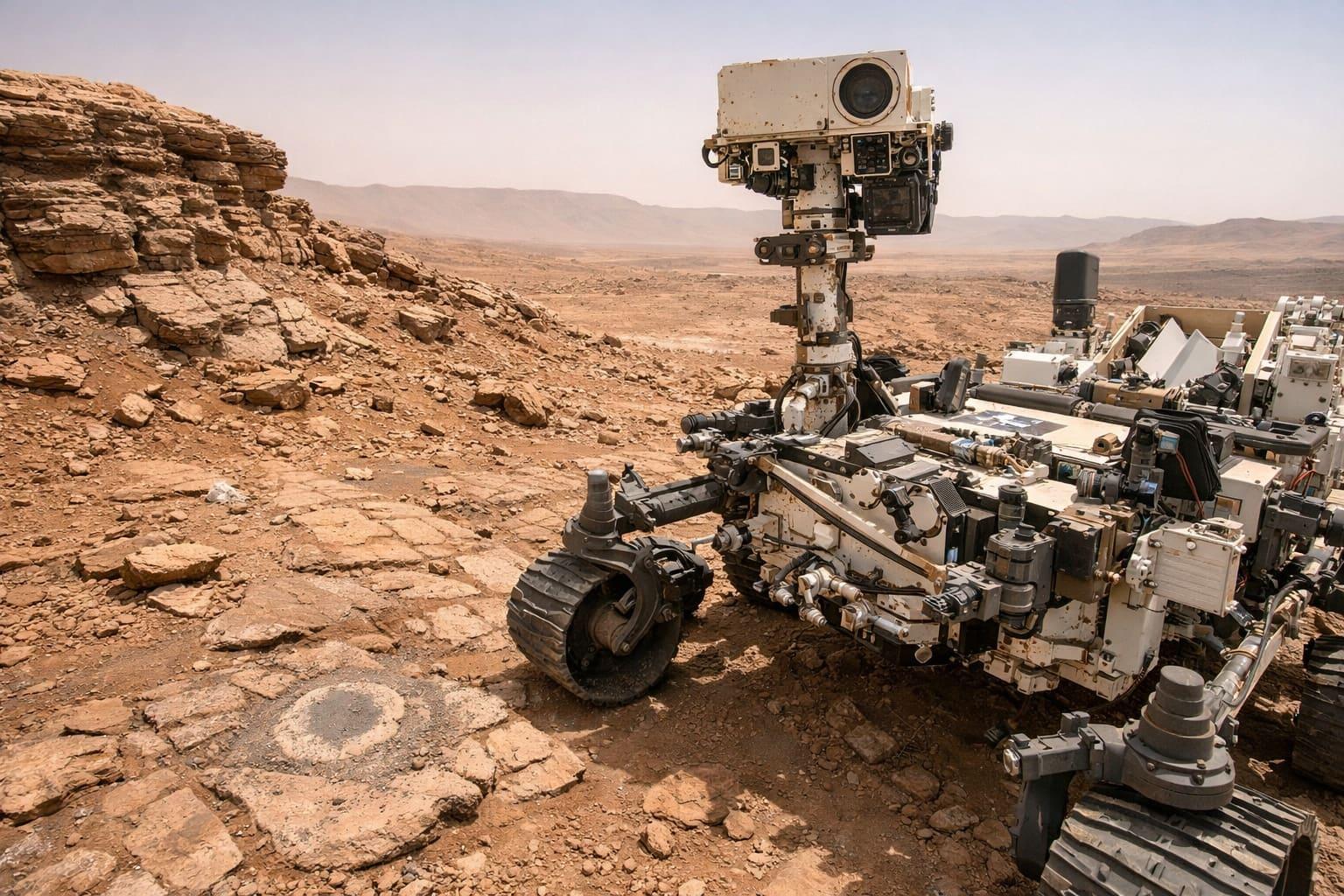
NASA's Curiosity and Perseverance rovers have unveiled stunning 360-degree panoramas of Mars, showcasing the planet's diverse geological history. Curiosity explores younger terrains while Perseverance investigates some of the oldest landscapes, revealing insights into Mars' past and potential for life. These images highlight the rovers' contributions to understanding the Red Planet's formation and ancient environments.

Two blazing quasars caught waltzing into a merger
Astronomers have confirmed a rare quasar pair, J2037–4537, in merging galaxies at redshift 5.7, using ALMA observations. This discovery, one of only two such pairs found at this distance, reveals insights into galaxy mergers and supermassive black hole activity. The study indicates that these quasars are likely to evolve into a binary system over billions of years, contributing to our understanding of gravitational waves.

Successful Test of Space Camera for Artemis II Moon Mission
A specially modified Nikon Z9 camera has successfully passed radiation testing at the GSI/FAIR particle accelerator, confirming its reliability for space missions. This camera was utilized in the Artemis II lunar mission, capturing stunning images, including a solar eclipse. Its performance under extreme conditions paves the way for future lunar explorations.

‘Astonishing’ discovery could help save children from deadly disfiguring condition
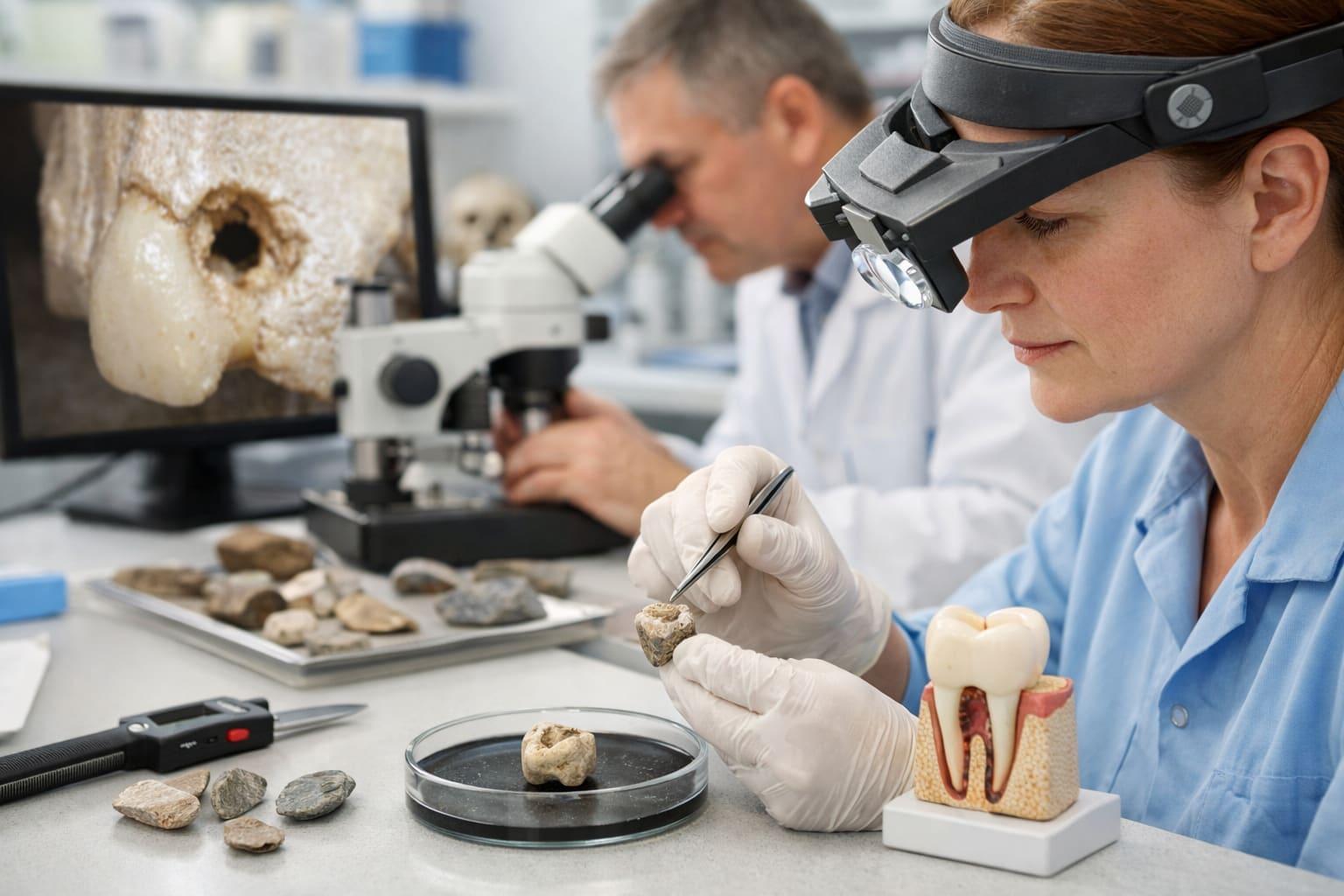
Researchers have identified a previously unknown species of bacteria linked to noma, a severe childhood disease that can lead to disfigurement or death. This discovery may pave the way for improved treatments and preventive measures against this neglected tropical disease, primarily affecting malnourished children in impoverished regions. The findings highlight the potential for targeted therapies and early detection methods to combat noma effectively.

WHO Approves First Malaria Drug for Babies
The World Health Organization has approved the first malaria drug specifically designed for infants, a significant advancement in combating malaria among the most vulnerable. This new formulation, combining artemether and lumefantrine, is safe for babies under 5 kilograms, addressing a critical gap in treatment. The approval allows for easier access to this essential medication in malaria-endemic regions, potentially saving countless young lives.
Page 3 of 5