‘Astonishing’ discovery could help save children from deadly disfiguring condition
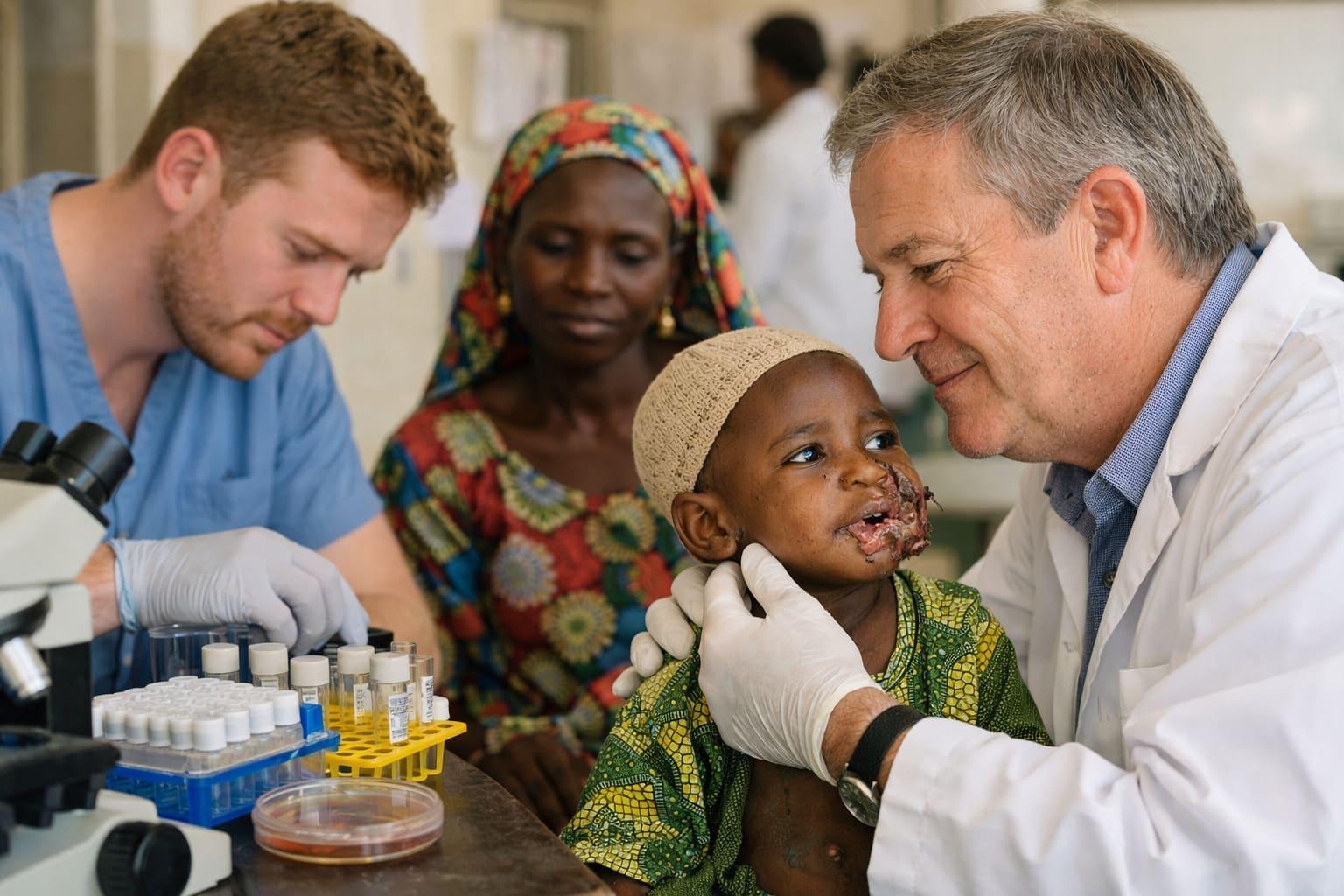
Researchers have identified a previously unknown species of bacteria linked to noma, a severe childhood disease that can lead to disfigurement or death. This discovery may pave the way for improved treatments and preventive measures against this neglected tropical disease, primarily affecting malnourished children in impoverished regions. The findings highlight the potential for targeted therapies and early detection methods to combat noma effectively.
At a glance
Location and topic
Region
Nigeria
Tag cluster
Trend count
+2 related briefs
What happened
A groundbreaking study led by the Liverpool School of Tropical Medicine has uncovered a new species of bacteria associated with noma, a devastating disease that primarily affects malnourished children in impoverished areas. Noma, often referred to as the "face of poverty," begins as a sore on the gums and can lead to severe tissue destruction in the mouth and face, with a mortality rate of 90% without treatment. The research involved analyzing samples from 19 children in Nigeria, where noma is prevalent, particularly in the Sahel region. The study revealed a disturbed microbial community in the mouths of these children, characterized by a significant presence of a previously unidentified species of Treponema bacteria, now designated as Treponema A. This finding is particularly striking given that noma has long been associated with a lack of healthy oral bacteria, which are crucial for maintaining oral health. The researchers, led by PhD student Angus O’Ferrall, presented their findings, which were met with astonishment by senior author Professor Adam Roberts, who noted the potential implications of this discovery. While the exact relationship between Treponema A and the progression of noma remains unclear, the team is planning larger studies to further investigate this connection. They aim to explore whether Treponema A can colonize noma wounds or if it plays a role in causing the disease. The hope is that early detection of Treponema A could lead to timely interventions, preventing noma from reaching its necrotizing stage, which often results in disfigurement or death. Currently, the only diagnostic method relies on clinical symptoms, which can include foul odors and visible tissue damage. The researchers believe that a test for Treponema A could revolutionize the way noma is diagnosed and treated, potentially saving countless lives.
Why this matters
Noma is often referred to as the 'face of poverty' due to its prevalence among malnourished children in low-income regions. The discovery of Treponema A offers a promising avenue for developing effective treatments and preventive strategies, potentially saving countless lives and improving the quality of life for survivors. Addressing this neglected tropical disease is crucial for global health equity, as noma disproportionately affects the most vulnerable populations. The potential for targeted therapies could not only enhance treatment outcomes but also reduce the risk of antimicrobial resistance associated with broad-spectrum antibiotics currently used to treat the disease. By focusing on specific bacterial strains, healthcare providers may be able to implement more effective and sustainable treatment protocols. Furthermore, the identification of Treponema A could lead to the development of preventive measures, such as probiotics, which could help restore healthy oral microbiomes in at-risk populations. This research underscores the importance of investing in neglected tropical diseases, which often receive little attention and funding despite their significant impact on global health.
What changed
The identification of Treponema A marks a significant advancement in understanding the etiology of noma, a disease that has long been shrouded in mystery. This discovery could lead to the development of specific diagnostic tests and targeted treatments, moving away from the current reliance on broad-spectrum antibiotics. The potential for preventive interventions, such as probiotics, also represents a shift in how noma may be approached in the future. Previously, treatment options were limited and often reactive, focusing on managing symptoms rather than addressing the underlying causes of the disease. With the new insights gained from this research, healthcare providers may be able to implement proactive measures that could prevent the onset of noma in at-risk children. This shift in focus from treatment to prevention could significantly alter the landscape of care for noma patients, reducing the incidence of the disease and improving overall health outcomes. Additionally, the study's findings may stimulate further research into the microbiome's role in other neglected tropical diseases, potentially leading to broader advancements in global health.
Bigger picture
Noma is classified as a neglected tropical disease, highlighting the broader issue of health disparities faced by vulnerable populations, particularly in low-income countries. The findings from this research could catalyze increased attention and funding for noma and similar diseases, which often receive little focus in global health initiatives. By addressing the root causes and improving treatment options, there is potential to significantly reduce the burden of noma and enhance the overall health outcomes for affected communities. The discovery of Treponema A not only sheds light on the complexities of noma but also emphasizes the need for a comprehensive approach to tackling neglected tropical diseases. This includes improving access to healthcare, enhancing nutritional support for at-risk populations, and fostering international collaboration to develop effective interventions. As global health organizations increasingly recognize the importance of addressing health inequities, the research on Treponema A could serve as a pivotal point in mobilizing resources and attention towards combating noma and similar diseases. The potential for targeted therapies and early detection methods could transform the landscape of care for children suffering from noma, ultimately contributing to a more equitable global health framework.
History
Noma has been recognized for centuries, yet it remains a largely overlooked disease in global health discussions. Historically, it has been associated with poverty, malnutrition, and poor oral hygiene, primarily affecting children in sub-Saharan Africa. Despite its high mortality and disfigurement rates, research and funding for noma have been minimal, contributing to its classification as a neglected tropical disease. The disease's devastating impact on children, often leading to lifelong scarring and social stigma, has prompted calls for greater awareness and action. In recent years, there has been a growing recognition of the need to address neglected tropical diseases as part of global health initiatives, particularly in light of the Sustainable Development Goals. However, noma continues to be underfunded and under-researched, leaving many affected communities without adequate support. The recent discovery of Treponema A represents a critical step towards understanding and combating this disease, potentially paving the way for more effective interventions and a renewed focus on the health challenges faced by vulnerable populations.
Looking Towards the Future
As research progresses, watch for developments in targeted treatments and diagnostic tests for noma, particularly those focusing on Treponema A. Additionally, monitor efforts to raise awareness and funding for neglected tropical diseases, which could lead to improved health outcomes for vulnerable populations. The response from global health organizations and potential collaborations to combat noma will also be crucial. Keep an eye on the outcomes of larger studies planned by the Liverpool School of Tropical Medicine, which aim to further investigate the role of Treponema A in noma and explore preventive measures. The implications of this research could extend beyond noma, influencing approaches to other neglected tropical diseases and contributing to a broader understanding of the human microbiome's role in health and disease.
Story timeline
Discovery of Treponema A
Researchers identify a new species of bacteria linked to noma in a study involving Nigerian children.
Noma's Historical Context
Noma has been recognized for centuries but remains a neglected tropical disease with high mortality rates.
Research Initiatives
The study aims to stimulate further research and funding for noma and similar neglected diseases.
Sources behind this brief
2 total
The Guardian
Original article detailing the discovery and its implications.
Plos Neglected Tropical Diseases
Research publication discussing the study's findings.
Further reading on this topic
3 links
World Health Organization
Provides an overview of noma, its impact, and current understanding.
Liverpool School of Tropical Medicine
Details ongoing research efforts to advance the understanding and treatment of noma.
PLOS Neglected Tropical Diseases
Presents a study on the oral microbiomes of children with noma, highlighting the role of Treponema sp. A.
Context zone
Nigeria
Context zone
Nigeria
On this map
‘Astonishing’ discovery could help save children from deadly disfiguring condition
Nigeria
No other published articles from this region yet. This marker anchors the story for future regional clustering.