First malaria drug for babies is approved in ‘major public health milestone’
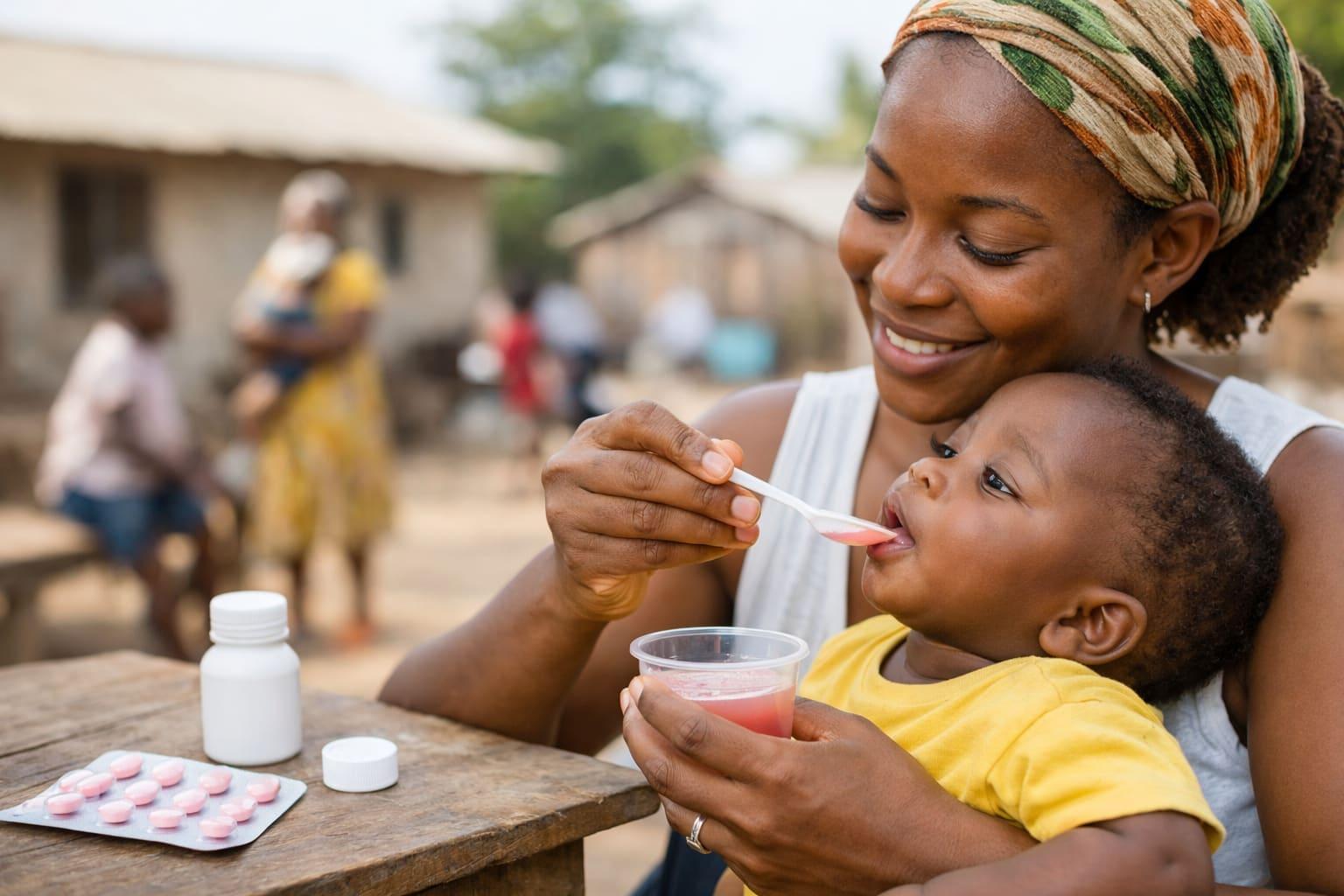
The World Health Organization has approved Coartem Baby, the first malaria treatment specifically for infants, marking a significant advancement in public health. This drug, designed for newborns as small as 2kg, aims to address the high malaria infection rates among young children in Africa. With its sweet cherry flavor, it can be easily administered, potentially saving countless lives.
At a glance
Location and topic
Region
Ghana
Tag cluster
Trend count
+9 related briefs
What happened
The World Health Organization (WHO) has officially granted prequalification for Coartem Baby, marking a historic milestone as the first malaria treatment specifically formulated for infants. This approval is particularly significant given that malaria remains a leading cause of illness and death among young children in Africa, with up to 18% of infants under six months infected in some regions. Prior to this development, infants suffering from malaria were treated with medications designed for older children, which posed risks of dosing errors, side effects, and toxicity. Coartem Baby is designed for infants weighing as little as 2kg (4.4lb) and comes in a sweet cherry-flavored tablet that can be easily dissolved in liquids, including breast milk, making it more palatable and easier to administer. The drug was developed through a collaboration between the multinational pharmaceutical company Novartis and the Medicines for Malaria Venture (MMV). The WHO's endorsement of Coartem Baby is seen as a major public health milestone, especially in light of the fact that malaria claimed approximately 610,000 lives in 2024, with three-quarters of those deaths occurring in children under five in Africa. The approval follows increasing research that challenges the long-held belief that young infants are largely protected from malaria due to maternal immunity. Dr. Tedros Adhanom Ghebreyesus, the WHO director general, emphasized the importance of this development, stating, "For centuries, malaria has stolen children from their parents, and health, wealth, and hope from communities. But today, the story is changing." The treatment has already been introduced in Ghana, where it has begun to make a significant difference in the lives of affected infants. Baby Wonder, an eight-month-old boy, was among the first patients to receive Coartem Baby when he was just 12 weeks old, after being hospitalized with a high fever and confirmed malaria infection. His mother, Naomi, expressed her fears when her son contracted malaria, especially given his underweight status at birth. Thanks to the timely administration of Coartem Baby, Baby Wonder is now healthy and thriving, showcasing the potential impact of this new treatment on infant health.
Why this matters
The approval of Coartem Baby represents a significant advancement in the fight against malaria, particularly for infants who are at the highest risk of severe illness and death. This treatment not only provides a safe and effective option for young patients but also reflects a broader commitment to improving global health outcomes. By addressing the specific needs of newborns and young children, healthcare systems can better combat the malaria epidemic, which disproportionately affects vulnerable populations. The introduction of Coartem Baby is expected to reduce the incidence of misdiagnosis and ineffective treatment, ultimately saving countless lives. Furthermore, this development underscores the importance of targeted medical solutions that cater to the unique physiological characteristics of infants, paving the way for future innovations in pediatric medicine. As healthcare providers gain access to this new treatment, it is anticipated that the overall management of malaria in young children will improve, leading to better health outcomes and a reduction in mortality rates associated with this preventable disease.
What changed
With the WHO's approval of Coartem Baby, healthcare providers now have access to a treatment specifically designed for infants suffering from malaria. This change is crucial as it allows for more accurate dosing tailored to the needs of young patients, significantly reducing the risks associated with using adult formulations that were previously the only option. The introduction of this drug is expected to improve treatment outcomes for newborns and young children, who have historically been underserved in malaria care. The availability of Coartem Baby means that healthcare professionals can now confidently treat infants with malaria, addressing a critical gap in pediatric healthcare. This shift not only enhances the safety and efficacy of malaria treatment for the youngest patients but also encourages healthcare systems to prioritize the development of age-appropriate medical solutions. As Coartem Baby becomes more widely available, it is likely to lead to a paradigm shift in how malaria is treated in infants, ultimately contributing to a decline in malaria-related morbidity and mortality in this vulnerable population.
Bigger picture
The approval of Coartem Baby is part of a larger, ongoing effort to combat malaria, which remains a significant public health challenge, particularly in sub-Saharan Africa. The WHO's endorsement of this drug highlights the importance of developing targeted treatments for vulnerable populations, such as infants, who have historically been overlooked in malaria treatment protocols. As malaria continues to affect millions of children worldwide, innovations like Coartem Baby could pave the way for further advancements in pediatric medicine and inspire additional research into effective treatments for other diseases affecting young children. The introduction of this drug aligns with global health initiatives aimed at reducing the burden of malaria and improving health outcomes for children. It also reflects a growing recognition of the need for age-appropriate medical solutions that address the unique challenges faced by infants and young children. As healthcare systems adapt to incorporate Coartem Baby into their treatment regimens, it will be essential to monitor its impact on malaria treatment outcomes and overall child health. The success of this initiative could serve as a model for future developments in pediatric care, emphasizing the importance of tailored treatments that meet the specific needs of young patients. Additionally, ongoing efforts to improve malaria prevention strategies, such as the development of vaccines and diagnostic tools, will be crucial in the fight against this disease.
History
Historically, malaria has been a leading cause of morbidity and mortality in children, particularly in Africa, where the disease has devastated communities for centuries. For decades, treatments were not tailored for infants, leading to high rates of misdiagnosis and ineffective care. The development of Coartem Baby marks a turning point in addressing this gap, reflecting a growing recognition of the need for age-appropriate medical solutions. The approval of this drug is a culmination of years of research and advocacy aimed at improving health outcomes for the youngest and most vulnerable populations. It signifies a shift in the understanding of malaria's impact on infants, challenging the long-held belief that they were largely protected by maternal immunity. As the global health community continues to confront the challenges posed by malaria, the introduction of Coartem Baby represents a critical step forward in ensuring that even the smallest patients receive the care they need to survive and thrive.
Looking Towards the Future
As Coartem Baby becomes available in more regions, it will be important to monitor its impact on malaria treatment outcomes in infants. Observing how healthcare systems adapt to incorporate this new treatment will provide valuable insights into the effectiveness of targeted pediatric care. Additionally, tracking the drug's distribution and accessibility in malaria-endemic areas will be crucial in assessing its reach and effectiveness. Future developments in malaria prevention and treatment, including vaccines and diagnostic tools, will also be essential to watch, as they may further enhance the fight against this disease. The ongoing collaboration between pharmaceutical companies, health organizations, and governments will play a vital role in ensuring that innovations like Coartem Baby are effectively integrated into public health strategies aimed at reducing the burden of malaria on vulnerable populations.
Story timeline
WHO Approval
The World Health Organization approves Coartem Baby for use in infants.
First Treatment Administered
The first patients, including Baby Wonder, receive Coartem Baby in Ghana.
Malaria Statistics Released
Statistics reveal that malaria caused 610,000 deaths in 2024, with a significant number among children under five.
Sources behind this brief
2 total
The Guardian
Original article detailing the approval of Coartem Baby.
WHO
Official announcement from the World Health Organization.
Further reading on this topic
2 links
Context zone
Ghana
Context zone
Ghana
On this map
First malaria drug for babies is approved in ‘major public health milestone’
Ghana
No other published articles from this region yet. This marker anchors the story for future regional clustering.