WHO Approves First Malaria Drug for Babies
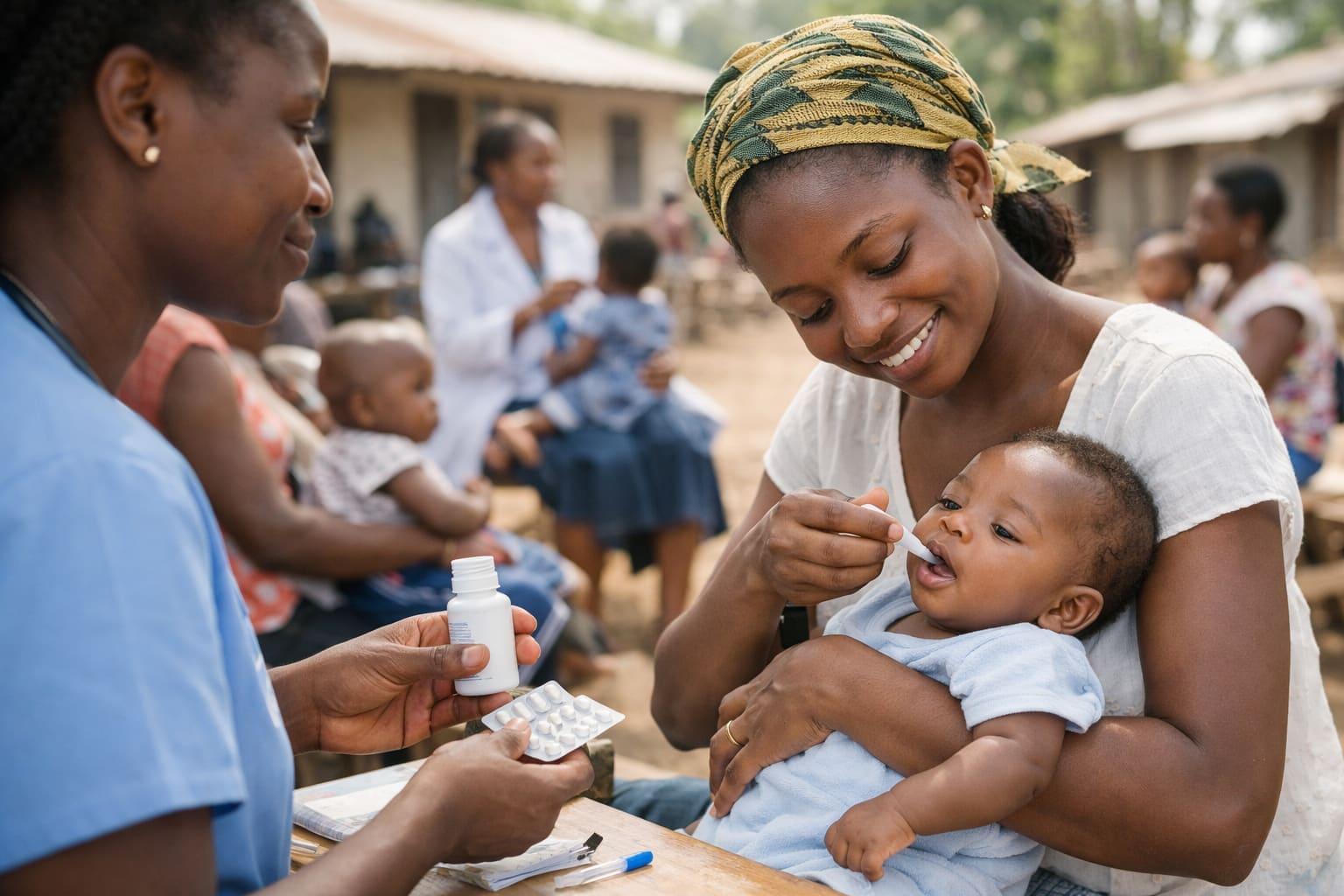
The World Health Organization has approved the first malaria drug specifically designed for infants, a significant advancement in combating malaria among the most vulnerable. This new formulation, combining artemether and lumefantrine, is safe for babies under 5 kilograms, addressing a critical gap in treatment. The approval allows for easier access to this essential medication in malaria-endemic regions, potentially saving countless young lives.
At a glance
Location and topic
Region
Global
Tag cluster
Trend count
+4 related briefs
What happened
On April 25, 2026, the World Health Organization (WHO) made a groundbreaking announcement by approving the first malaria drug specifically designed for infants, a combination of artemether and lumefantrine. This formulation is particularly significant as it is safe for babies weighing less than 5 kilograms (approximately 11 pounds), addressing a critical gap in treatment options for the youngest and most vulnerable patients. Historically, infants have been treated with medications intended for older children, which posed serious risks of dosing errors and potential toxicity. The WHO's approval allows countries to authorize the use of this drug even in the absence of full clinical trials, thereby facilitating its distribution in malaria-endemic regions where it is desperately needed. This decision is especially crucial given that children under five account for more than two-thirds of malaria-related deaths globally, with the disease claiming the lives of approximately 200,000 children each year. The new drug aims to close a significant medical care gap for the estimated 30 million babies born annually in malaria-endemic areas, particularly in sub-Saharan Africa, which accounts for 90% of global malaria cases and deaths. WHO chief Tedros Adhanom Ghebreyesus highlighted the importance of this development, stating, "For centuries, malaria has stolen children from their parents, and health, wealth, and hope from communities. But today, the story is changing." This approval comes on the heels of other significant advancements in malaria treatment and prevention, including the introduction of new rapid diagnostic tests and the rollout of malaria vaccines, which are all part of a comprehensive strategy to combat this persistent global health challenge.
Why this matters
The approval of this malaria drug is a pivotal moment in the fight against a disease that has long devastated communities, particularly in sub-Saharan Africa. Infants, who are disproportionately affected by malaria, have historically faced a lack of effective treatment options, leading to alarmingly high mortality rates. By providing a safe and effective drug specifically designed for this vulnerable demographic, the WHO is taking a significant step toward reducing the burden of malaria on young lives. This initiative not only addresses immediate health needs but also underscores the importance of targeted healthcare solutions for children, who are often the most affected by infectious diseases. The introduction of this drug could potentially save thousands of lives each year, making it a critical component of global health strategies aimed at improving child health outcomes and reducing overall malaria incidence.
What changed
The approval of this malaria drug represents a significant shift in the treatment landscape for infants suffering from malaria. Previously, infants were treated with adult medications, which posed risks of incorrect dosing and toxicity. The new formulation of artemether and lumefantrine allows for safer and more effective treatment tailored specifically for infants, potentially saving countless lives. Furthermore, the WHO's decision to permit countries to authorize the drug without the need for full clinical trials can expedite access to this essential medication in regions where malaria is endemic. This change not only enhances treatment options for infants but also reflects a broader commitment to addressing the healthcare needs of the youngest and most vulnerable populations in the fight against malaria.
Bigger picture
The approval of the malaria drug for infants is part of a larger, ongoing global effort to combat malaria, which remains one of the leading causes of death among children in many parts of the world. In 2024 alone, there were approximately 282 million reported cases of malaria and over half a million deaths, underscoring the urgent need for effective treatments. This initiative aligns with global health strategies aimed at reducing malaria incidence and mortality, particularly in sub-Saharan Africa, where the disease burden is most severe. The introduction of this drug, alongside new vaccines and diagnostic tools, represents a comprehensive approach to tackling malaria and improving health outcomes for children. The WHO's recent approval also follows the introduction of new rapid tests designed to detect malaria more accurately, addressing the issue of false negatives that have plagued diagnosis in regions like the Horn of Africa. As malaria parasites evolve and become harder to detect, these advancements are crucial for timely and effective treatment. The combination of new treatment options, vaccines, and diagnostic tools signifies a turning point in the global fight against malaria, with the potential to significantly reduce the disease's impact on vulnerable populations.
History
Malaria has posed a significant public health challenge for centuries, particularly in tropical and subtropical regions where the disease is endemic. Efforts to combat malaria have evolved over time, beginning with the use of quinine derived from cinchona bark in the 17th century, to the development of synthetic antimalarial drugs in the 20th century. The World Health Organization has been at the forefront of these efforts, launching various initiatives aimed at reducing malaria transmission and improving access to treatment. The recent approval of a malaria drug specifically for infants reflects a growing recognition of the need for tailored healthcare solutions for vulnerable populations, particularly young children who are disproportionately affected by the disease. This historical context highlights the ongoing struggle against malaria and the importance of continued innovation in treatment and prevention strategies.
Looking Towards the Future
As the new malaria drug is rolled out, it will be crucial to monitor its impact on malaria mortality rates among infants. Observers should pay close attention to the effectiveness of distribution strategies in malaria-endemic regions to ensure that the drug reaches those in need. Additionally, the response from healthcare systems in these areas will be important in assessing the drug's integration into existing treatment protocols. Furthermore, stakeholders should keep an eye on further developments in malaria treatment and prevention, including the introduction of new vaccines and diagnostic tools, as these advancements could significantly alter the landscape of malaria management and contribute to the global goal of eradicating the disease.
Story timeline
DW
WHO approves first Malaria drug for babies
WHO Approval
The WHO approves the first malaria drug specifically designed for infants.
World Malaria Day
The approval coincides with World Malaria Day, emphasizing global efforts against malaria.
Malaria Statistics
Over half a million deaths and 282 million cases of malaria reported globally.
Sources behind this brief
2 total
DW
New corroborating reporting on this story
WHO
Official announcement from the World Health Organization.
Further reading on this topic
2 links
Context zone
Global
Context zone
Global
On this map
WHO Approves First Malaria Drug for Babies
Global
No other published articles from this region yet. This marker anchors the story for future regional clustering.