New research aims to reduce microfiber pollution released from cruise and hotel laundry
Research from the University of Portsmouth is addressing microfiber pollution from industrial laundry operations in cruise ships and hotels. Utilizing Cleaner Seas Group's filtration technology, the study aims to quantify and mitigate the environmental impact of microfibers released into waterways. Initial trials indicate significant microfiber capture, highlighting the potential for effective pollution reduction strategies.
At a glance
Location and topic
Region
United Kingdom
Tag cluster
Trend count
+7 related briefs
What happened
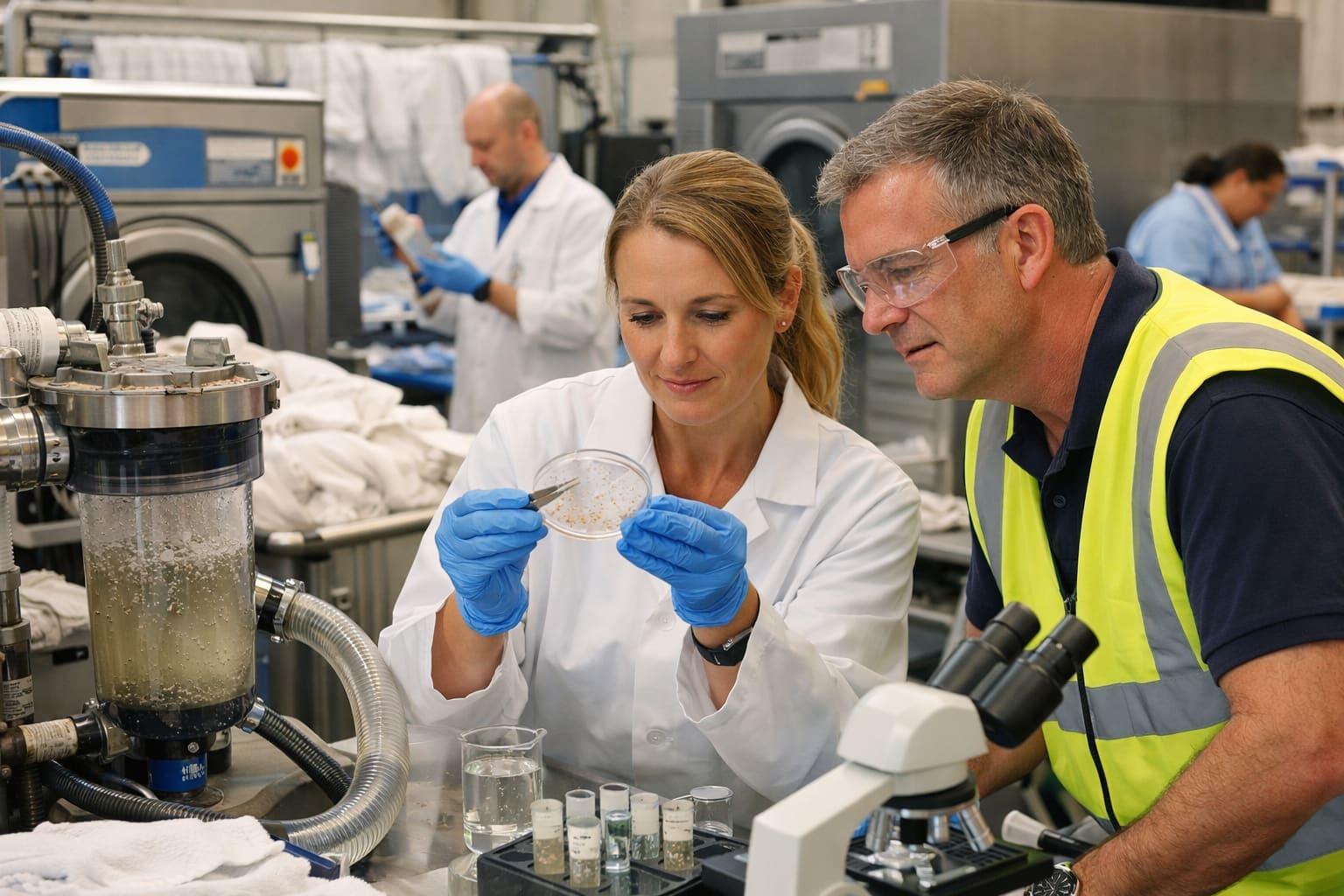
New research led by the University of Portsmouth is focusing on the environmental impact of microfiber pollution from industrial laundry operations in cruise ships and hotels. This study employs Cleaner Seas Group's advanced filtration technology to assess the scale of microfiber release into wastewater, a growing concern as the cruise industry expands. Initial trials have shown that hundreds of microplastic threads can be captured from a single subsample taken from the filtration system, indicating a substantial pollution problem that needs addressing. Researchers are now analyzing samples to determine the volume and composition of fibers produced by industrial laundry systems, which process large quantities of textiles daily. The project is set to test washing machines in real-world settings over the next four months, with the goal of providing evidence that filtration systems can significantly reduce microfiber discharge into marine environments. As cruise tourism continues to grow, with approximately 1.7 million U.K. residents participating in cruise holidays in 2022, the potential environmental impact of laundry operations is considerable. Large cruise ships can produce between 900,000 and 1.2 million liters of greywater daily, a significant portion of which comes from onboard laundries that process tons of laundry, including sheets, towels, and uniforms. The findings from this research are expected to contribute to a growing body of evidence on microfiber pollution and the effectiveness of filtration technologies, potentially leading to improved practices in the cruise and hospitality industries.
Why this matters
Microfiber pollution is a largely unseen environmental issue that affects marine ecosystems and human health. Microfibers, which are tiny plastic fibers shed from textiles during washing, can accumulate in waterways and oceans, posing risks to aquatic life and entering the food chain. By addressing this problem at its source, the research aims to prevent further contamination of waterways and mitigate the impact on marine biodiversity. The findings could lead to more effective regulations and practices in the cruise and hospitality industries, promoting sustainability and environmental responsibility. As public awareness of environmental issues grows, the need for industries to adopt cleaner practices becomes increasingly urgent. This research not only highlights the scale of the problem but also emphasizes the importance of proactive measures to protect our oceans and ecosystems from pollution.
What changed
The research highlights a shift in focus towards industrial laundry systems, which have been largely overlooked in discussions about microfiber pollution. Previous studies primarily concentrated on domestic laundry, but this project aims to quantify the microfiber release from large-scale operations in the cruise and hotel sectors. By utilizing advanced filtration technology, the study aims to provide concrete data on the scale of microfiber release and the effectiveness of mitigation strategies. This could lead to new standards and practices in the industry, emphasizing the importance of pollution prevention. The collaboration with Cleaner Seas Group also signifies a move towards integrating innovative technologies into everyday operations, potentially setting a precedent for other industries to follow. As regulatory scrutiny on environmental impacts intensifies, the outcomes of this research could influence policy changes and encourage the adoption of sustainable practices across various sectors.
Bigger picture
As environmental concerns grow, industries are increasingly scrutinized for their impact on ecosystems. Microfiber pollution is a significant contributor to marine degradation, with studies indicating that microplastics are now found in deep ocean sediments and even in the food we consume. This research underscores the need for innovative solutions to combat this pervasive issue. The findings could influence regulatory frameworks, prompting governments and organizations to implement stricter guidelines on wastewater management and pollution control. Furthermore, the study aligns with broader efforts to protect marine environments and promote public health, highlighting the interconnectedness of human activities and ecological well-being. The principle of One Health, which recognizes that the health of our oceans, ecosystems, and people are fundamentally interconnected, is particularly relevant in this context. By addressing microfiber pollution, the research contributes to a larger narrative about sustainability and environmental stewardship, encouraging industries to adopt practices that minimize their ecological footprint. As the cruise and hospitality sectors continue to grow, the implementation of effective filtration systems could serve as a model for other industries, demonstrating that it is possible to balance economic growth with environmental responsibility.
Looking Towards the Future
Monitor the outcomes of the ongoing trials and the subsequent publication of findings later this year. The results will provide critical insights into the effectiveness of filtration systems in reducing microfiber pollution from industrial laundry operations. Watch for potential regulatory changes in the cruise and hospitality sectors regarding wastewater management and pollution control, as these industries face increasing pressure to adopt sustainable practices. Additionally, observe how this research influences public awareness and industry practices related to microfiber pollution, potentially leading to a broader movement towards environmental accountability in various sectors.
Story timeline
Research Announcement
The University of Portsmouth announces new research on microfiber pollution from industrial laundry.
Initial Trials Begin
Initial trials using filtration technology commence to assess microfiber capture.
Results Publication Expected
Results from the study are expected to be published, detailing findings on microfiber pollution.
Sources behind this brief
2 total
Phys.org
Original article on microfiber pollution research.
University of Portsmouth
Research institution leading the study.
Further reading on this topic
2 links
Context zone
United Kingdom
Context zone
United Kingdom
On this map
New research aims to reduce microfiber pollution released from cruise and hotel laundry
United Kingdom
Sabastian Sawe breaks two-hour barrier to make history in London Marathon
London, United Kingdom
Kenyan runner Sabastian Sawe has made history by breaking the two-hour barrier in the London Marathon, finishing with a time of 1:59:30. This remarkable achievement not only sets a new world record but also positions Sawe among the greatest athletes in marathon history. His performance has sparked comparisons to legendary feats in athletics, showcasing the evolution of marathon running.
Dippy the injured axolotl rescued from Welsh river
Bridgend, United Kingdom
An injured axolotl named Dippy was rescued from the River Ogmore in Wales by a family during their holiday. The creature, found under a bridge, had injuries likely caused by a predator. Dippy's recovery is being documented on TikTok, raising awareness about the species, which is critically endangered in the wild.