NASA Fuel Cell Tests Pave Way for Energy Storage on the Moon
NASA is advancing its lunar exploration efforts with the testing of regenerative fuel cell systems designed for energy storage on the moon. This innovative technology could significantly enhance power generation and storage capabilities for future missions, particularly under the Artemis program. The tests aim to validate the system's performance and readiness for deployment on the lunar surface.
The story
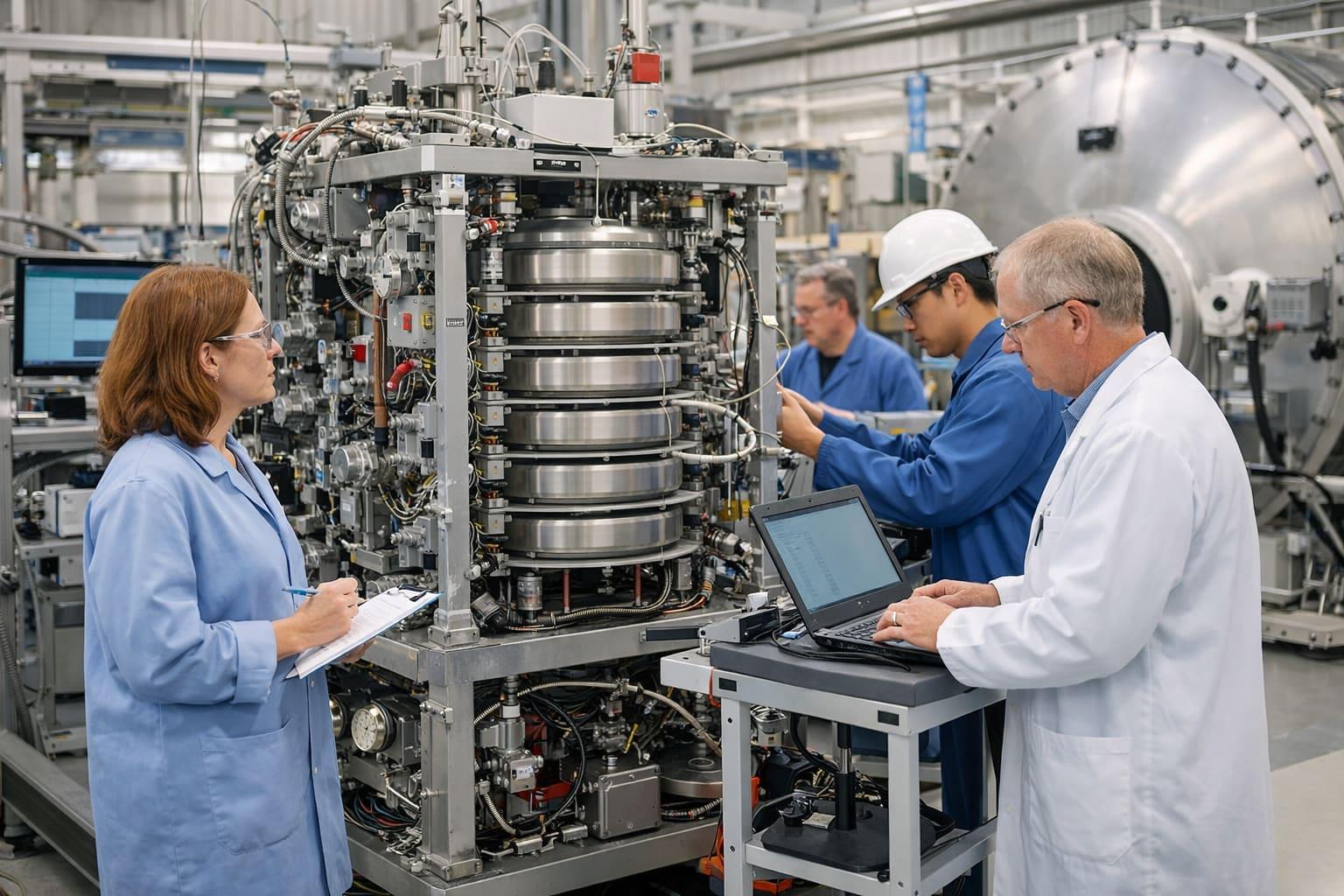
NASA's Glenn Research Center in Cleveland is currently conducting groundbreaking tests on a regenerative fuel cell system, a technology that could significantly enhance energy storage capabilities for future lunar missions. This innovative system, which resembles a stack of flattened soda cans, is designed to operate like a rechargeable battery. It generates power by combining hydrogen and oxygen to produce water, heat, and electricity, and can recharge by splitting water back into its components. This dual functionality makes it particularly suitable for the harsh conditions on the lunar surface, where energy demands will be high and resources limited. The testing process involves a team of researchers, led by Dr. Kerrigan Cain, who are meticulously preparing the system for operation. The regenerative fuel cell system is about the size of a sedan and is equipped with nearly 270 sensors and 1,000 components. The team has been working on this project for over five years, with initial tests completed in 2025 to refine the technology and understand its basic functions. The current phase of testing aims to validate the system's performance and readiness for deployment on the lunar surface, particularly for NASA's Artemis program, which aims to establish a sustainable human presence on the moon. During the tests, researchers will simulate lunar conditions to ensure the system can function effectively in the extreme environment of the moon, including the prolonged darkness of lunar nights that can last nearly two weeks. This capability is crucial, as it allows astronauts to maximize their resources without relying on frequent resupply missions from Earth. The team is optimistic about the potential of this technology to support habitats, exploration vehicles, and various systems envisioned under the Artemis program, which is set to play a pivotal role in humanity's return to the moon and eventual exploration of Mars.
Why it matters
The development of regenerative fuel cells is a critical advancement for enabling long-term human exploration of the moon. As NASA prepares for its Artemis missions, having a reliable energy source is essential for various activities, including scientific research, habitat maintenance, and exploration. This technology represents a significant leap towards achieving NASA's goals for sustained lunar presence and exploration, as it addresses the challenges of energy storage and management in a remote and harsh environment. By utilizing regenerative fuel cells, NASA can ensure that astronauts have access to the energy they need to conduct their missions effectively. This innovation not only enhances the feasibility of lunar operations but also sets a precedent for future missions to Mars and beyond, where similar energy challenges will arise. The ability to generate and store energy on-site reduces the dependency on Earth-based supplies, making long-duration missions more sustainable and efficient. As such, the successful implementation of this technology could pave the way for a new era of space exploration, where human presence on other celestial bodies becomes a reality.
Evidence and context
The advancements in regenerative fuel cell technology align with broader goals of sustainable space exploration and the establishment of a human presence on the moon. As NASA prepares for the Artemis missions, the focus on efficient energy solutions is paramount. This technology not only supports lunar exploration but also sets the stage for future missions to Mars and beyond, where similar energy challenges will arise. The collaboration between NASA and industry partners in developing these technologies highlights the importance of innovation in achieving ambitious space exploration goals. The Artemis program, which aims to land the first woman and the next man on the moon by the mid-2020s, is a critical component of NASA's long-term vision for human exploration of Mars. The successful implementation of regenerative fuel cells could significantly enhance the capabilities of lunar habitats and exploration vehicles, making it possible for astronauts to live and work on the moon for extended periods. This technology could also serve as a model for energy solutions in future Martian missions, where the challenges of energy generation and storage will be even more pronounced. As NASA continues to push the boundaries of space exploration, the development of sustainable energy solutions will be essential for ensuring the success of these ambitious missions.
Limits and unknowns
NASA's interest in lunar exploration has evolved significantly since the Apollo missions of the 1960s and 1970s, which marked humanity's first steps on the moon. The Apollo program was primarily focused on short-term exploration and scientific discovery, but the lessons learned from those missions have informed a new approach to lunar exploration. The Artemis program, initiated in the 21st century, aims to establish a sustainable human presence on the moon, with a focus on long-term habitation and exploration. The development of advanced energy storage solutions, such as regenerative fuel cells, reflects the need for innovative technologies to support this new era of exploration. Unlike the Apollo missions, which relied heavily on Earth-based supplies, the Artemis program emphasizes the importance of in-situ resource utilization and sustainable energy solutions. This historical context underscores the significance of current research efforts in shaping the future of space exploration, as NASA seeks to build on the successes of the past while addressing the challenges of long-term human presence on the moon and beyond.
What happens next
As testing progresses, keep an eye on the results from the regenerative fuel cell system, particularly its performance under simulated lunar conditions. Future updates will likely reveal how this technology can be integrated into upcoming lunar missions and its potential impact on long-term human habitation on the moon. Additionally, watch for any announcements regarding partnerships with industry leaders, as collaboration will be key to advancing this technology and ensuring its successful deployment in future missions.
Follow the story
Share it, watch the explainer, or continue with the reporting trail.
Story timeline
Initial Testing
Initial tests of the regenerative fuel cell system were completed to understand its basic functions.
Current Testing Phase
NASA begins comprehensive tests of the regenerative fuel cell system to prepare for lunar missions.
Artemis Program Launch
The Artemis program aims to return humans to the moon and establish a sustainable presence.
Further reading on this topic
4 links
NASA
An overview of NASA's regenerative fuel cell testing for lunar energy storage.
NASA Technical Reports Server
A technical presentation on regenerative fuel cell systems for lunar applications.
NASA Technical Reports Server
A study on regenerative fuel cell architectures for lunar surface power.
NASA Technical Reports Server
Research on regenerative fuel cell power systems for lunar and Martian exploration.
NASA Fuel Cell Tests Pave Way for Energy Storage on the Moon
A short visual explainer for readers who want the story in a different rhythm.