Germany marks 69th birthday of zoo’s oldest gorilla
Berlin Zoo celebrated the 69th birthday of Fatou, the world's oldest known gorilla, emphasizing the importance of specialized care in captivity. Fatou, born in 1957, has lived significantly longer than the average lifespan of her species in the wild. The zoo's approach to her care includes tailored diets and regular veterinary monitoring, showcasing how zoos can contribute to the longevity of endangered species.
The story
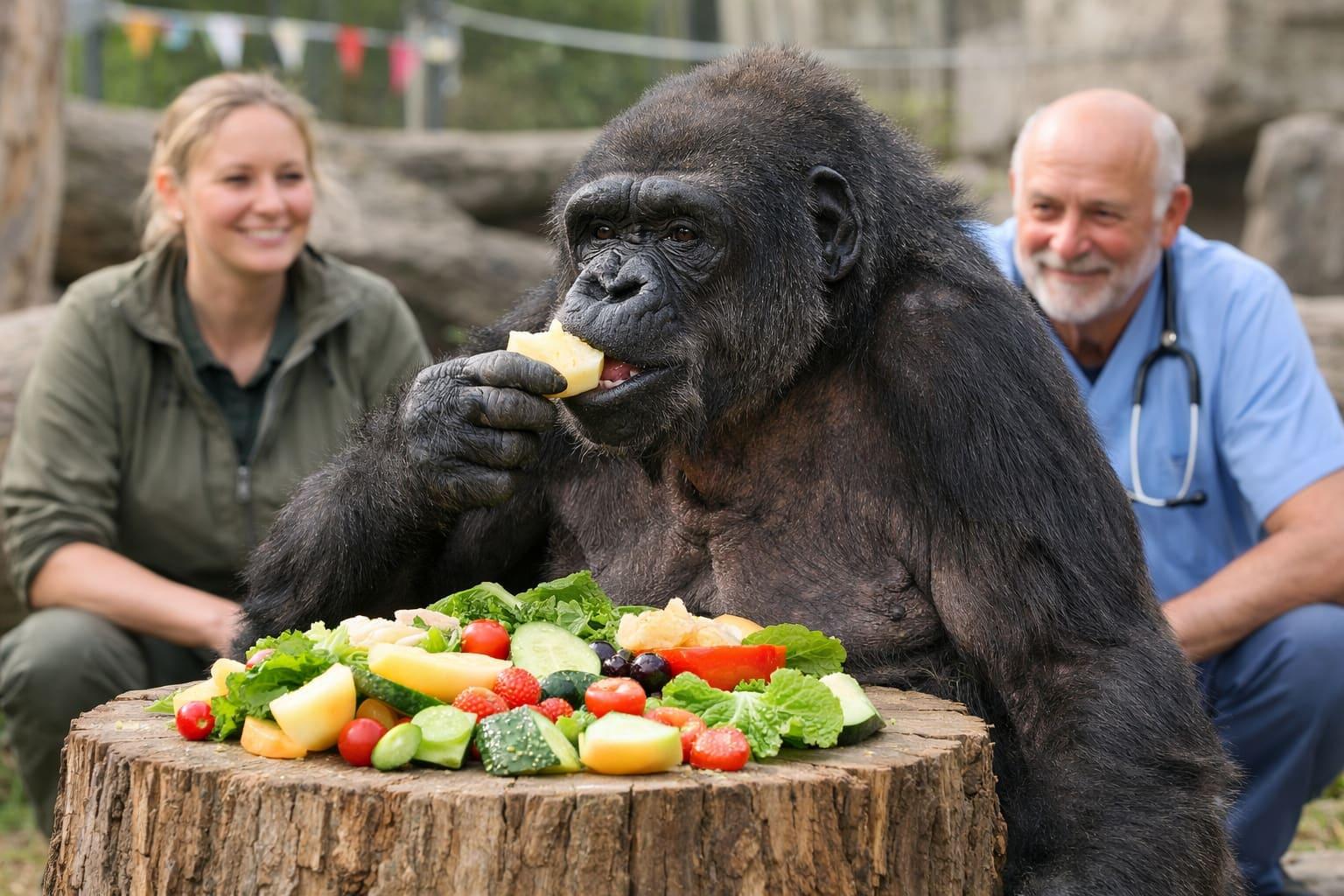
On April 13, 2026, Berlin Zoo celebrated the remarkable 69th birthday of Fatou, a western lowland gorilla who holds the title of the oldest known gorilla in the world. Fatou was born around 1957 and arrived at the Berlin Zoo in 1959, when she was just a young animal. Her longevity is particularly noteworthy, as gorillas in the wild typically live only 35 to 40 years. The zoo marked this milestone with a special meal tailored to her dietary needs, which included soft vegetables rather than traditional birthday cake, reflecting the zoo's commitment to her health and well-being as she ages. Fatou's care regimen has evolved over the years to include specialized diets, quieter living environments, and regular veterinary check-ups, all aimed at ensuring her comfort and longevity. Despite showing signs of aging, such as tooth loss and mild arthritis, her overall condition remains stable, and she continues to thrive in her separate enclosure. Fatou's status as the oldest resident of the Berlin Zoo was solidified following the death of a flamingo previously believed to be at least 75 years old. The zoo's approach to Fatou's care serves as a model for how zoos can effectively manage aging animals, emphasizing the importance of adapting care practices to meet the unique needs of elderly species. This celebration not only highlights Fatou's individual story but also underscores the broader implications of specialized care in captivity for endangered species.
Why it matters
Fatou's extraordinary longevity is significant as it exemplifies the potential for captive environments to enhance the lives of endangered species. Her story serves as a powerful reminder of the importance of animal welfare and conservation efforts within zoos. By showcasing Fatou's specialized care, the Berlin Zoo promotes a model for effectively managing aging animals, which can inspire similar practices in other institutions worldwide. This focus on tailored care not only benefits individual animals but also contributes to the overall mission of zoos to educate the public about conservation and the challenges faced by endangered species. As public awareness of animal rights and welfare continues to grow, Fatou's story can help foster a deeper understanding of the role that zoos play in preserving biodiversity and protecting vulnerable species from extinction. The zoo's commitment to Fatou's well-being highlights the importance of ongoing research and development in animal care practices, ensuring that aging animals receive the attention and support they need to thrive in captivity.
Wider lens
Fatou's story is part of a larger narrative about the evolving role of zoos in conservation and animal welfare. As public interest in animal rights and conservation grows, zoos are increasingly focusing on providing high-quality care for their residents, particularly for aging animals like Fatou. This shift reflects a broader understanding of the importance of animal welfare in captivity and the potential for zoos to contribute to species preservation. By showcasing successful cases like Fatou, zoos can inspire public support for conservation initiatives and promote awareness of the challenges faced by endangered species in the wild. The emphasis on specialized care for aging animals not only benefits individual animals but also enhances the overall reputation of zoos as institutions dedicated to conservation and education. As zoos continue to adapt their practices to meet the needs of their residents, they can play a crucial role in fostering a deeper connection between the public and wildlife, ultimately leading to increased support for conservation efforts. Fatou's longevity serves as a testament to the positive impact that well-managed zoo environments can have on endangered species, reinforcing the idea that zoos can be valuable allies in the fight against extinction.
What to watch
Future developments in animal care practices at zoos, particularly for aging animals, will be important to monitor. Observing how the Berlin Zoo continues to adapt its care strategies for Fatou and other elderly residents will provide insights into best practices for animal welfare. Additionally, the impact of Fatou's story on public perceptions of zoos and conservation efforts may lead to increased support for animal welfare initiatives. It will be significant to see how other zoos implement similar care strategies for their aging residents, potentially leading to a broader movement within the zoological community to prioritize the health and well-being of all animals, regardless of age.
Follow the story
Share it, watch the explainer, or continue with the reporting trail.
Story timeline
Fatou's Birth
Fatou, the world's oldest known gorilla, is born.
Arrival at Berlin Zoo
Fatou is brought to Berlin Zoo as a young gorilla.
69th Birthday Celebration
Berlin Zoo celebrates Fatou's 69th birthday with a special meal.
Further reading on this topic
4 links
Germany marks 69th birthday of zoo’s oldest gorilla
A short visual explainer for readers who want the story in a different rhythm.