Germany marks 69th birthday of zoo’s oldest gorilla
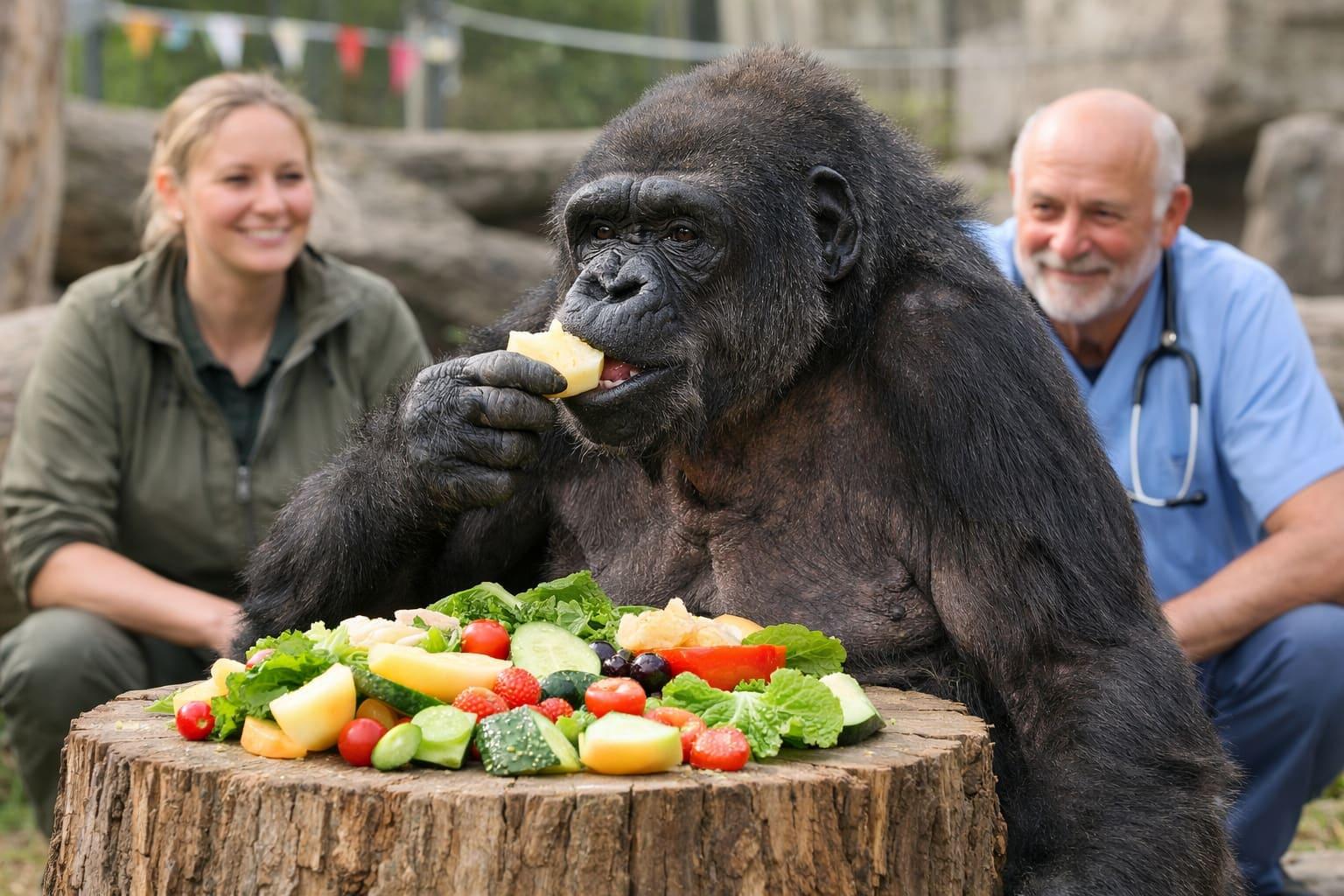
Berlin Zoo celebrated the 69th birthday of Fatou, the world's oldest known gorilla, highlighting the importance of specialized care in captivity for endangered species. Fatou, born in 1957, has lived significantly longer than the average lifespan of gorillas in the wild, showcasing the benefits of well-managed zoo environments. The zoo's focus on long-term care for aging animals includes tailored diets and regular veterinary monitoring.
At a glance
Location and topic
Region
Berlin, Germany
Tag cluster
Trend count
+5 related briefs
What happened
On April 13, 2026, Berlin Zoo celebrated the remarkable 69th birthday of Fatou, a western lowland gorilla recognized as the oldest known gorilla in the world. Fatou was born around 1957 and was brought to the Berlin Zoo in 1959 when she was just a young animal. Over the years, she has surpassed the typical lifespan of gorillas, which is generally between 35 to 40 years in the wild. This milestone birthday was marked with a special meal tailored to her dietary needs, consisting of soft vegetables and other suitable foods, rather than a traditional cake, reflecting the zoo's commitment to her health and well-being. The zoo has increasingly emphasized long-term care for aging animals, which includes not only specialized diets but also quieter housing and regular veterinary monitoring to ensure their comfort and health. Fatou has become a symbol of the zoo's dedication to animal welfare, especially as she now lives in a separate enclosure due to her age-related health issues, including tooth loss and mild arthritis. Despite these challenges, her condition remains stable, and she continues to receive the attentive care that has allowed her to thrive in captivity. The zoo's approach to Fatou's care exemplifies a broader trend in animal management, focusing on the unique needs of elderly animals and ensuring they receive appropriate support throughout their lives. Fatou's life story is not just a testament to her resilience but also serves as an important case study in the benefits of specialized care in captivity, showcasing how well-managed zoo environments can significantly extend the lives of endangered species.
Why this matters
Fatou's story is significant as it underscores the crucial role that zoos play in the conservation of endangered species. By providing specialized care tailored to the needs of individual animals, zoos can extend their lifespans and enhance their quality of life. This case exemplifies successful wildlife management practices and highlights the importance of preserving biodiversity. As the world's oldest gorilla, Fatou serves as a living testament to the advancements in animal care and the positive impact of zoos on species conservation. Her longevity not only raises awareness about the challenges faced by gorillas in the wild but also emphasizes the need for continued support and funding for conservation efforts. The attention surrounding her birthday celebration can inspire public interest in wildlife preservation and encourage individuals to engage with conservation initiatives, ultimately contributing to the protection of endangered species and their habitats.
What changed
The celebration of Fatou's 69th birthday marks a significant shift in how zoos approach the care of aging animals. There is a growing recognition of the need for specialized care in captivity, which can lead to improved animal welfare and longevity. This event highlights the importance of tailored diets and environments that cater to the specific needs of elderly animals, reflecting a broader trend in animal care practices. The increased focus on the well-being of aging animals in zoos may lead to the development of new protocols and standards for animal care, ensuring that all animals receive the attention and support they require as they age. Furthermore, Fatou's story raises awareness about the challenges faced by endangered species, prompting discussions about the role of zoos in conservation and the ethical considerations surrounding animal captivity. This shift in perspective can lead to enhanced public support for zoos and their conservation efforts, ultimately benefiting both the animals in their care and the broader ecosystem.
Bigger picture
Fatou's longevity and the attention given to her birthday celebration highlight the evolving role of zoos in wildlife conservation. As public interest in animal welfare grows, zoos are increasingly viewed as vital institutions for education and species preservation. The celebration of Fatou's 69th birthday not only showcases the advancements in animal care but also serves as a reminder of the importance of zoos in raising awareness about endangered species and their habitats. This event may inspire further investment in conservation programs and encourage the public to support initiatives aimed at protecting endangered species in their natural environments. Additionally, Fatou's story can serve as a catalyst for discussions about the ethical implications of keeping animals in captivity and the responsibilities of zoos to provide high-quality care. As zoos continue to adapt their practices to meet the needs of aging animals, they may also play a crucial role in fostering a deeper understanding of wildlife conservation among visitors, ultimately leading to a more informed and engaged public. The ongoing dialogue surrounding animal welfare and conservation can help shape future policies and practices within zoos, ensuring that they remain relevant and effective in their mission to protect biodiversity.
Looking Towards the Future
Future developments in animal care practices at zoos, particularly for aging animals, will be important to monitor. Observing how zoos implement tailored care strategies for elderly animals like Fatou can provide insights into best practices for animal welfare. Additionally, the impact of Fatou's story on public awareness and support for wildlife conservation efforts could lead to increased funding and initiatives aimed at protecting endangered species. It will be crucial to watch how this heightened awareness translates into action, both in terms of zoo practices and broader conservation efforts. Furthermore, the ongoing discussions about the ethical considerations of animal captivity and the role of zoos in conservation will likely continue to evolve, shaping the future landscape of wildlife management.
Story timeline
Fatou's Birth
Fatou, the world's oldest known gorilla, is born.
Arrival at Berlin Zoo
Fatou is brought to Berlin Zoo as a young gorilla.
69th Birthday Celebration
Berlin Zoo celebrates Fatou's 69th birthday with a special meal.
Sources behind this brief
2 total
Euronews RSS
Original article on Fatou's birthday celebration.
DW All RSS
Corroborating source on Fatou's birthday.
Further reading on this topic
4 links
Context zone
Germany
Context zone
Germany
On this map
Germany marks 69th birthday of zoo’s oldest gorilla
Berlin, Germany
Successful Test of Space Camera for Artemis II Moon Mission
Germany
A specially modified Nikon Z9 camera has successfully passed radiation testing at the GSI/FAIR particle accelerator, confirming its reliability for space missions. This camera was utilized in the Artemis II lunar mission, capturing stunning images, including a solar eclipse. Its performance under extreme conditions paves the way for future lunar explorations.
New Bioreactor Efficiently Produces Human Immune Cells
Hannover, Germany
Researchers at Hannover Medical School have developed a bioreactor that produces 40 million human macrophages weekly from stem cells. This innovation enhances the efficiency of immune cell production, crucial for disease research and therapeutic applications. The method, published in Nature Protocols, represents a significant advancement in biotechnological applications for medicine.