Israel and Lebanon hold direct talks for first time in decades
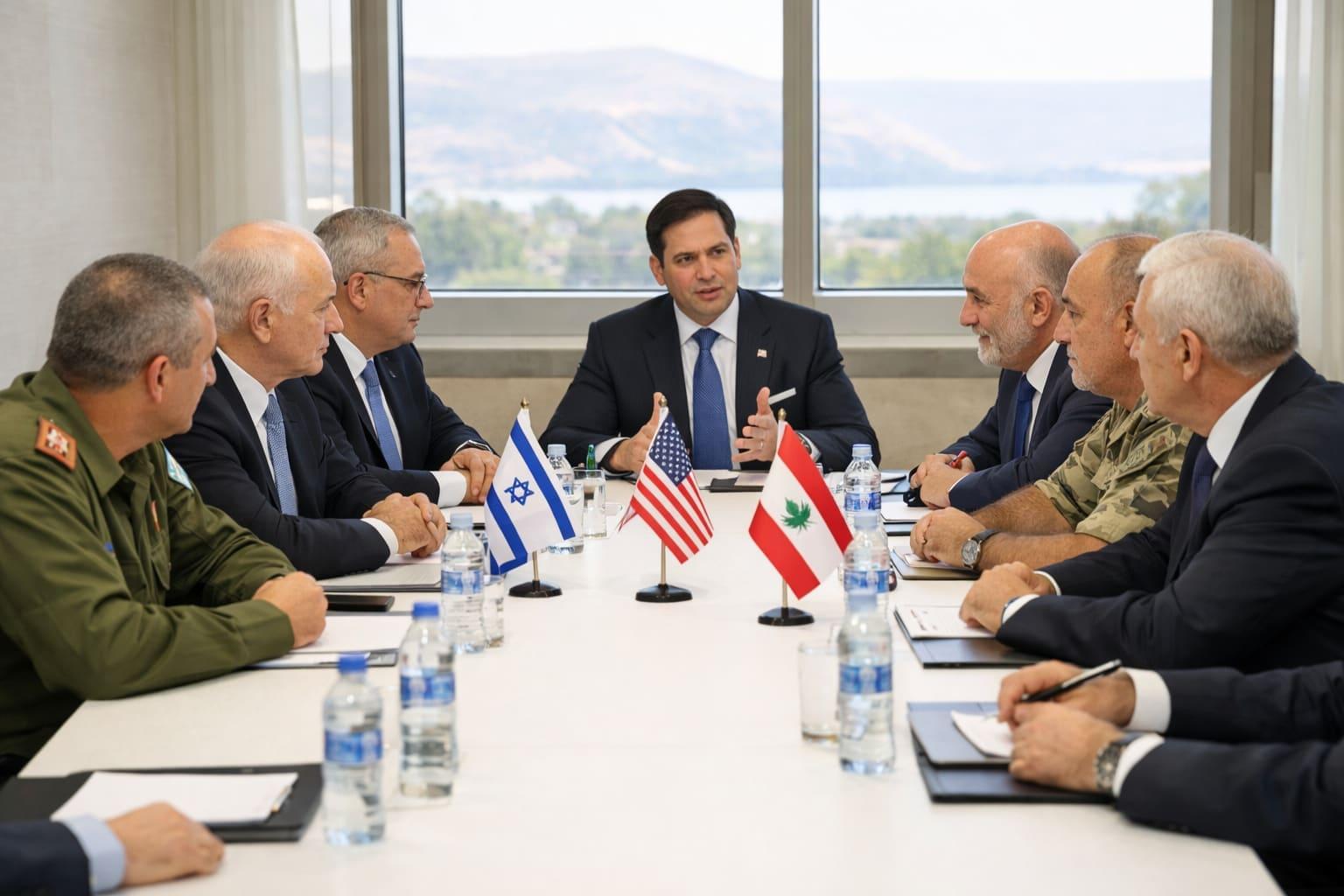
Israel and Lebanon have initiated direct talks for the first time in decades, focusing on the security of both nations. This significant development marks a potential shift in relations, with ongoing negotiations expected to follow. U.S. Secretary of State Marco Rubio has described this meeting as a 'milestone' in the peace process.
At a glance
Location and topic
Region
Israel
Tag cluster
Trend count
+3 related briefs
What happened
On April 15, 2026, Israel and Lebanon engaged in direct talks for the first time in decades, marking a significant moment in their historically fraught relationship. The discussions, which took place in a neutral location, focused primarily on mutual security concerns, particularly in light of the ongoing tensions surrounding Hezbollah's activities along the Lebanese-Israeli border. U.S. Secretary of State Marco Rubio, who was present for the talks, described the meeting as a 'milestone' in the peace process, emphasizing the importance of establishing a framework for ongoing negotiations between the two nations. The backdrop of these talks includes a series of recent skirmishes and military exchanges that have heightened fears of a broader conflict. Both sides have expressed a desire to address these security issues through dialogue rather than military confrontation. The talks are seen as a response to the changing dynamics in the region, including shifts in U.S. foreign policy and the evolving role of Iran in supporting Hezbollah. The discussions are expected to continue, with both parties indicating a willingness to explore solutions collaboratively. This initial meeting has been characterized by cautious optimism, as both nations recognize the potential benefits of improved relations, including economic cooperation and enhanced security. The outcome of these talks could set the stage for a new chapter in Israeli-Lebanese relations, one that prioritizes dialogue over conflict.
Why this matters
The resumption of direct talks between Israel and Lebanon is a significant development in a region long plagued by conflict and instability. For decades, the two nations have been locked in a cycle of hostility, with Lebanon's Hezbollah militia frequently clashing with Israeli forces. Establishing a dialogue could lead to improved security and cooperation, benefiting both nations and the broader region. This moment is particularly significant given the historical context of their relationship, which has been marked by wars, territorial disputes, and deep-seated mistrust. The potential for a diplomatic breakthrough could also resonate beyond the immediate parties involved, influencing other regional conflicts and encouraging a more collaborative approach to security in the Middle East. Furthermore, the involvement of the United States in facilitating these talks underscores the global interest in achieving stability in the region, particularly as tensions with Iran and its proxies remain high. The success of these negotiations could pave the way for a more peaceful coexistence, which is crucial for the long-term stability of both Israel and Lebanon.
What changed
The initiation of these talks represents a significant departure from decades of hostility and lack of communication between Israel and Lebanon. Historically, both nations have been reluctant to engage in direct dialogue, often resorting to military confrontations instead. This shift towards diplomacy indicates a recognition of the need for dialogue to address pressing security issues, particularly those related to Hezbollah's influence in Lebanon and its military capabilities. The commitment to ongoing negotiations suggests a willingness to explore solutions collaboratively, which could lead to a new era of diplomacy in the region. Additionally, the talks may influence domestic politics within both countries, as leaders face pressure to address security concerns while also seeking to improve relations with their neighbors. The willingness to engage in direct talks could also inspire other nations in the region to pursue similar diplomatic efforts, potentially leading to a broader trend of conflict resolution through dialogue rather than violence.
Bigger picture
The direct talks between Israel and Lebanon could have far-reaching implications for Middle Eastern geopolitics. As both nations navigate their complex relationship, the involvement of international actors like the U.S. underscores the global interest in regional stability. The U.S. has historically played a significant role in Middle Eastern diplomacy, and its support for these talks could enhance their credibility and effectiveness. Successful negotiations could inspire similar dialogues in other conflict-prone areas, promoting peace and cooperation across the region. Moreover, the outcome of these talks may influence the behavior of other regional players, including Iran and its allies, who have a vested interest in the dynamics between Israel and Lebanon. If the talks lead to a de-escalation of tensions, it could create a more favorable environment for addressing other regional conflicts, such as those in Syria and Yemen. Conversely, if the talks falter, it could exacerbate existing tensions and lead to renewed hostilities. The broader implications of these discussions extend beyond the immediate parties involved, as they could reshape alliances and power dynamics in the Middle East for years to come.
Looking Towards the Future
Observers should closely monitor the outcomes of these talks and any subsequent agreements that may emerge. Key indicators of progress will include the establishment of a framework for ongoing negotiations and any concrete steps taken to address security concerns along the Lebanese-Israeli border. Additionally, the reactions from regional players, including Hezbollah and other neighboring countries, will be crucial in assessing the talks' impact on broader Middle Eastern dynamics. The international community, particularly the United States, will likely play a pivotal role in supporting these negotiations and ensuring that both parties remain committed to the dialogue process. Any signs of escalation or renewed hostilities could signal a breakdown in talks, while positive developments could lead to increased cooperation and stability in the region.
Story timeline
Direct Talks Initiated
Israel and Lebanon hold their first direct talks in decades, focusing on security.
U.S. Involvement
U.S. Secretary of State Marco Rubio emphasizes the importance of the upcoming talks.
Historical Context
The last direct talks between Israel and Lebanon occurred, marking a long period of silence.
Sources behind this brief
3 total
Al Jazeera
Primary source of the news article.
NYT World
PaywalledCorroborating source providing additional context.
BBC World
Corroborating source detailing the significance of the talks.
Further reading on this topic
3 links
United Nations
Provides official statements and resolutions related to international peace and security.
U.S. Department of State
Offers official communications and policy statements on U.S. foreign relations.
Hezbollah Official Website
Provides Hezbollah's perspective and official statements.
Context zone
Israel
Context zone
Israel
On this map
Israel and Lebanon hold direct talks for first time in decades
Israel
Israel and Lebanon hold first direct talks since 1993
Israel
Israel and Lebanon have engaged in their first direct diplomatic talks in over three decades, mediated by US Secretary of State Marco Rubio. The discussions aim to address the ongoing conflict involving Hezbollah and seek a ceasefire amid a humanitarian crisis in Lebanon. Both sides have expressed a desire to reduce Hezbollah's influence in the region.
Israel and Lebanon agree to 10-day ceasefire, Trump says in social media post
Israel
Israel and Lebanon have reached a historic agreement for a 10-day ceasefire, as announced by U.S. President Donald Trump. This marks a significant diplomatic breakthrough, with the two nations engaging in direct talks for the first time in over 30 years. The ceasefire is set to begin at 5 P.M. EST, aiming to foster peace between the countries.