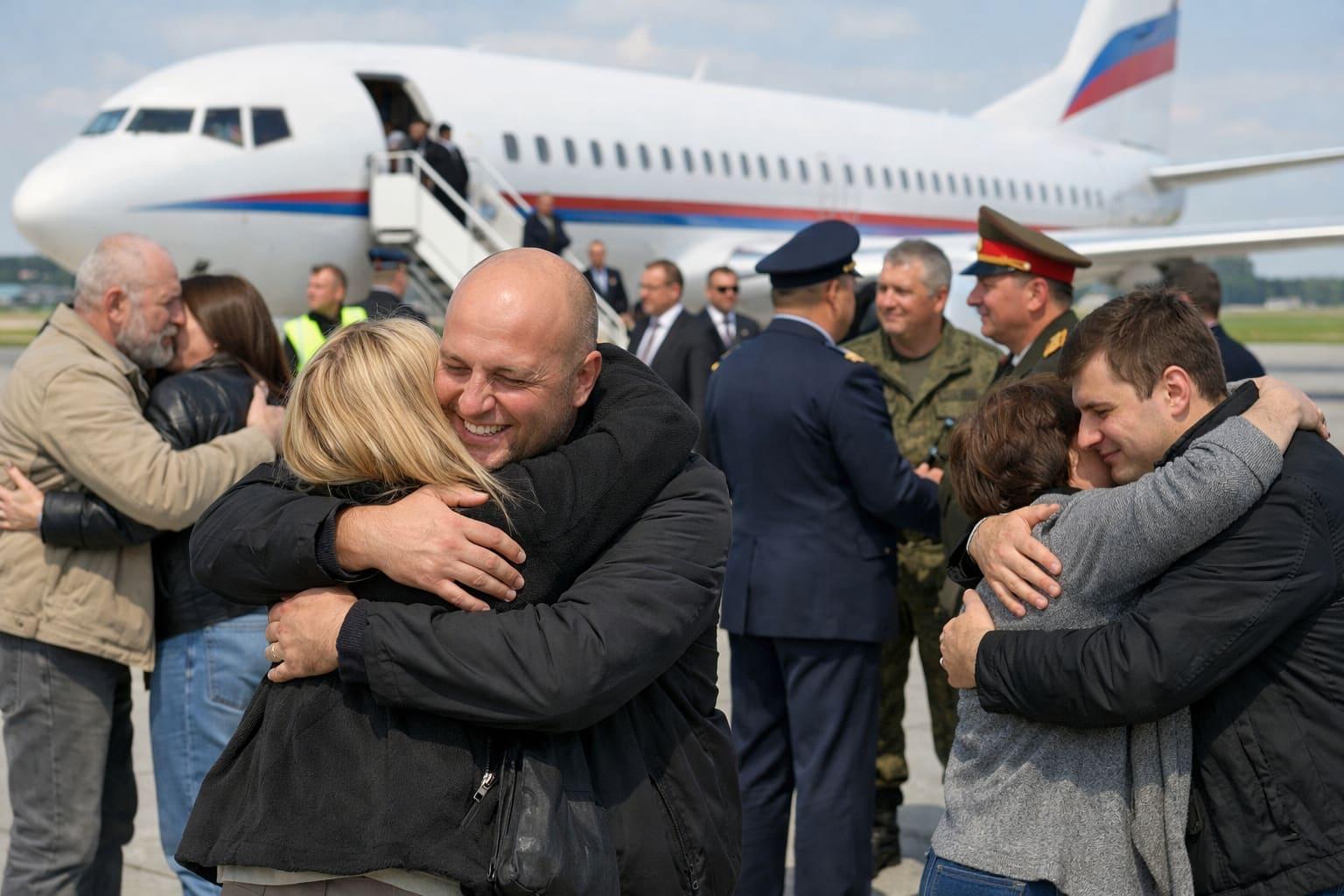
Prisoner Swap Between Belarus, Poland and Other Nations Frees 10
A recent prisoner swap involving Belarus, Poland, and other nations has successfully freed ten individuals. This diplomatic effort highlights the ongoing negotiations and cooperation among these countries. Such exchanges can foster better relations and pave the way for future dialogues.
The story
On April 28, 2026, a significant prisoner swap took place involving Belarus, Poland, and several other nations, resulting in the release of ten individuals. This operation was the culmination of extensive negotiations that spanned several months, reflecting a shift towards more collaborative diplomatic efforts in Eastern Europe. The individuals exchanged included political prisoners and those accused of various offenses, highlighting the complexities of the legal and political landscapes in the region. The negotiations were facilitated by intermediaries from international organizations, which played a crucial role in bridging the gaps between the involved parties. This swap is seen as a positive step in fostering dialogue and understanding among the involved countries, particularly in light of the historically strained relations between Belarus and Poland. The event was marked by a sense of cautious optimism, as officials from both nations expressed hope that this exchange could pave the way for further discussions on broader issues, including trade and security. The successful execution of the swap was celebrated by families of the released individuals, who had long awaited their return. This event not only underscores the importance of diplomatic negotiations but also serves as a reminder of the human stories behind such political maneuvers. The atmosphere surrounding the swap was one of relief and hope, as it demonstrated that even in a region marked by tension, there is potential for reconciliation and cooperation. The involvement of multiple nations in the negotiations indicates a growing recognition of the need for collaborative approaches to resolving conflicts in Eastern Europe, setting a precedent for future diplomatic efforts.
Why it matters
This prisoner exchange is a crucial development in international diplomacy, showcasing how negotiations can lead to tangible outcomes. It highlights the potential for cooperation even in complex geopolitical landscapes, where mistrust and historical grievances often dominate interactions. The successful completion of this swap not only reflects a willingness to engage in dialogue but also serves as a model for other nations facing similar challenges. Such actions can help build trust and open channels for future discussions, which are essential for long-term peace. The implications of this event extend beyond the immediate release of prisoners; it signals a potential thaw in relations between Belarus and Poland, two countries that have experienced significant political friction in recent years. By demonstrating that diplomatic efforts can yield positive results, this exchange may encourage other nations to pursue similar paths, fostering a more collaborative international environment. Furthermore, the successful negotiation of this swap could inspire confidence in the efficacy of diplomacy as a tool for conflict resolution, reinforcing the idea that dialogue is preferable to confrontation in addressing international disputes.
Evidence and context
The prisoner swap is part of a broader trend of increasing diplomatic engagement in Eastern Europe, where nations are seeking to resolve conflicts through dialogue rather than confrontation. This shift is particularly relevant given the historical context of strained relations in the region, which has been marked by a legacy of political tensions, territorial disputes, and differing ideologies. The recent swap reflects a growing recognition among Eastern European countries that cooperation is essential for stability and prosperity. As countries navigate complex geopolitical dynamics, such exchanges can serve as a foundation for building lasting peace and cooperation. The involvement of international organizations in facilitating the negotiations underscores the importance of external actors in promoting dialogue and understanding. This trend towards diplomacy is also influenced by changing global dynamics, where nations are increasingly aware of the interconnectedness of their challenges. The successful prisoner swap may inspire similar initiatives in other regions facing conflict, demonstrating that even deeply entrenched disputes can be addressed through negotiation. As Eastern European nations continue to engage in dialogue, the potential for collaborative solutions to pressing issues, such as economic development and security threats, becomes more attainable. The broader implications of this shift could lead to a more stable and cooperative regional environment, ultimately benefiting not only the countries involved but also their neighbors and the international community at large.
Limits and unknowns
Historically, prisoner swaps have been used as tools for diplomacy, often signaling a thaw in relations between conflicting parties. In Eastern Europe, the legacy of political tensions has made such exchanges rare but significant. The region has a complex history marked by wars, territorial disputes, and ideological divides, which have often hindered diplomatic efforts. The recent event reflects a potential shift towards more constructive engagement among nations that have previously been at odds. The practice of exchanging prisoners can be traced back to various conflicts throughout history, where it served as a means to restore goodwill and foster dialogue. In the context of Eastern Europe, where the scars of past conflicts remain, such exchanges carry profound symbolic weight. They not only represent a pragmatic approach to resolving immediate issues but also signal a willingness to move beyond historical grievances. This recent prisoner swap may be viewed as a pivotal moment in the ongoing evolution of diplomatic relations in the region, suggesting that nations are beginning to prioritize dialogue over discord.
What happens next
Observers should monitor the reactions from the involved nations following this swap, as it may influence future diplomatic initiatives. The responses from both Belarus and Poland, as well as the reactions of their respective allies, will be crucial in determining the trajectory of future negotiations. Additionally, the impact of this event on regional stability and cooperation will be crucial to watch in the coming months. Future exchanges could signal a trend towards more collaborative international relations, and the success of this swap may encourage other nations to consider similar diplomatic efforts. Analysts will also be looking for any shifts in public opinion regarding diplomatic engagement, as the success of this exchange could lead to increased support for government initiatives aimed at fostering dialogue. Furthermore, the role of international organizations in facilitating future negotiations will be an important aspect to observe, as their involvement may help to ensure that such exchanges become a regular feature of diplomatic relations in Eastern Europe.
Follow the story
Share it, watch the explainer, or continue with the reporting trail.
Story timeline
Prisoner Swap Announcement
The announcement of the successful prisoner swap between Belarus, Poland, and other nations.
Diplomatic Negotiations Begin
Initial discussions between the involved nations regarding the potential for a prisoner exchange.
Previous Tensions
Heightened tensions in Eastern Europe leading to calls for diplomatic resolutions.
Further reading on this topic
4 links
Prisoner Swap Between Belarus, Poland and Other Nations Frees 10
A short visual explainer for readers who want the story in a different rhythm.