Israel and Lebanon agree to 10-day ceasefire, Trump says in social media post
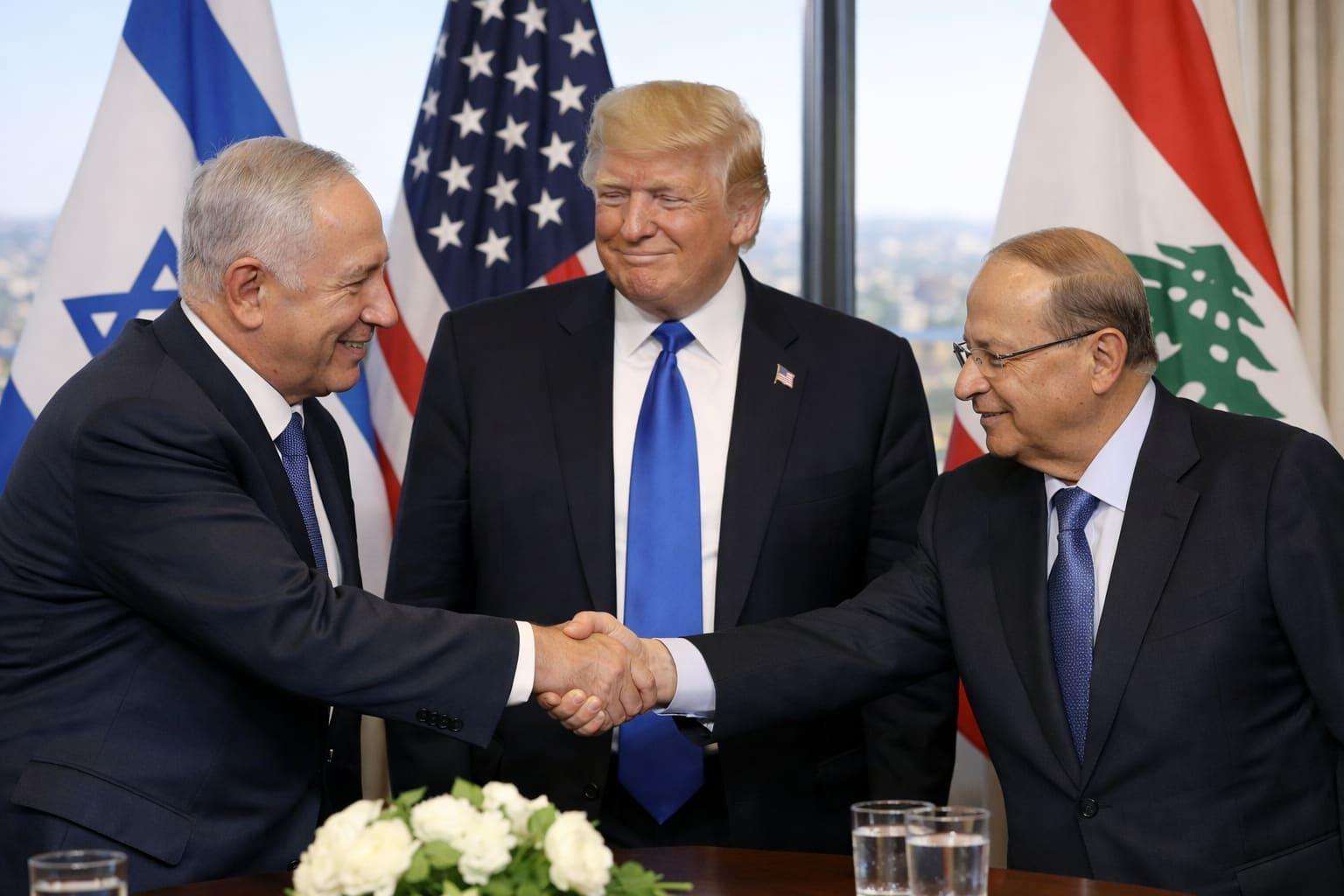
Israel and Lebanon have reached a historic agreement for a 10-day ceasefire, as announced by U.S. President Donald Trump. This marks a significant diplomatic breakthrough, with the two nations engaging in direct talks for the first time in over 30 years. The ceasefire is set to begin at 5 P.M. EST, aiming to foster peace between the countries.
At a glance
Location and topic
Region
Israel
Tag cluster
Trend count
+3 related briefs
What happened
On April 16, 2026, U.S. President Donald Trump announced a historic agreement between Israel and Lebanon for a 10-day ceasefire, following direct discussions with Israeli Prime Minister Benjamin Netanyahu and Lebanese President Joseph Aoun. This announcement marks a significant diplomatic breakthrough, as it represents the first direct communication between the two nations in over 30 years. The ceasefire is set to commence at 5 P.M. EST, with both leaders expressing a commitment to achieving peace between their countries. The announcement has been met with cautious optimism from the international community, as the region has experienced prolonged conflict and instability. The ceasefire aims to halt hostilities and create an environment conducive to further dialogue. Observers are hopeful that this initial step could lead to more comprehensive peace negotiations in the future. The ceasefire comes amid a backdrop of escalating tensions in the region, with both nations having a long history of conflict, including the 2006 Lebanon War and ongoing skirmishes along their border. The agreement is seen as a potential turning point, as it not only halts immediate violence but also opens the door for future discussions on broader issues, including territorial disputes and security arrangements. The international community, including the United Nations and various NGOs, has expressed support for the ceasefire, emphasizing the need for sustained dialogue to address the underlying causes of conflict. The ceasefire is expected to provide a temporary respite for civilians affected by the violence, allowing humanitarian aid to reach those in need and fostering a sense of hope for a more peaceful future. As the ceasefire takes effect, both nations will be under scrutiny to ensure compliance and to gauge the potential for lasting peace.
Why this matters
The ceasefire is significant as it represents a potential turning point in Israeli-Lebanese relations, which have been fraught with tension for decades. It underscores the importance of diplomatic engagement in resolving conflicts and fostering stability in the region. The international community's support for this agreement could enhance its effectiveness and encourage further peace initiatives. The ceasefire not only aims to reduce immediate violence but also serves as a foundation for future negotiations that could address long-standing grievances and territorial disputes. The involvement of the U.S. in facilitating this dialogue highlights the role of external powers in promoting peace and stability in the Middle East. Furthermore, the ceasefire could serve as a model for resolving other conflicts in the region, demonstrating that dialogue and negotiation can lead to tangible results. The potential for improved relations between Israel and Lebanon could also have a ripple effect on other neighboring countries, fostering a more cooperative regional environment. As both nations navigate this new phase, the international community will be watching closely to see if this ceasefire can lead to a more comprehensive peace process.
What changed
The agreement for a ceasefire signifies a shift in the dynamics of Israeli-Lebanese relations, moving from hostility towards a willingness to engage in dialogue. This change could lead to a more stable environment in the region, allowing for future negotiations on broader issues. The direct communication between the leaders also indicates a potential thawing of relations that could have lasting effects. Historically, both nations have been entrenched in a cycle of conflict, with little room for diplomatic engagement. The ceasefire represents a departure from this pattern, suggesting that both sides may be recognizing the need for dialogue to address their differences. The ceasefire also opens the door for humanitarian efforts, allowing aid to reach those affected by the ongoing violence. This shift in approach could pave the way for more comprehensive discussions on security, trade, and cooperation in various sectors. As the ceasefire unfolds, it will be crucial to monitor how both governments respond to this new opportunity for dialogue and whether they can build on this initial agreement to foster a more peaceful coexistence.
Bigger picture
The ceasefire between Israel and Lebanon is part of a broader context of shifting geopolitical alliances and the quest for peace in the Middle East. As regional tensions continue to rise, this agreement could serve as a model for resolving other conflicts in the area. The involvement of the U.S. in facilitating this dialogue highlights the role of external powers in promoting peace and stability. The ceasefire comes at a time when the Middle East is grappling with various challenges, including the ongoing Syrian civil war, tensions with Iran, and the Israeli-Palestinian conflict. The potential for improved relations between Israel and Lebanon could have implications for these other conflicts, as it may encourage neighboring countries to pursue similar diplomatic avenues. Additionally, the ceasefire could impact the balance of power in the region, as both nations may seek to strengthen their positions through cooperation rather than conflict. Observers will be watching closely to see if this ceasefire leads to sustained dialogue and further agreements. The success of this initiative could depend on the willingness of both governments to engage in meaningful discussions and address the underlying issues that have fueled their long-standing animosity. The international community's role in supporting this process will also be critical, as external actors can provide the necessary resources and diplomatic pressure to ensure compliance and foster a lasting peace.
Looking Towards the Future
In the coming days, it will be crucial to monitor the implementation of the ceasefire and any subsequent discussions between Israeli and Lebanese leaders. Observers should also pay attention to reactions from regional and international stakeholders, as their support could influence the success of this initiative. Additionally, any developments in the broader geopolitical landscape may impact the longevity of this ceasefire. Key indicators to watch include the level of compliance from both sides, the flow of humanitarian aid into affected areas, and any statements from influential regional players such as Iran and Saudi Arabia. The response from the United Nations and other international organizations will also be significant, as they may play a role in facilitating further dialogue and ensuring that the ceasefire holds. As the situation evolves, the potential for additional agreements or negotiations on broader issues will be of particular interest, as they could shape the future of Israeli-Lebanese relations and contribute to a more stable Middle East.
Story timeline
Ceasefire Agreement Announced
U.S. President Trump announces a 10-day ceasefire between Israel and Lebanon.
First Direct Talks in 30 Years
Israeli and Lebanese leaders engage in direct communication for the first time in over three decades.
Ceasefire Start Time
The ceasefire is set to begin at 5 P.M. EST.
Sources behind this brief
3 total
Euronews RSS
Original article detailing the ceasefire announcement.
Al Jazeera RSS
Coverage of the ceasefire agreement.
DW All RSS
Report on the ceasefire announcement and its implications.
Further reading on this topic
3 links
Context zone
Israel
Context zone
Israel
On this map
Israel and Lebanon agree to 10-day ceasefire, Trump says in social media post
Israel
Israel and Lebanon hold direct talks for first time in decades
Israel
Israel and Lebanon have initiated direct talks for the first time in decades, focusing on the security of both nations. This significant development marks a potential shift in relations, with ongoing negotiations expected to follow. U.S. Secretary of State Marco Rubio has described this meeting as a 'milestone' in the peace process.
Israel and Lebanon hold first direct talks since 1993
Israel
Israel and Lebanon have engaged in their first direct diplomatic talks in over three decades, mediated by US Secretary of State Marco Rubio. The discussions aim to address the ongoing conflict involving Hezbollah and seek a ceasefire amid a humanitarian crisis in Lebanon. Both sides have expressed a desire to reduce Hezbollah's influence in the region.