Twin NASA control rooms support Artemis safety, success

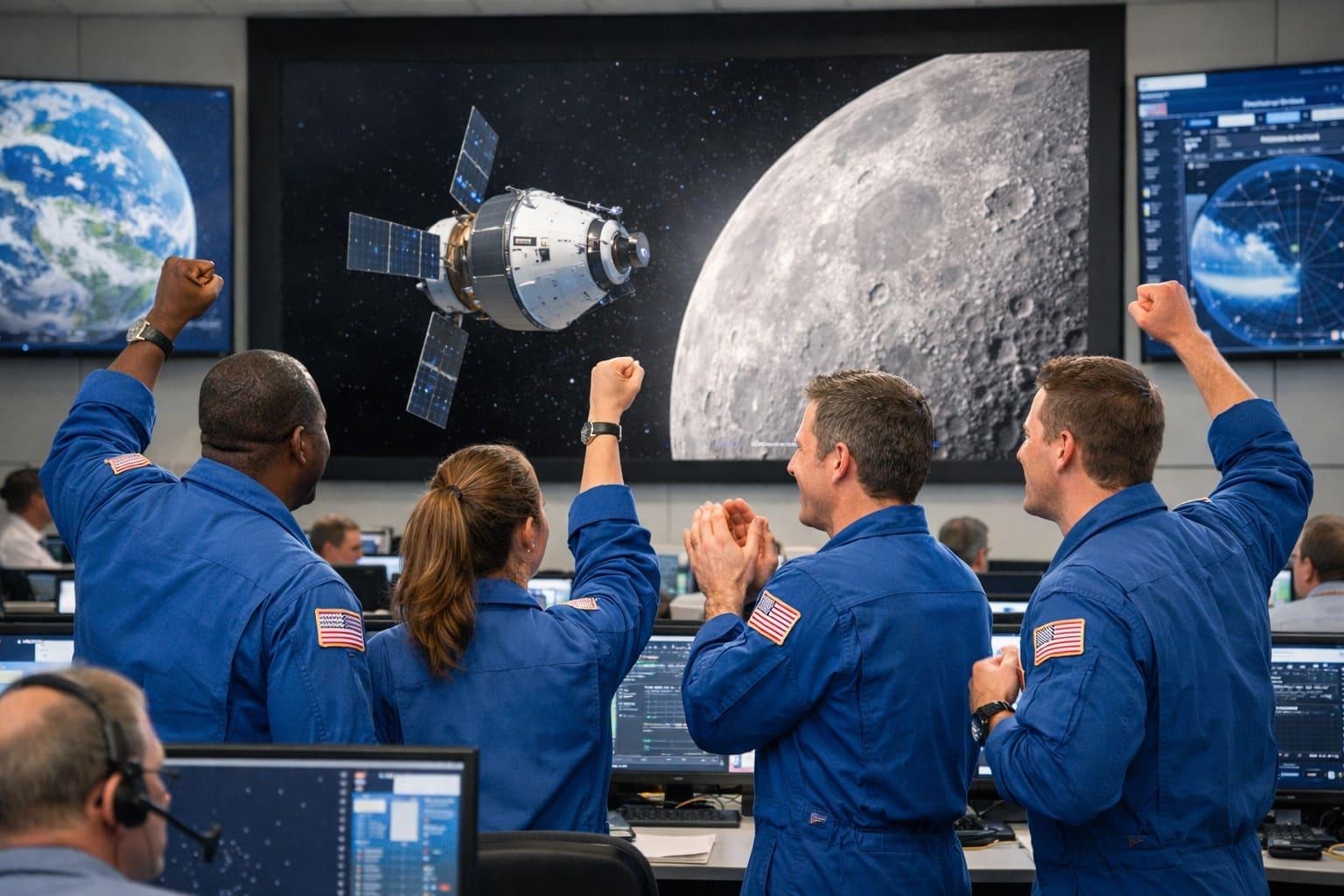
NASA's Marshall Space Flight Center is utilizing twin control rooms, LUCA and LESA, to enhance safety and success for the Artemis II mission. LUCA focuses on scientific operations related to crew health in deep space, while LESA provides engineering support for lunar landings. This innovative setup allows for real-time monitoring and data communication, ensuring mission objectives are met effectively.
Why it's positive
The collaboration between LUCA and LESA showcases NASA's commitment to advancing space exploration and ensuring astronaut safety. This dual approach enhances operational efficiency and scientific understanding.
Why it matters
This initiative is crucial for the success of future lunar missions and the eventual crewed missions to Mars.
Why now
The Artemis II mission is currently underway, making this the perfect time to implement these advanced control systems for real-time support.
Impact analysis
The use of twin control rooms represents a significant advancement in mission operations, allowing for better data management and communication. This setup not only supports current missions but also lays the groundwork for future explorations. The insights gained will be invaluable for upcoming lunar and Mars missions.
Regional map
Where this story sits
On this map
Twin NASA control rooms support Artemis safety, success
Huntsville, United States
Twin NASA Control Rooms Support Artemis Safety, Success
Huntsville, United States
NASA's Marshall Space Flight Center is utilizing twin control rooms, LUCA and LESA, to support the Artemis II mission. These rooms are crucial for monitoring astronaut safety and mission operations as the crew prepares for their return to Earth. LUCA focuses on science operations while LESA provides engineering support for lunar landings, showcasing NASA's commitment to advancing space exploration.
Artemis II crew will endure 3,000°C on re‑entry. A hypersonics expert explains how they will survive
United States
The Artemis II crew is set to return to Earth after a historic mission, facing extreme conditions during re-entry. The Orion capsule will encounter temperatures exceeding 10,000°C, but advanced technology ensures the astronauts' safety. Their journey marks a significant achievement in human space exploration, as they have traveled further from Earth than any previous crew. The mission showcases NASA's commitment to innovation and safety in space travel.
Artemis II Mission Breaks Distance Record
United States
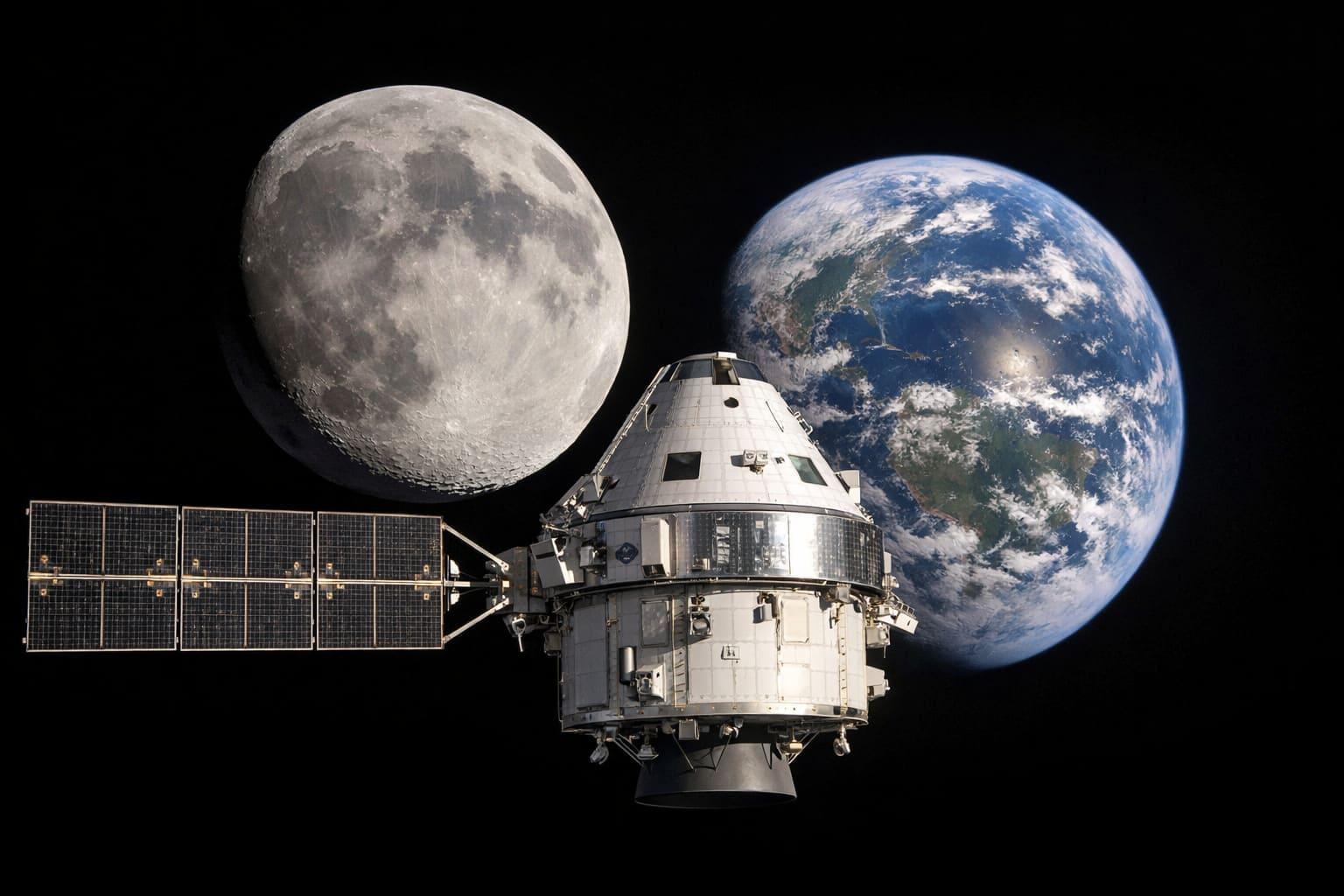
The Artemis II mission has successfully captured stunning images of the Orion spacecraft during its lunar flyby, showcasing a beautiful alignment of the Moon and Earth. This mission marks a significant achievement as it surpasses the distance record previously held by Apollo 13, reaching 406,772 km from Earth. The European Service Module plays a crucial role in powering the spacecraft and ensuring its successful journey.
Bitten by snakes 200 times – on purpose: US man’s quest to help deliver new antivenom
United States
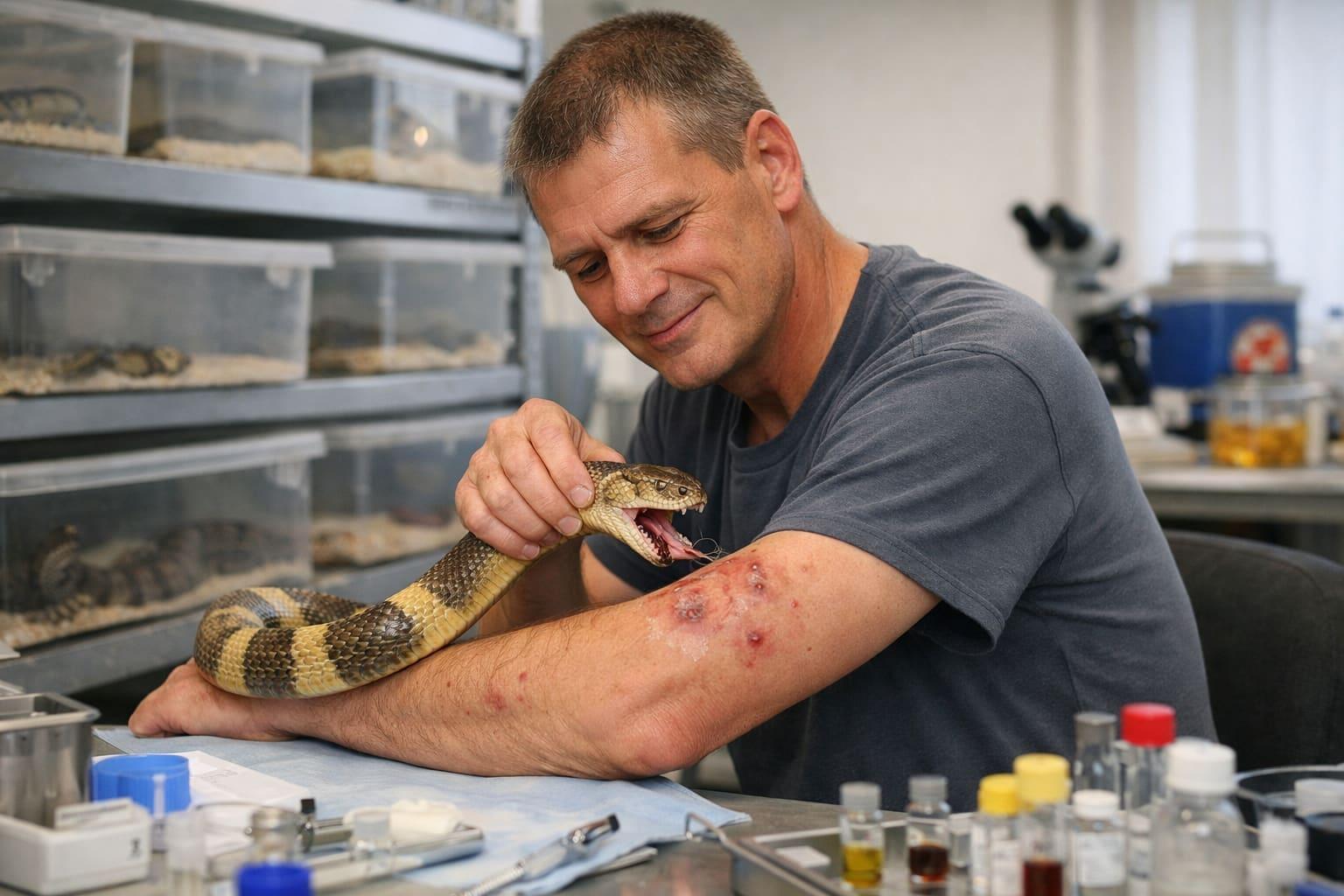
Tim Friede, a Wisconsin man, has intentionally subjected himself to 200 snakebites over nearly 20 years to develop immunity that could lead to a universal antivenom. His efforts aim to combat the rising number of snakebite fatalities, particularly in developing countries, as climate change increases human-snake encounters. Friede's work with Centivax could significantly reduce the 138,000 annual snakebite deaths worldwide.
Artemis crew returning to Earth with 'all the good stuff' from Moon discoveries
United States
The Artemis II crew is set to return to Earth after a historic mission around the Moon, bringing back valuable data and experiences. The astronauts expressed excitement about sharing their discoveries, including stunning visuals and personal stories from their journey. This mission marks a significant milestone in human space exploration, as the crew traveled further from Earth than any humans before.
Buried bounty: Caribou survival depends on lichen and snow
United States
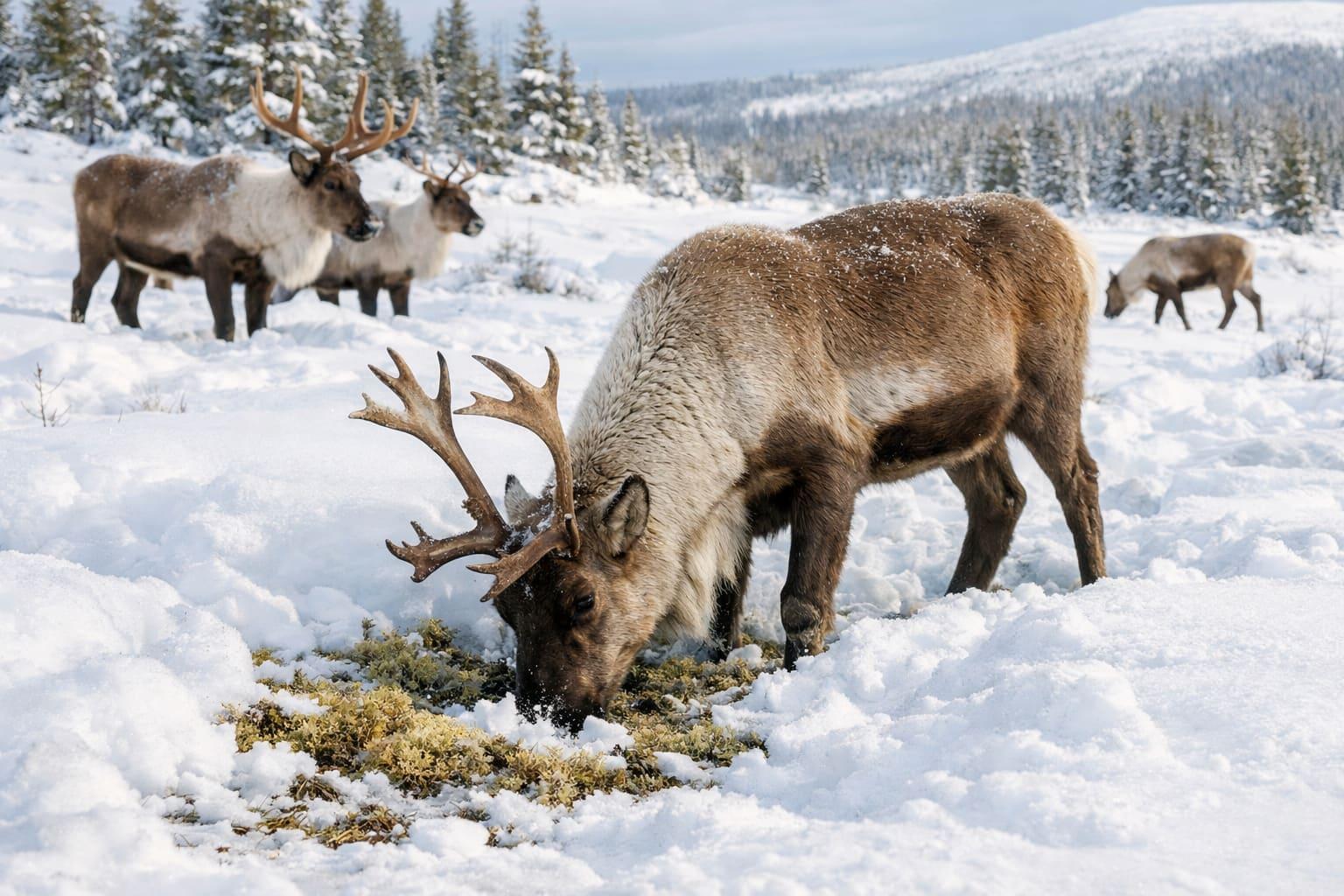
A study from SUNY College of Environmental Science and Forestry highlights the critical role of lichen and snow depth in caribou winter survival. Researchers found that caribou in areas with abundant lichen are significantly more likely to survive harsh winters, but deep snow can hinder their access to this vital food source. As climate conditions evolve, understanding these dynamics is essential for caribou conservation.