Today’s the Day! Artemis II Crew Ready for Lunar Flyby
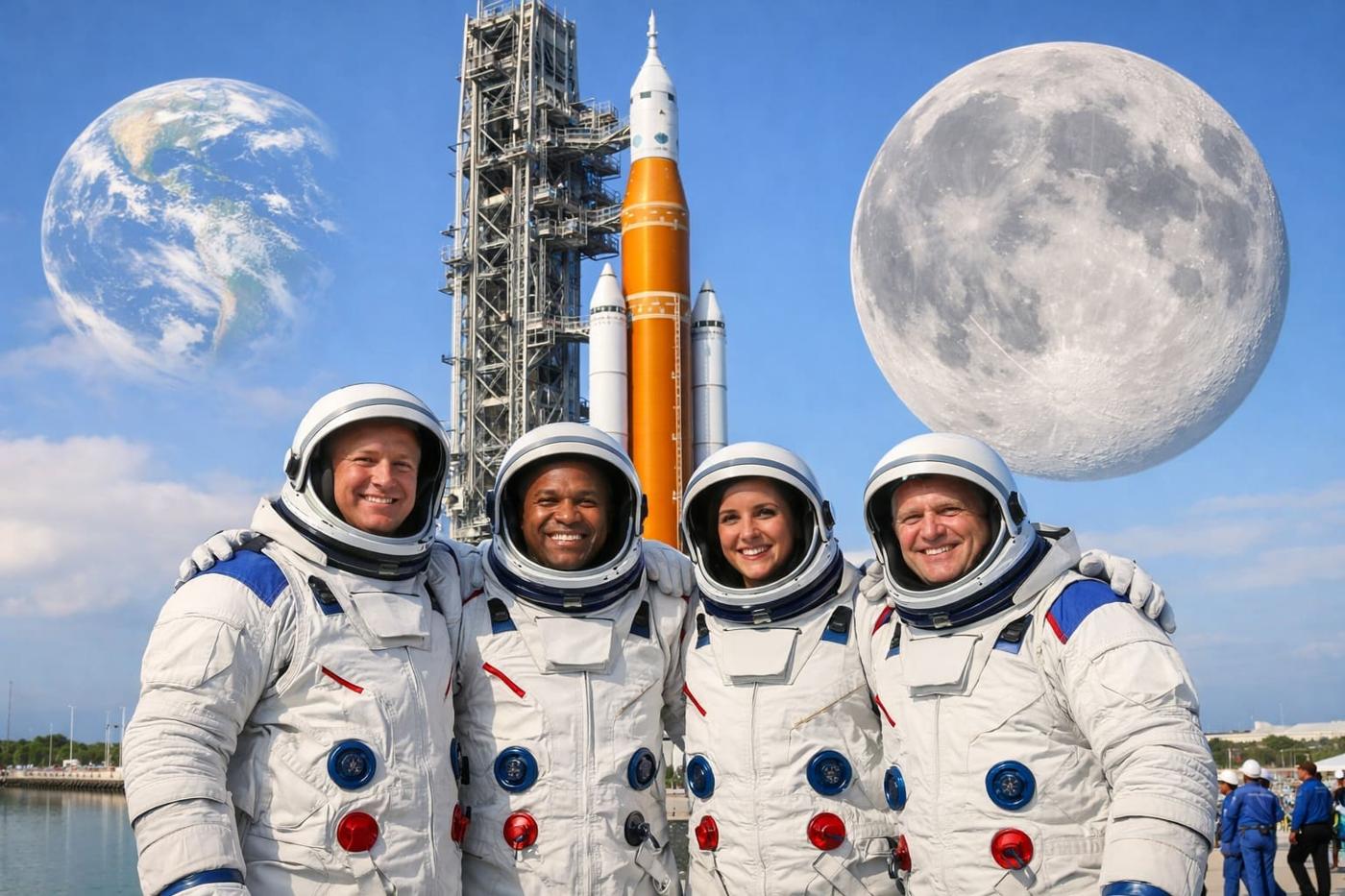
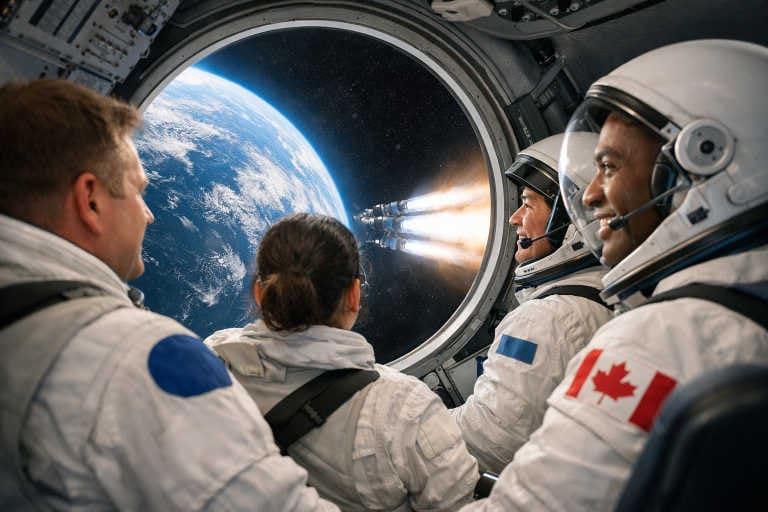
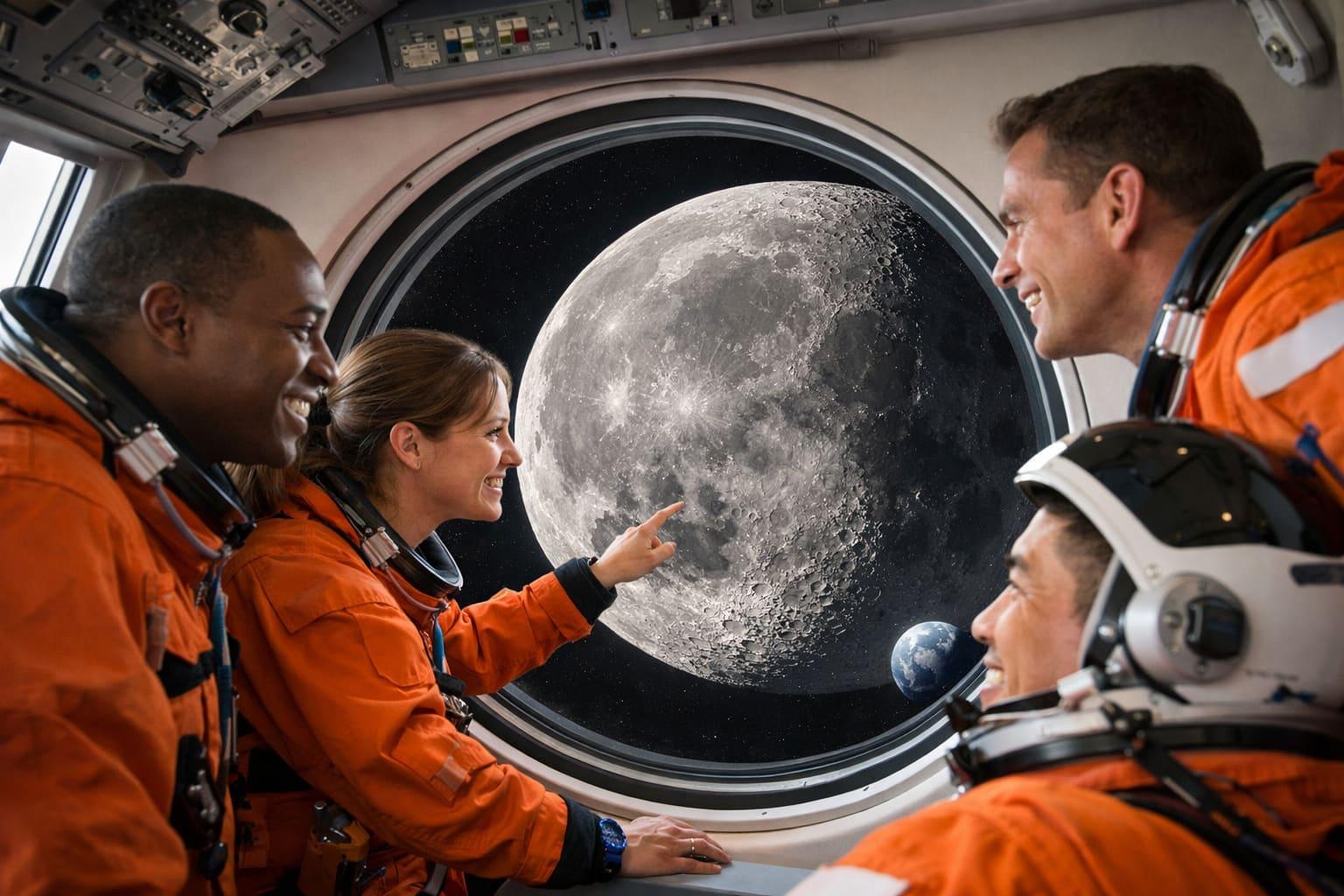
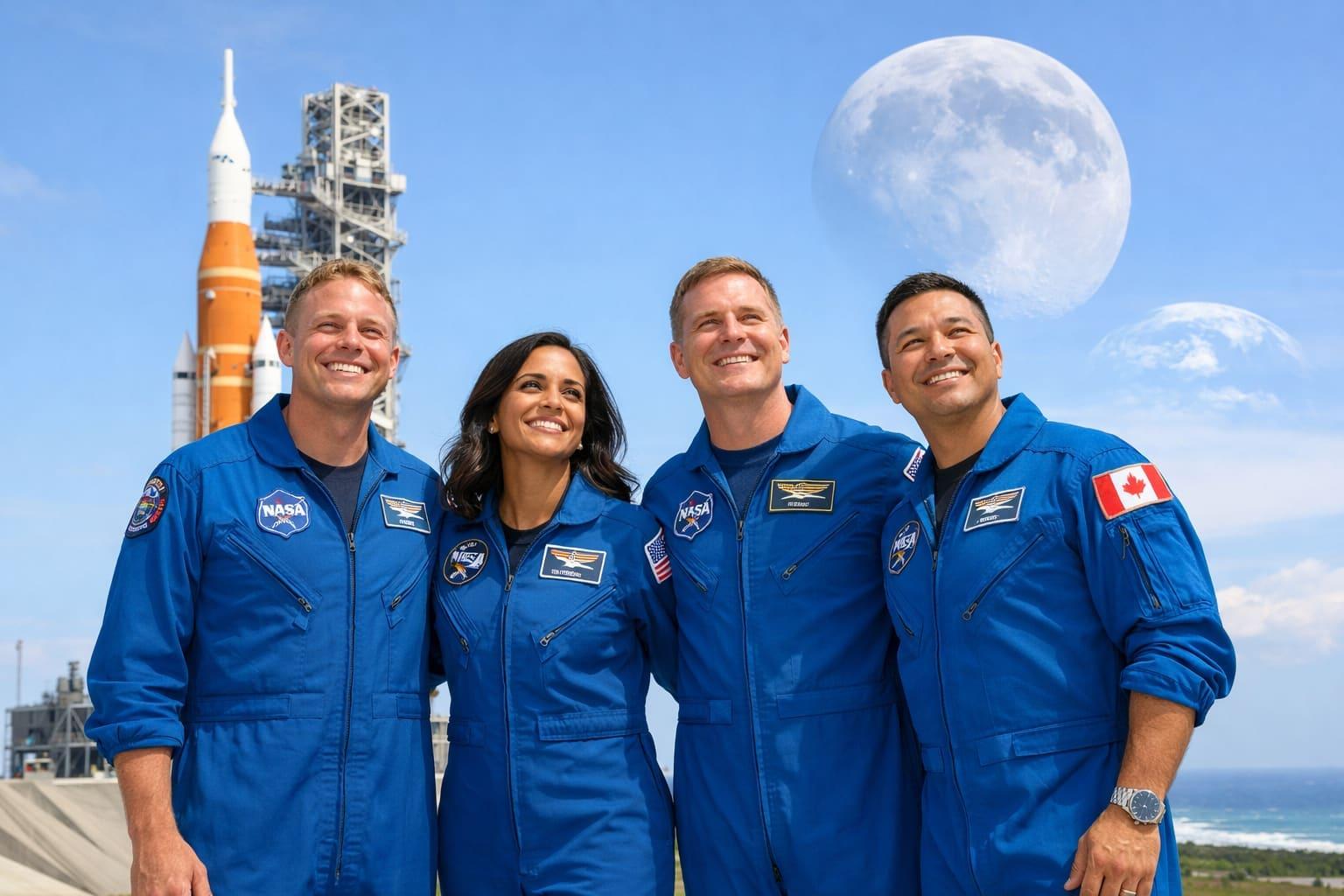
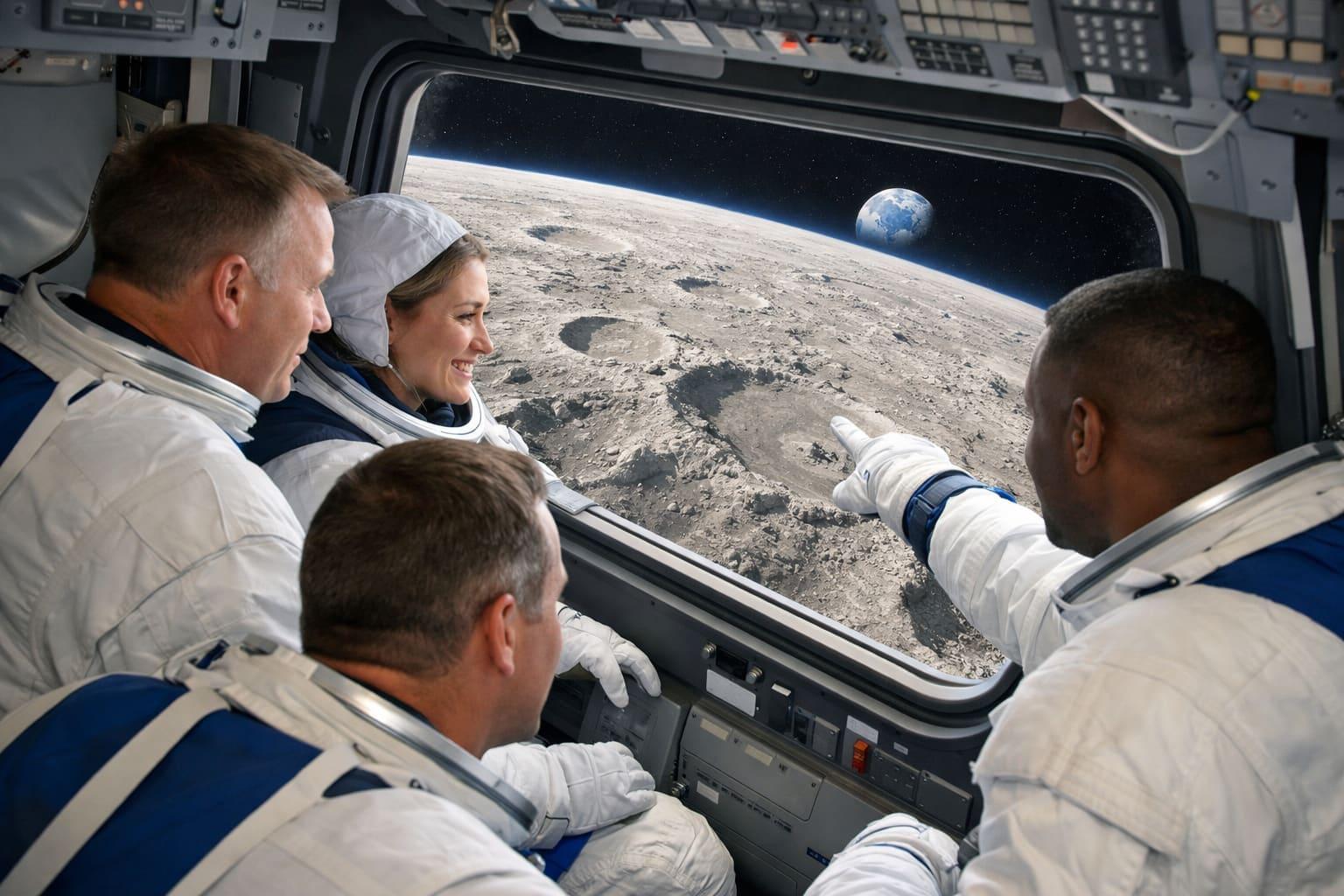
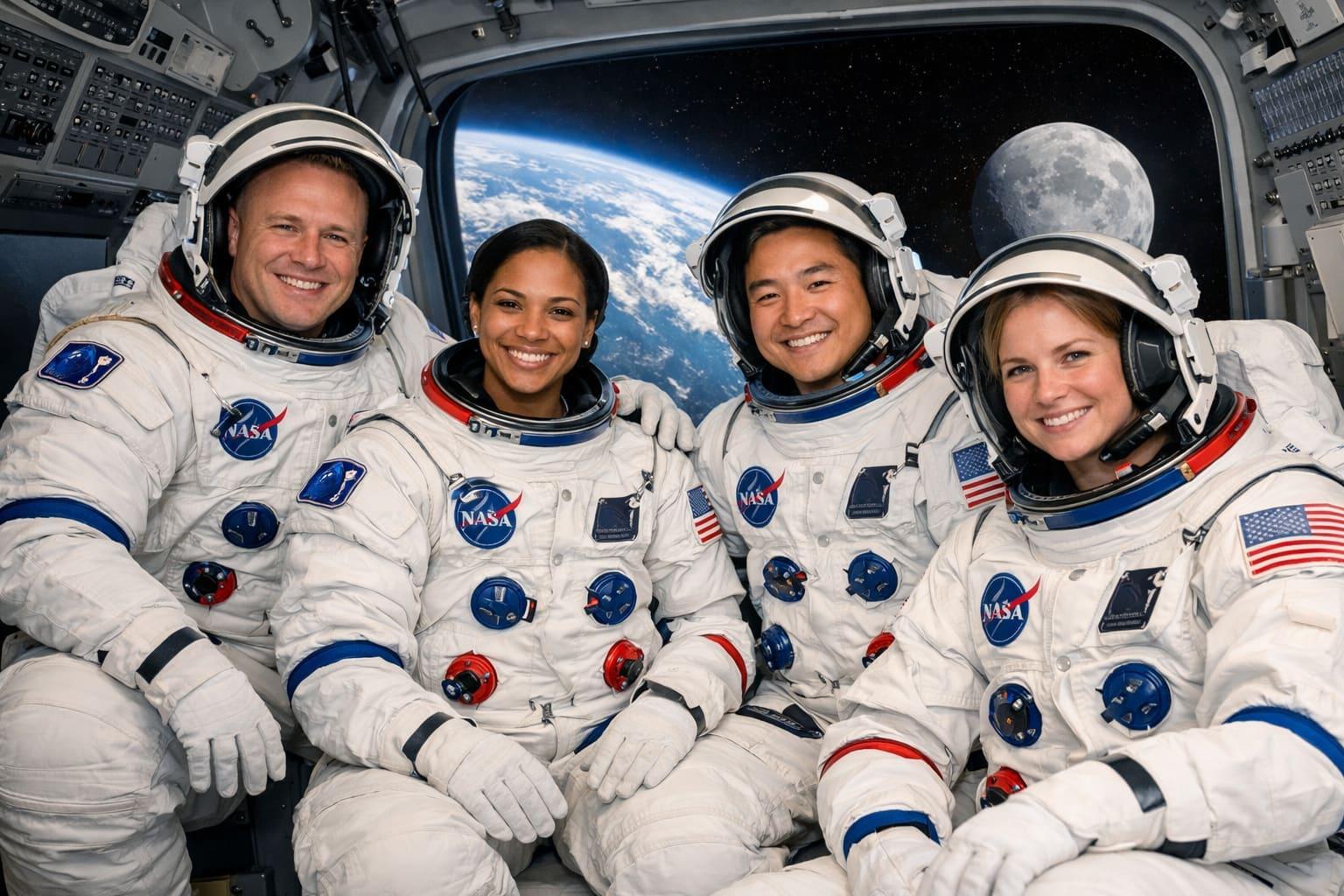
The Artemis II mission marks a historic moment as four astronauts prepare to fly around the Moon for the first time since 1972. This mission will set a new record for the furthest distance traveled from Earth, allowing the crew to conduct scientific observations of the lunar surface. With NASA providing extensive live coverage, this event is a significant step in human space exploration.
Why it's positive
The Artemis II mission showcases human ingenuity and the spirit of exploration, inspiring future generations. It highlights advancements in space technology and international collaboration.
Why it matters
This mission represents a pivotal moment in space exploration, pushing the boundaries of human capability.
Why now
The Artemis II mission is happening now as part of NASA's broader goal to return humans to the Moon and eventually to Mars, reflecting a renewed global interest in space exploration.
Impact analysis
The successful completion of Artemis II will enhance our understanding of the Moon and pave the way for future lunar missions. It also serves to unite global audiences in the excitement of space exploration. The mission's achievements could lead to increased funding and support for future space initiatives.
Regional map
Where this story sits
On this map
Today’s the Day! Artemis II Crew Ready for Lunar Flyby
United States
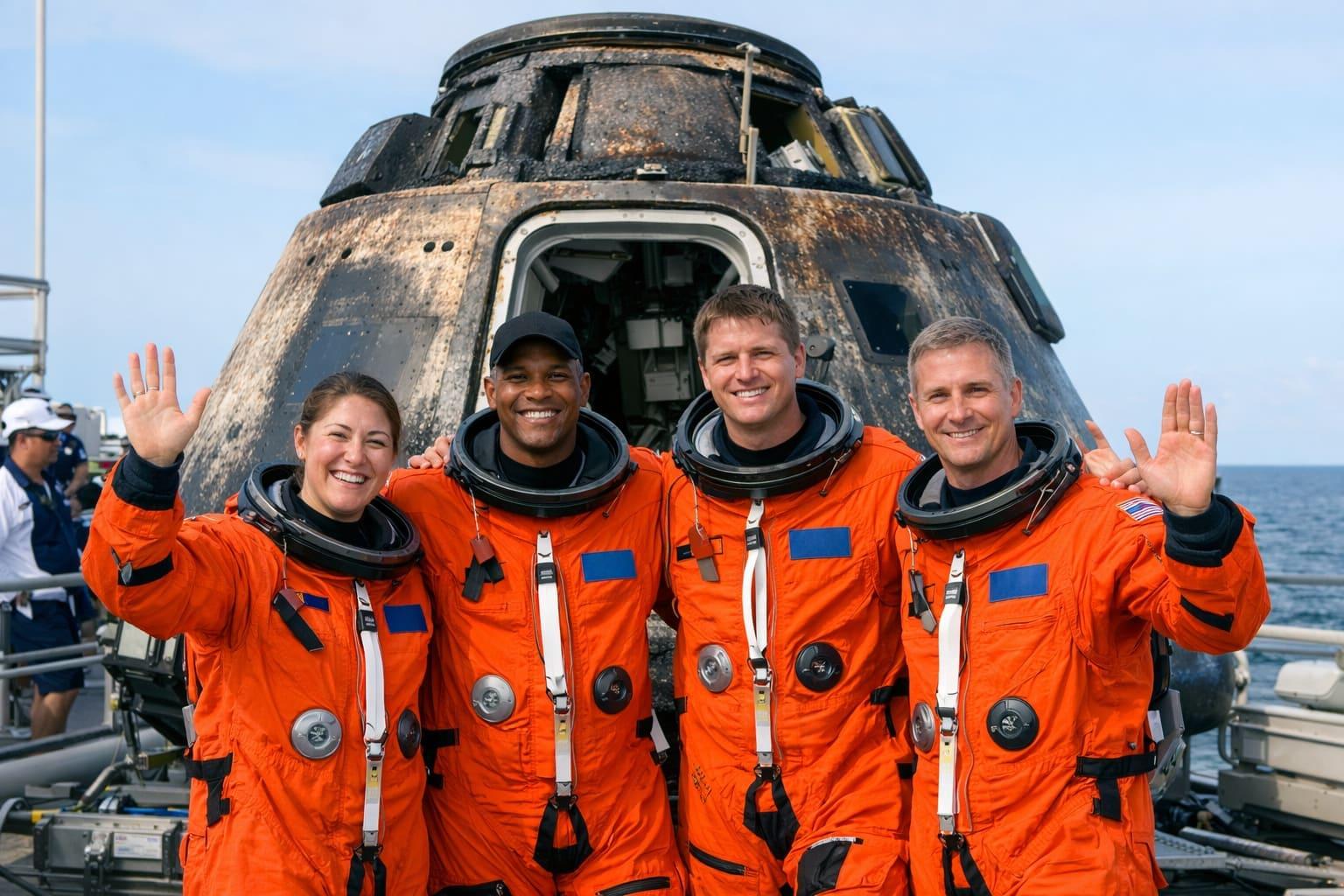
Artemis II astronauts set to splash down back on Earth
United States
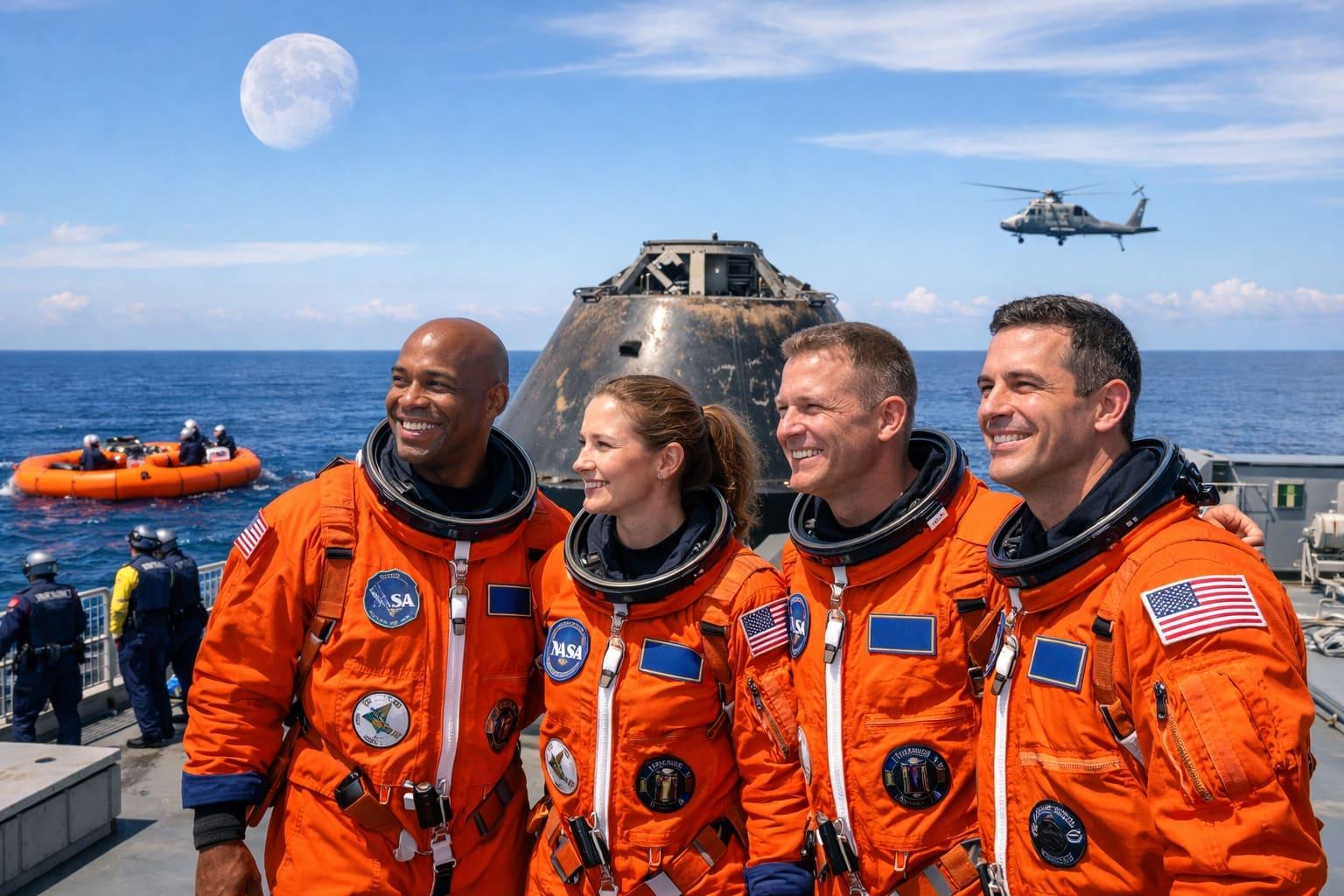
The Artemis II astronauts are preparing for their splashdown in the Pacific Ocean after a successful lunar flyby. This mission marks a significant milestone as it is the first crewed mission to the Moon since 1972, and the crew's safe return will pave the way for future lunar explorations. The mission has garnered attention for breaking records and showcasing NASA's capabilities in human spaceflight.
AI diffusion models tailor drug molecules to custom-fit protein targets, speeding drug development and evaluation
United States
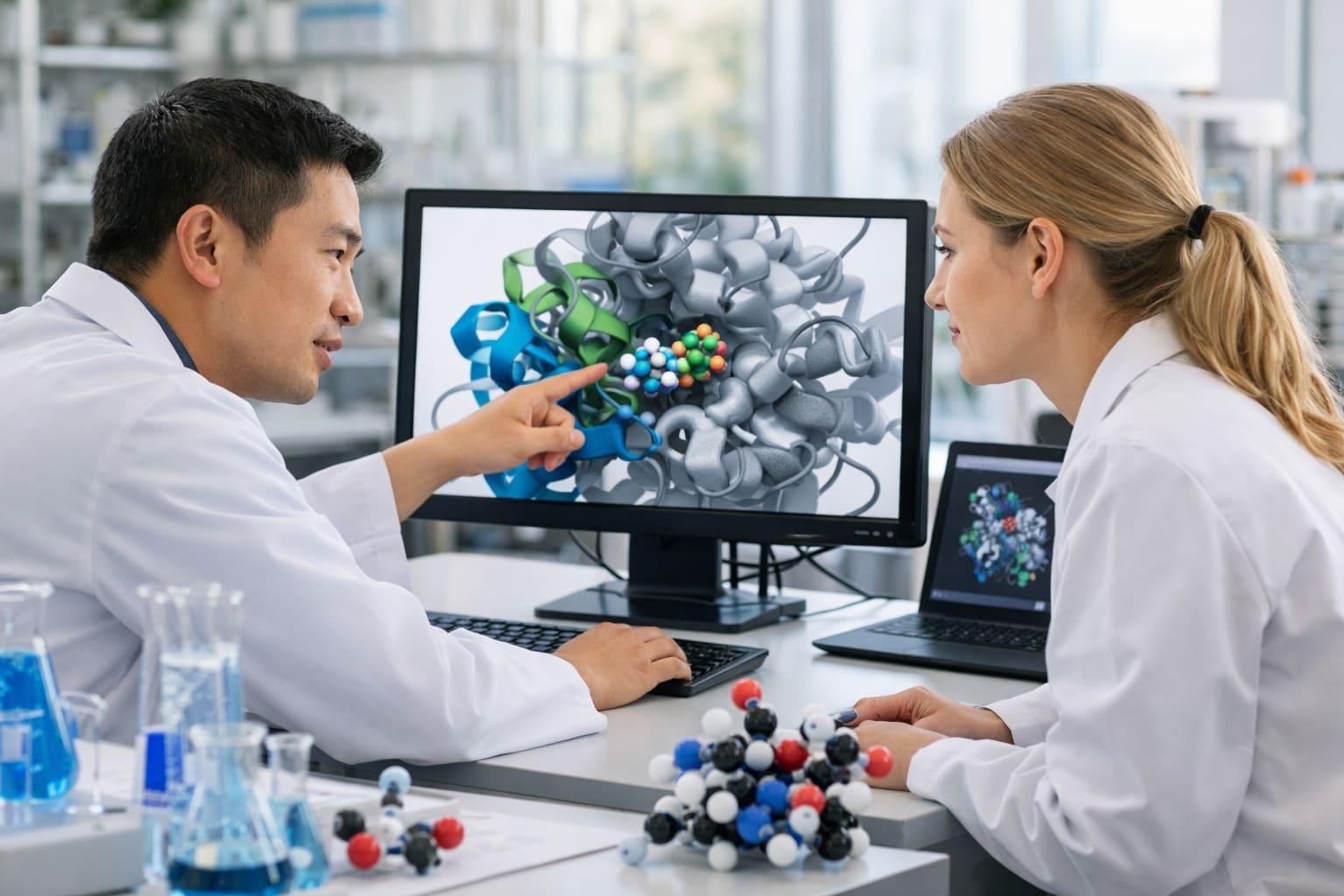
Researchers at the University of Virginia have developed innovative AI tools that enhance drug development by creating molecules that fit protein targets more accurately. These tools, YuelDesign, YuelPocket, and YuelBond, utilize advanced diffusion models to account for the dynamic nature of proteins, potentially reducing costs and increasing the success rate of new drugs. This breakthrough could significantly impact the treatment of various diseases, including cancer and neurological disorders.
Artemis II astronauts describe their lunar voyage as surreal and profound ahead of Earth return
United States
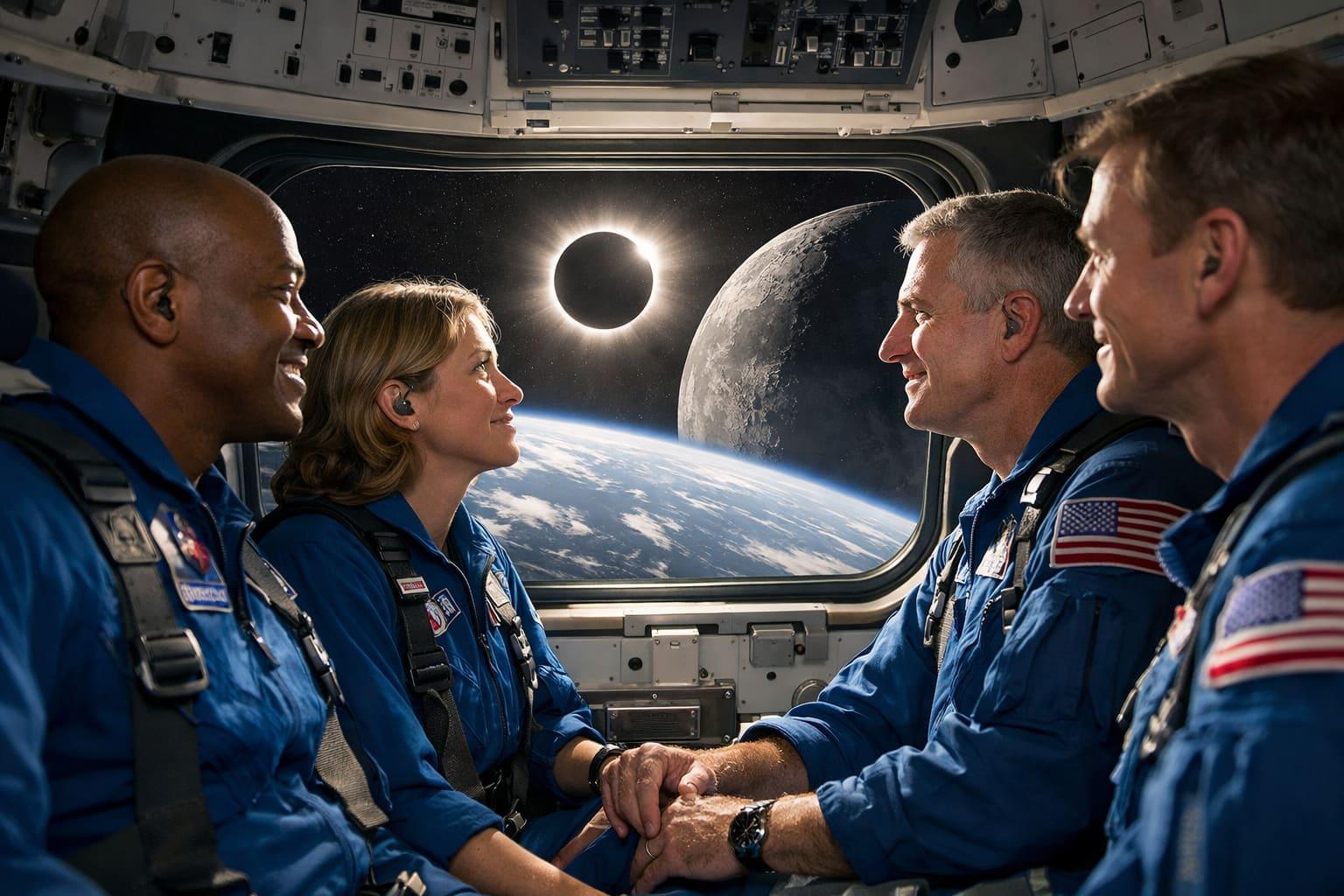
The Artemis II astronauts are nearing their return to Earth after a historic lunar flyby, reflecting on their profound experiences during the mission. They described their journey as surreal, especially the moments spent behind the moon and witnessing a total solar eclipse. As they prepare for reentry, the focus is on the performance of the Orion capsule's heat shield, which is crucial for a safe landing. This mission marks a significant step in NASA's ongoing lunar exploration efforts, paving the way for future missions.
Artemis II crew will endure 3,000°C on re‑entry. A hypersonics expert explains how they will survive
United States
The Artemis II crew is set to return to Earth after a historic mission, facing extreme conditions during re-entry. The Orion capsule will encounter temperatures exceeding 10,000°C, but advanced technology ensures the astronauts' safety. Their journey marks a significant achievement in human space exploration, as they have traveled further from Earth than any previous crew. The mission showcases NASA's commitment to innovation and safety in space travel.
Artemis II Mission Breaks Distance Record
United States
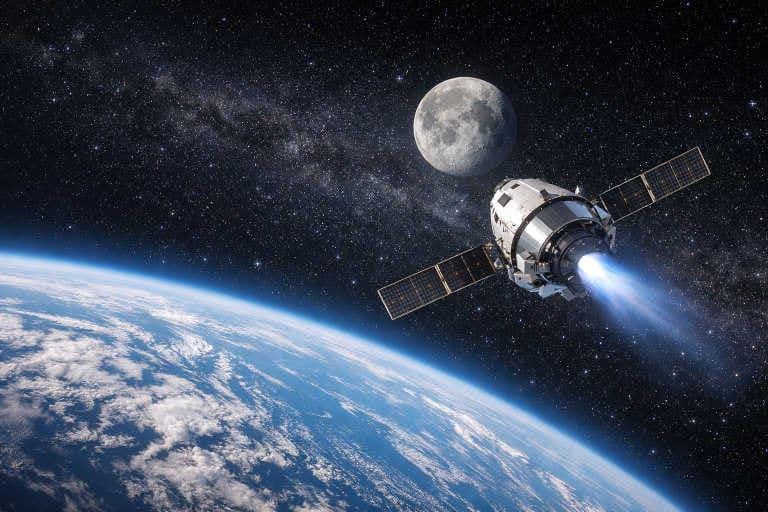
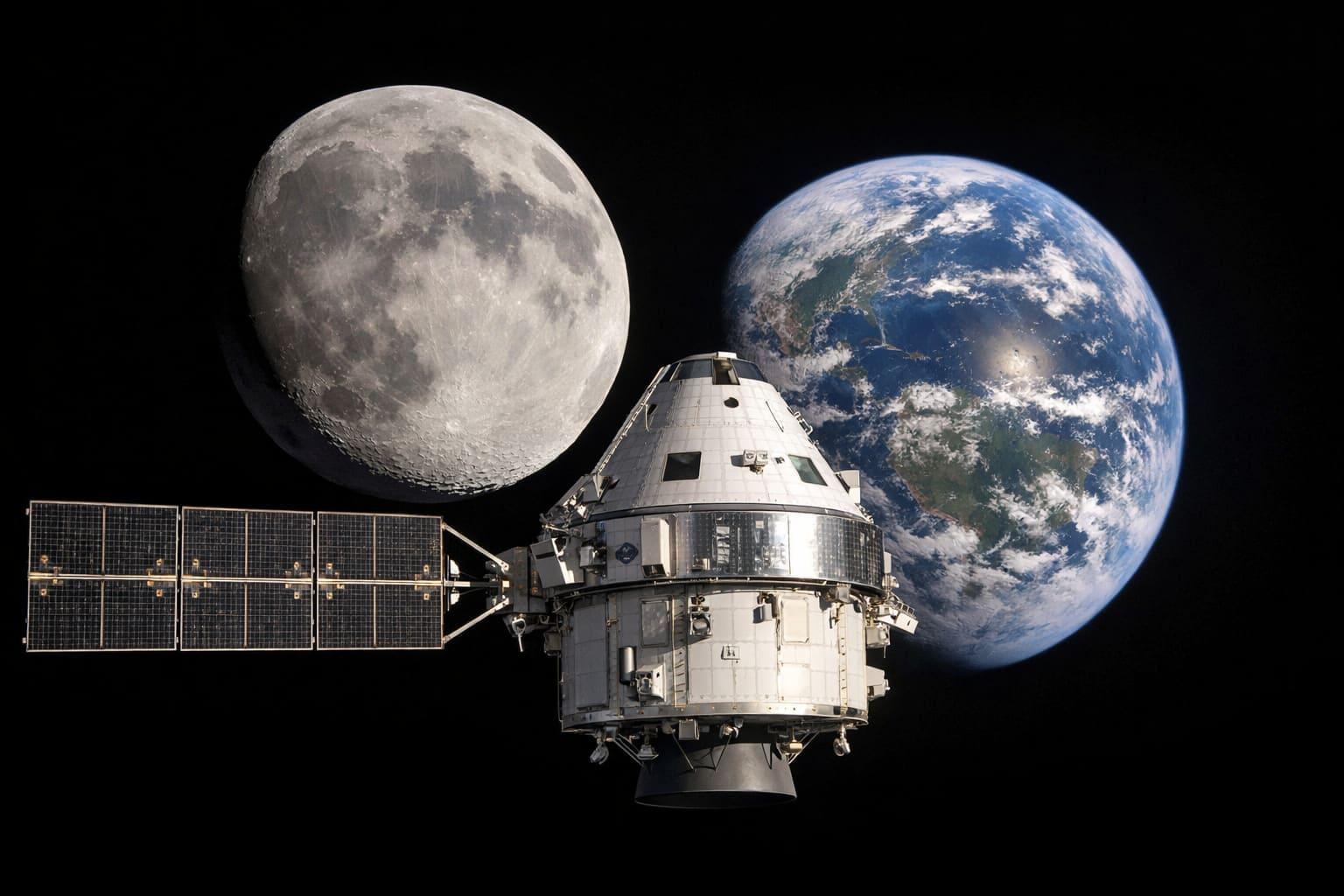
The Artemis II mission has successfully captured stunning images of the Orion spacecraft during its lunar flyby, showcasing a beautiful alignment of the Moon and Earth. This mission marks a significant achievement as it surpasses the distance record previously held by Apollo 13, reaching 406,772 km from Earth. The European Service Module plays a crucial role in powering the spacecraft and ensuring its successful journey.
Twin NASA control rooms support Artemis safety, success
Huntsville, United States
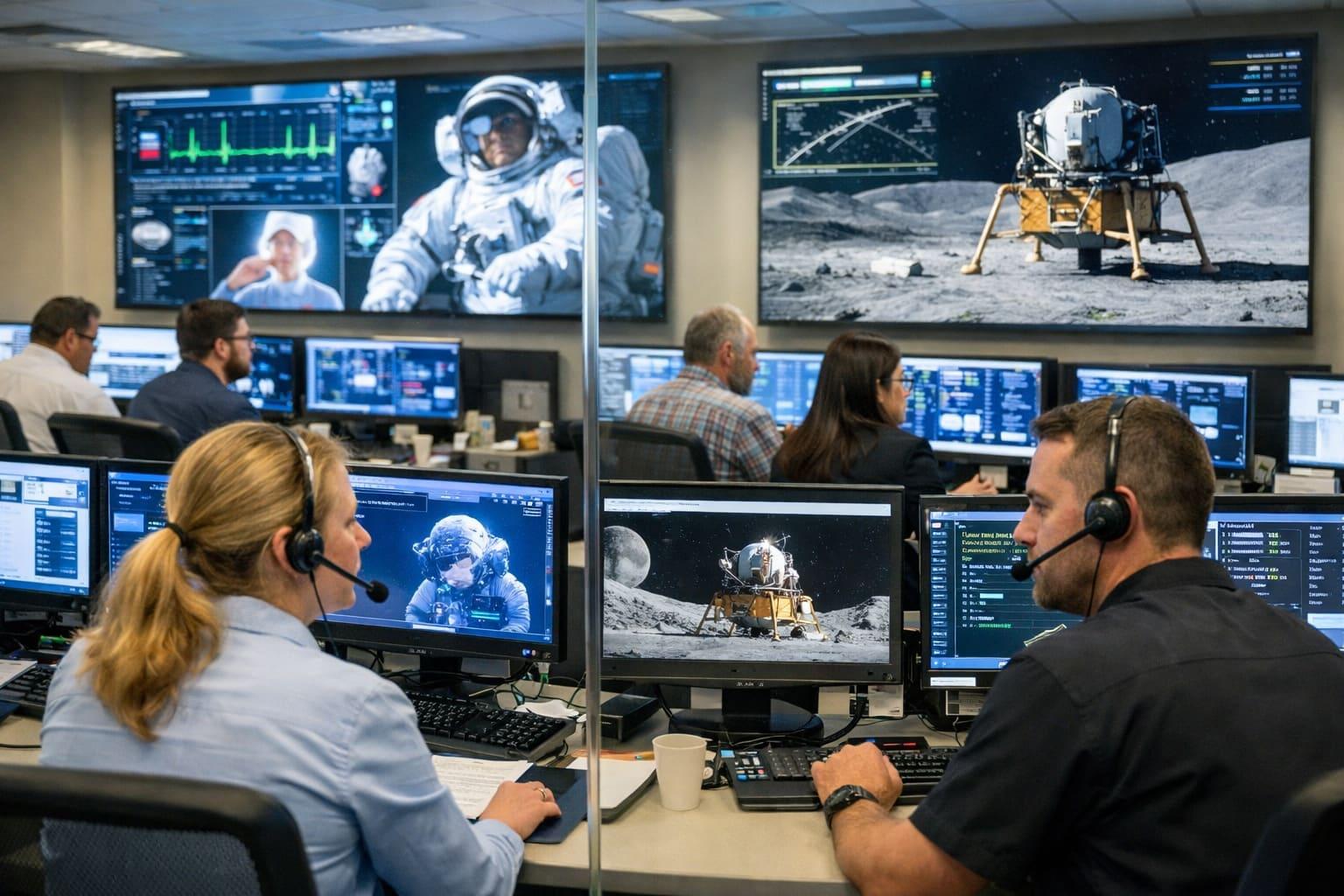
NASA's Marshall Space Flight Center is utilizing twin control rooms, LUCA and LESA, to enhance safety and success for the Artemis II mission. LUCA focuses on scientific operations related to crew health in deep space, while LESA provides engineering support for lunar landings. This innovative setup allows for real-time monitoring and data communication, ensuring mission objectives are met effectively.