Tsunami Warnings Downgraded in Japan After Strong Offshore Earthquake
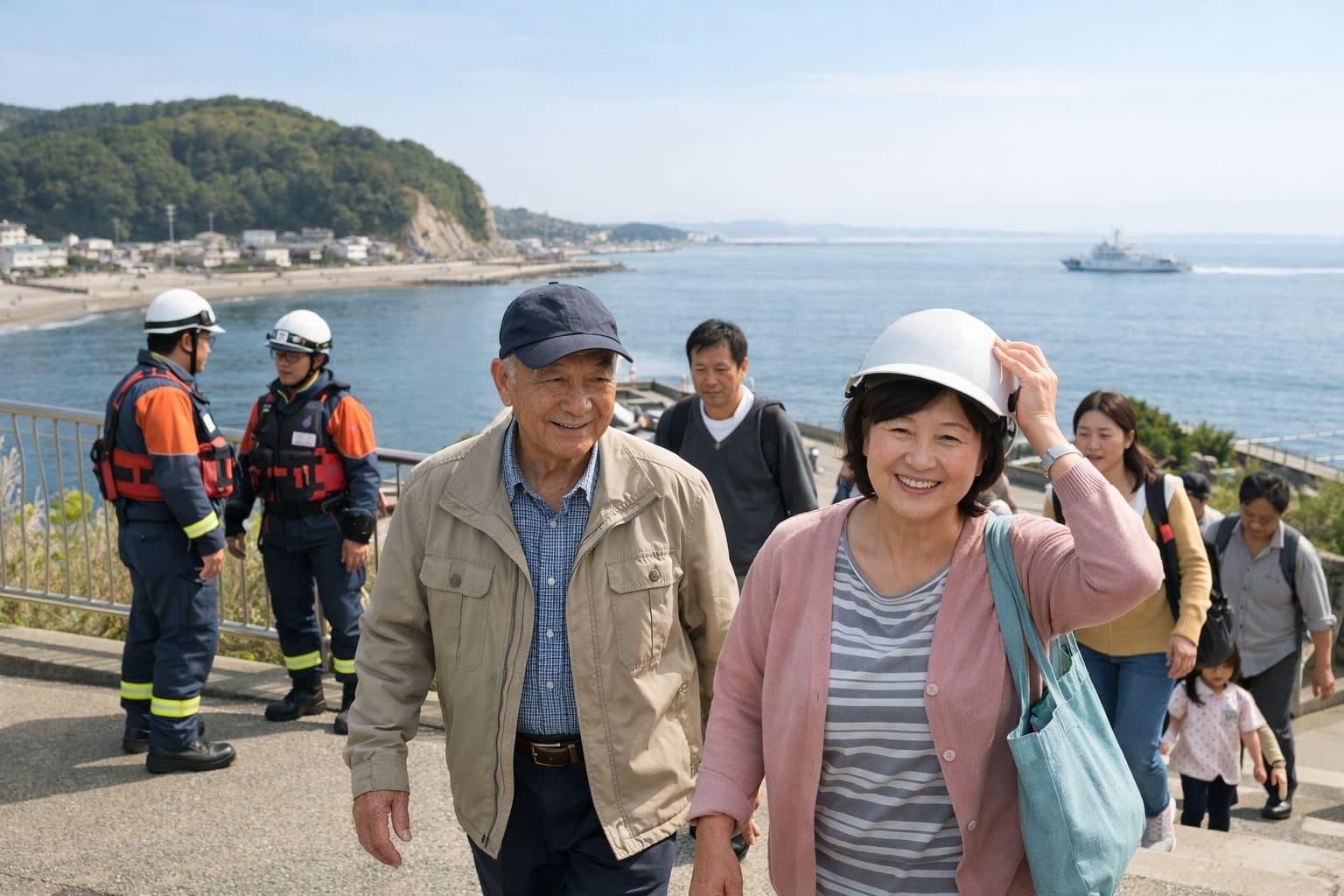
Following a powerful 7.4 magnitude earthquake off the coast of Japan, tsunami warnings have been downgraded, alleviating concerns for coastal communities. The earthquake prompted immediate responses from local authorities, but the situation is now stabilizing. Residents are being encouraged to remain vigilant while normalcy returns.
At a glance
Location and topic
Region
Japan
Tag cluster
Trend count
+2 related briefs
What happened
On April 20, 2026, a powerful offshore earthquake measuring 7.4 on the Richter scale struck near the eastern coast of Japan, specifically off the coast of Miyagi Prefecture. The earthquake occurred at approximately 8:15 AM local time, prompting immediate tsunami warnings for coastal areas, including cities like Sendai and Ishinomaki. Local authorities quickly mobilized emergency response teams to assess the situation and ensure the safety of residents. Evacuation orders were issued in vulnerable regions, particularly in low-lying coastal areas where the risk of tsunami waves was deemed significant. Fortunately, within a few hours, the Japan Meteorological Agency (JMA) downgraded the tsunami warnings as the threat diminished, allowing communities to breathe a sigh of relief. The earthquake, while significant, did not result in major damage or casualties, largely due to Japan's stringent building codes and disaster preparedness measures that have been developed over decades. Local governments and emergency services worked efficiently to monitor the situation, communicate updates to the public, and provide support to those affected. As a result, the downgrading of warnings allowed residents to gradually return to their daily routines, albeit with an increased awareness of potential risks associated with living in a seismically active region. The event served as a reminder of the importance of preparedness and the effectiveness of Japan's disaster response systems, which have been honed through years of experience with natural disasters.
Why this matters
This incident underscores the effectiveness of Japan's disaster response systems, which are critical in minimizing the impact of natural disasters. The swift action taken by authorities not only ensured public safety but also reinforced community resilience. Japan's experience with earthquakes has led to the establishment of comprehensive disaster management strategies, including rigorous building codes, public education campaigns, and regular emergency drills. These measures have proven essential in reducing casualties and damage during seismic events. Understanding these dynamics is essential for improving disaster preparedness globally, as many regions around the world face similar risks. The proactive approach taken by Japan serves as a model for other countries, highlighting the importance of investing in disaster readiness and community awareness to mitigate the effects of natural disasters.
What changed
The immediate change following the earthquake was the downgrading of tsunami warnings, which allowed residents to feel safer and return to normal activities. This incident also highlighted the importance of effective communication from authorities during emergencies, ensuring that the public received timely and accurate information. The JMA's quick response in assessing the tsunami threat and issuing updates played a crucial role in alleviating public anxiety. Additionally, the event prompted local governments to review their emergency protocols and communication strategies, aiming to enhance their readiness for future incidents. The experience gained from this earthquake will likely influence future disaster preparedness initiatives, emphasizing the need for continuous improvement in response strategies and community engagement. As residents reflect on the event, there is a renewed focus on personal preparedness, with many individuals considering how they can better equip themselves and their families for potential future emergencies.
Bigger picture
Japan's experience with earthquakes and tsunamis has shaped its comprehensive disaster management strategies. The country is located on the Pacific Ring of Fire, an area known for its high seismic activity, which has historically subjected it to numerous devastating earthquakes and tsunamis. In response to these threats, Japan has developed advanced disaster preparedness and response systems over the years. The proactive approach includes rigorous building codes designed to withstand seismic forces, public education initiatives that inform citizens about disaster preparedness, and regular emergency drills that ensure readiness among communities. This recent earthquake serves as a reminder of the ongoing need for vigilance and preparedness in the face of natural threats, not just in Japan but globally, as many regions are susceptible to similar risks. The lessons learned from Japan's experiences can be invaluable for other countries, particularly those in earthquake-prone areas. As climate change continues to exacerbate natural disasters worldwide, the importance of robust disaster management systems becomes even more critical. The global community can benefit from studying Japan's strategies and adapting them to local contexts, fostering a culture of preparedness that can save lives and reduce economic losses in the event of future disasters.
History
Japan has a long history of seismic activity, being located on the Pacific Ring of Fire, which is characterized by frequent earthquakes and volcanic eruptions. The country has faced numerous devastating earthquakes and tsunamis, including the Great Kanto Earthquake in 1923 and the Tōhoku earthquake and tsunami in 2011, which resulted in significant loss of life and widespread destruction. These catastrophic events have led to the development of advanced disaster preparedness and response systems in Japan. Over the years, Japan has learned from past experiences, implementing measures that have significantly improved safety and resilience against natural disasters. The establishment of the Japan Meteorological Agency in 1956 marked a significant step in monitoring seismic activity and issuing timely warnings. The integration of technology, such as early warning systems and public alert mechanisms, has further enhanced the country's ability to respond effectively to earthquakes and tsunamis. This historical context underscores the importance of continuous improvement in disaster management practices, as Japan remains vigilant in the face of ongoing seismic threats.
Looking Towards the Future
In the aftermath of this earthquake, it will be important to monitor any aftershocks and the ongoing assessments by geological agencies, particularly the Japan Meteorological Agency. Observing how local communities adapt and implement lessons learned from this event will provide insights into improving disaster preparedness in the future. Additionally, attention should be given to any changes in public policy regarding disaster management and infrastructure development, as local governments may seek to enhance their resilience against future seismic events. The effectiveness of communication strategies employed during this incident will also be a focal point, as authorities evaluate their response and consider improvements for future emergencies. Engaging the public in discussions about personal preparedness and community resilience will be crucial in fostering a culture of safety and awareness in earthquake-prone regions.
Story timeline
Earthquake Occurs
A 7.4 magnitude earthquake strikes off the coast of Japan.
Tsunami Warnings Issued
Immediate tsunami warnings are issued for coastal areas following the earthquake.
Warnings Downgraded
Tsunami warnings are downgraded as the threat diminishes.
Sources behind this brief
2 total
NYT World RSS
PaywalledOriginal article on tsunami warnings in Japan.
Euronews RSS
Corroborating report on the earthquake and tsunami warnings.
Further reading on this topic
4 links
Japan Meteorological Agency
Official source for Japan's meteorological information and tsunami warnings.
United States Geological Survey (USGS)
Provides detailed seismic data and earthquake information.
National Research Institute for Earth Science and Disaster Resilience (NIED)
Offers research and data on earthquake and tsunami preparedness in Japan.
Japan Meteorological Agency Tsunami Information
Specific page for tsunami warnings and advisories issued by JMA.
Context zone
Japan
Context zone
Japan
On this map
Tsunami Warnings Downgraded in Japan After Strong Offshore Earthquake
Japan