Tsunami Warnings Downgraded in Japan After Strong Offshore Earthquake
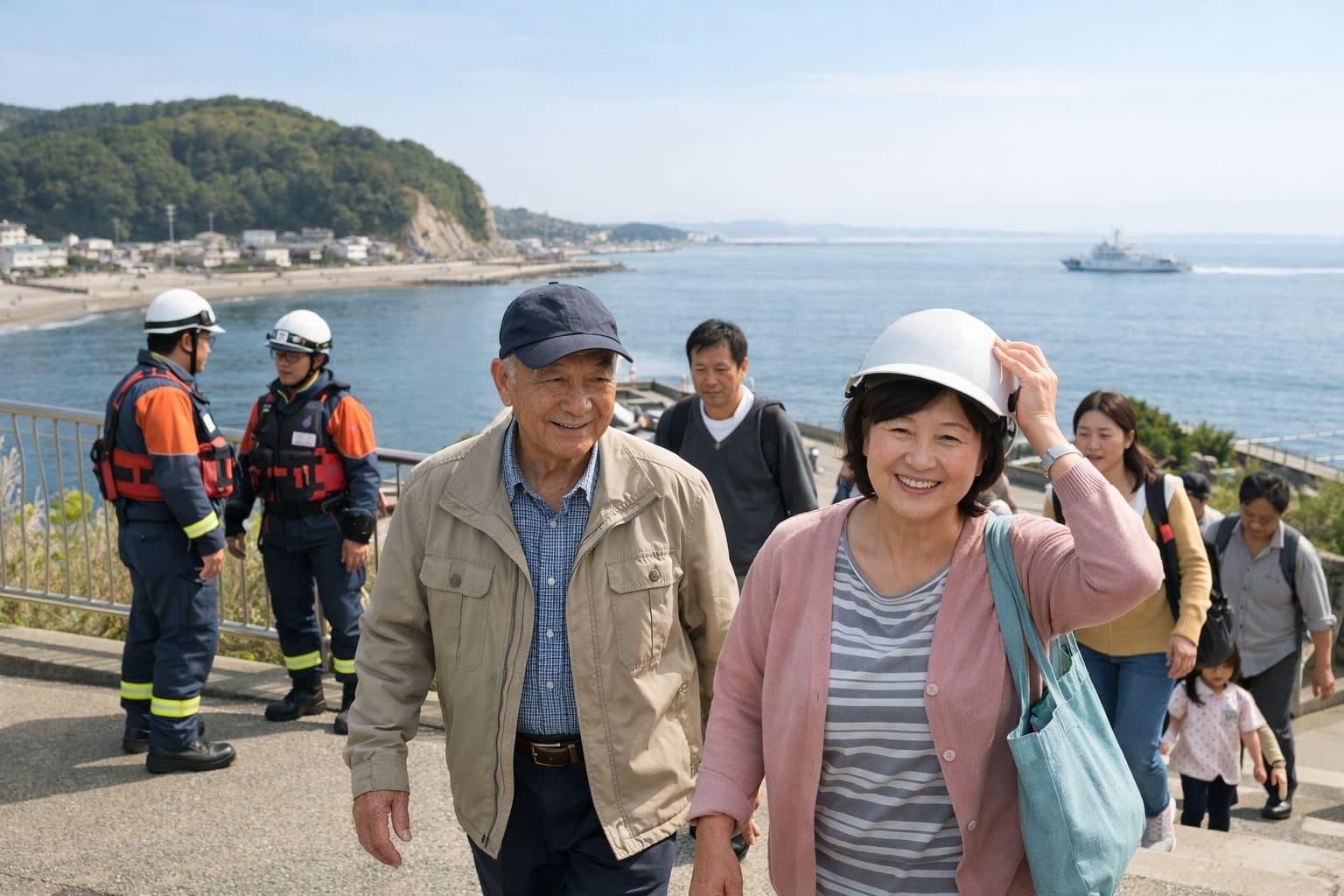
Following a powerful 7.4 magnitude earthquake off the coast of Japan, tsunami warnings have been downgraded, alleviating concerns for coastal communities. The earthquake prompted immediate alerts, but subsequent assessments indicated that the risk of a significant tsunami was minimal. This development brings relief to residents and authorities alike.
At a glance
Location and topic
Region
Japan
Tag cluster
Trend count
+2 related briefs
What happened
On April 20, 2026, a powerful offshore earthquake measuring 7.4 on the Richter scale struck near the eastern coast of Japan, triggering immediate tsunami warnings across several coastal prefectures, including Miyagi and Fukushima. The Japan Meteorological Agency (JMA) acted swiftly, advising residents in vulnerable areas to evacuate to higher ground as a precautionary measure. The earthquake occurred at approximately 8:15 AM local time, with its epicenter located about 50 kilometers off the coast, at a depth of 30 kilometers. Initial reports indicated that the quake was strong enough to cause significant concern among residents and authorities alike. However, as assessments progressed, the JMA downgraded the tsunami warnings within a few hours, indicating that the risk of a significant tsunami had diminished considerably. This decision was based on real-time data and expert analysis, which showed that the earthquake's impact would not result in dangerous tidal waves. Fortunately, the earthquake did not cause major damage or casualties, largely due to Japan's stringent building codes and comprehensive disaster preparedness protocols. Emergency services were on high alert, ready to respond to any potential aftershocks or related incidents. The swift response and effective communication from authorities helped to ensure public safety and maintain order during what could have been a chaotic situation. Residents were able to return to their homes, and normalcy began to resume in the affected areas, thanks to the rapid assessment and management of the situation by local and national agencies.
Why this matters
This incident highlights the critical importance of Japan's advanced disaster response systems, which are meticulously designed to protect lives and minimize damage during seismic events. Japan is one of the most earthquake-prone countries in the world, and its ability to quickly assess and communicate risks is vital for public safety. The successful management of this earthquake and the subsequent downgrading of tsunami warnings demonstrate the effectiveness of Japan's preparedness measures, which have been honed over decades of experience with natural disasters. The incident serves as a reminder of the need for continuous improvement in disaster response strategies, as well as the importance of public education regarding earthquake preparedness. The quick actions taken by the JMA and local authorities not only alleviated immediate fears but also reinforced the public's trust in the systems designed to protect them during such emergencies.
What changed
The downgrading of tsunami warnings has led to a palpable sense of relief among residents and local authorities, allowing normalcy to return to coastal areas that had been on high alert. Emergency services can now shift their focus to monitoring for aftershocks and ensuring that communities remain safe and informed. This incident also underscores the ongoing need for public education about earthquake preparedness and response. Local governments may take this opportunity to enhance their outreach efforts, ensuring that residents are well-informed about safety protocols and evacuation routes. Additionally, the event may prompt discussions among policymakers regarding the adequacy of current disaster response plans and the potential need for updates or improvements based on lessons learned from this incident. Overall, the swift response and effective communication have reinforced the importance of preparedness in mitigating the impact of natural disasters.
Bigger picture
Japan is situated in a seismically active region known as the Ring of Fire, which makes it particularly vulnerable to earthquakes and tsunamis. The country's rigorous building codes and disaster preparedness initiatives have been developed over decades in response to past disasters, including the catastrophic Great East Japan Earthquake in 2011, which resulted in a devastating tsunami and significant loss of life. This recent earthquake serves as a stark reminder of the ongoing need for vigilance and improvement in disaster response strategies. As climate change continues to impact weather patterns and sea levels, the potential for natural disasters may increase, making effective preparedness even more critical. The Japanese government has invested heavily in research and technology to enhance early warning systems and improve public safety measures. This includes the use of seismic sensors, tsunami buoys, and public education campaigns aimed at increasing awareness and preparedness among citizens. The resilience demonstrated by the Japanese people in the face of natural disasters is a testament to their commitment to safety and preparedness, but it also highlights the need for continuous adaptation to evolving threats. As the world grapples with the realities of climate change and its implications for natural disasters, Japan's experiences can offer valuable lessons for other nations facing similar challenges.
History
Japan has a long and complex history of dealing with earthquakes and tsunamis, with significant events shaping its disaster response policies and public safety protocols. The Great East Japan Earthquake in March 2011, which resulted in a catastrophic tsunami and the Fukushima Daiichi nuclear disaster, led to major reforms in emergency management and public safety measures across the country. This event prompted the Japanese government to reevaluate its disaster preparedness strategies, leading to the implementation of stricter building codes and enhanced early warning systems. The cultural impact of these disasters has instilled a deep-rooted sense of preparedness and resilience among the Japanese population, influencing how they respond to seismic threats today. The lessons learned from past events continue to inform current practices, ensuring that Japan remains at the forefront of disaster response and recovery efforts.
Looking Towards the Future
In the aftermath of this earthquake, it will be crucial to monitor any aftershocks and the ongoing assessments by the Japan Meteorological Agency. Observing how local communities adapt and respond to the lessons learned from this event will provide valuable insights into future disaster preparedness efforts. Additionally, public education campaigns on earthquake safety may be enhanced in light of this incident, with local governments likely to increase outreach to ensure that residents are well-informed about safety protocols and evacuation routes. The effectiveness of Japan's disaster response systems will be tested in the coming weeks as authorities continue to evaluate the situation and prepare for any potential future seismic activity.
Story timeline
Earthquake Occurs
A 7.4 magnitude earthquake strikes offshore Japan, prompting immediate tsunami warnings.
Tsunami Warnings Issued
Authorities issue tsunami warnings for coastal areas as a precautionary measure.
Warnings Downgraded
After assessments, the Japan Meteorological Agency downgrades tsunami warnings, indicating minimal risk.
Sources behind this brief
3 total
NYT World RSS
PaywalledOriginal article on tsunami warnings in Japan.
Euronews RSS
Coverage of the tsunami warning issued after the earthquake.
DW All RSS
Report on the tsunami alert following the earthquake.
Further reading on this topic
3 links
Japan Meteorological Agency
Official source for Japan's meteorological information and tsunami warnings.
United States Geological Survey (USGS)
Provides detailed seismic data and analysis on global earthquakes.
United Nations Office for Disaster Risk Reduction (UNDRR)
Provides resources on disaster risk reduction and preparedness strategies.
Context zone
Japan
Context zone
Japan
On this map
Tsunami Warnings Downgraded in Japan After Strong Offshore Earthquake
Japan