Humanoid Robots Outpace Humans in Beijing Half-Marathon
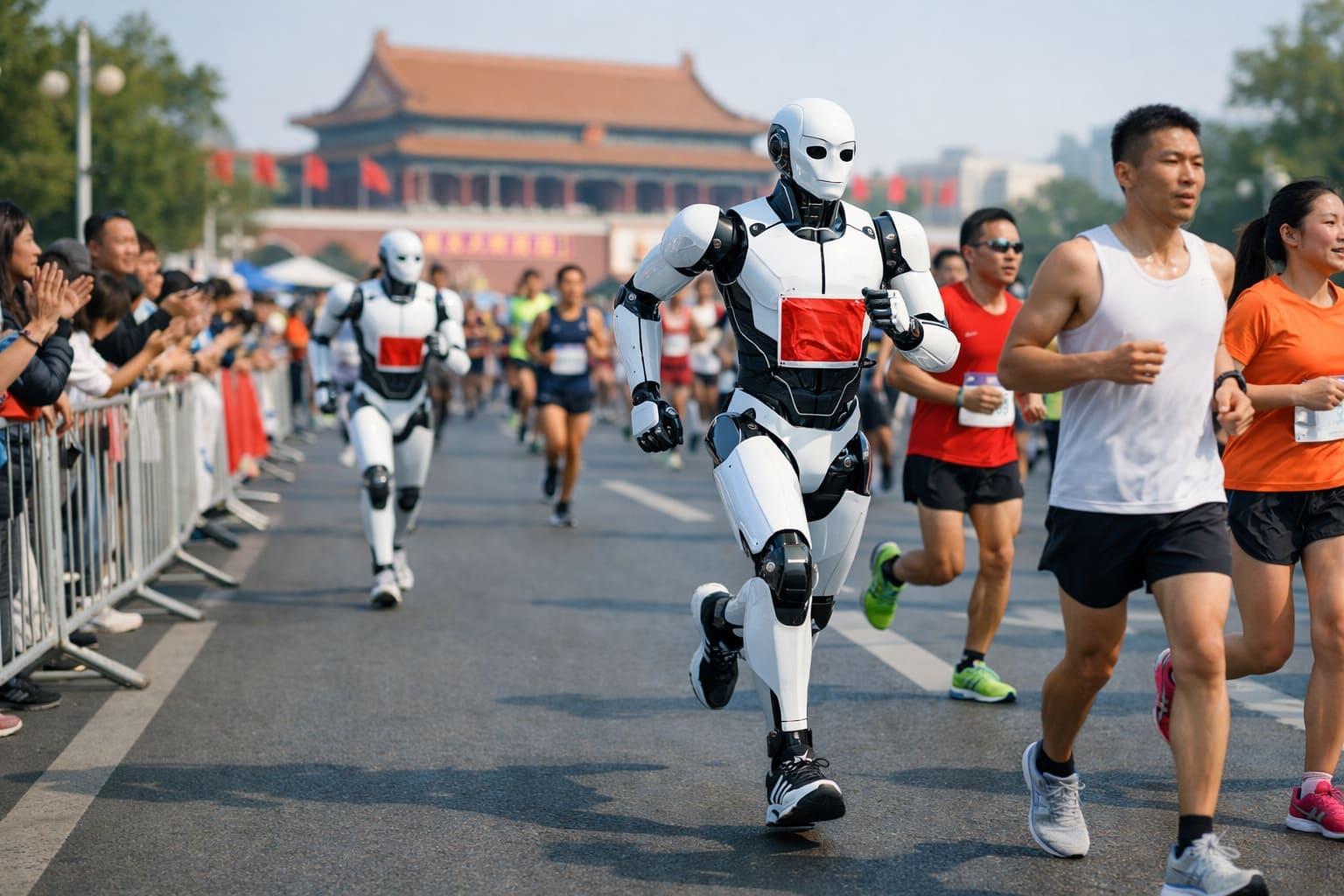
In a remarkable display of technological advancement, humanoid robots participated in a half-marathon in Beijing, with one robot completing the race in just 50 minutes. This event underscores China's ambition to lead in the global robotics sector. The robots' performance not only broke records but also showcased the potential of robotics in competitive sports.
At a glance
Location and topic
Region
Beijing, China
Tag cluster
Trend count
+4 related briefs
What happened
On April 19, 2026, a groundbreaking event unfolded in Beijing as humanoid robots participated in a half-marathon, racing alongside human athletes. The highlight of the event was a Chinese-developed robot that completed the race in an astonishing 50 minutes, significantly surpassing last year's record. This remarkable achievement not only showcased the advanced capabilities of robotics but also underscored China's ambition to dominate the global robotics industry. The half-marathon, which took place in the heart of Beijing, attracted considerable media attention and public interest, drawing spectators eager to witness this unique intersection of technology and sport. The event featured a variety of humanoid robots, each designed with cutting-edge technology to mimic human movement and endurance. As the robots sped past human runners, the crowd erupted in cheers, marking a historic moment in both sports and technological innovation. The successful performance of these robots has sparked discussions about the future of athletics and the role of artificial intelligence in competitive environments. This event is part of a broader trend in which robotics are increasingly integrated into various aspects of daily life, from manufacturing to entertainment, and now, sports. The implications of such advancements raise questions about the future of human competition and the evolving relationship between humans and machines. As the race concluded, the excitement was palpable, with many spectators expressing awe at the robots' performance and curiosity about what this means for the future of sports.
Why this matters
The significance of the Beijing half-marathon extends beyond the impressive speed of the humanoid robots; it highlights the rapid advancements in robotics and artificial intelligence, particularly in China. As the country invests heavily in technology and innovation, events like this serve as a testament to its commitment to leading the global robotics sector. The integration of robots into competitive sports raises important questions about the future of athleticism and the nature of competition itself. As robots become more capable, they challenge traditional notions of what it means to be an athlete. This event also emphasizes the potential applications of robotics in various fields, including healthcare, logistics, and entertainment. Understanding the capabilities and limitations of these technologies is crucial as they become more prevalent in society. The implications of this event resonate with broader societal trends, prompting discussions about ethics, job displacement, and the future of human-robot collaboration. As we witness the increasing presence of robots in our lives, it is essential to consider how these advancements will shape our world and the way we interact with technology.
What changed
The participation of humanoid robots in the Beijing half-marathon marks a significant shift in the landscape of competitive sports. Traditionally, athletic competitions have been reserved for human participants, but the successful completion of the race by robots suggests a new era where machines could play a prominent role in sporting events. This development challenges conventional ideas about athleticism and raises the possibility of creating new categories of competition that include robotic participants. As technology continues to evolve, we may see the emergence of events specifically designed for robots, similar to how we have categories for different age groups or skill levels in human sports. This shift could lead to further innovations in robotic technology, as developers strive to enhance the performance and capabilities of their creations. Additionally, the event has sparked conversations about the ethical implications of integrating robots into sports, including concerns about fairness, safety, and the potential for job displacement in athletic professions. As society grapples with these changes, it will be essential to establish guidelines and regulations that govern the participation of robots in competitive environments, ensuring that the spirit of competition is preserved while embracing technological advancements.
Bigger picture
The integration of humanoid robots into competitive sports is a reflection of broader technological trends that are reshaping various sectors of society. As robotics and artificial intelligence continue to advance, their influence is expected to extend beyond sports into areas such as healthcare, manufacturing, and entertainment. For instance, robots are increasingly being utilized in surgical procedures, enhancing precision and reducing recovery times for patients. In manufacturing, automation is streamlining production processes, leading to increased efficiency and reduced costs. The implications of these advancements are profound, prompting discussions about the future of work, the ethical considerations surrounding AI, and the potential for job displacement in various industries. The Beijing half-marathon serves as a reminder of the potential for technology to redefine human capabilities and competition. As robots become more integrated into our daily lives, it is crucial to consider the societal impacts of these changes. This includes addressing concerns about ethics, privacy, and the potential for inequality in access to technology. The event also raises questions about the future of human-robot collaboration, as we navigate a world where machines increasingly complement human efforts. As we look ahead, it will be essential to monitor how society adapts to these changes and the ways in which technology continues to shape our understanding of competition and collaboration.
Looking Towards the Future
In the coming years, it will be important to observe future events featuring humanoid robots in competitive settings, as they may pave the way for new categories of sports and competitions. Additionally, advancements in robotics technology and their applications across various fields will be significant to monitor. This includes developments in AI, machine learning, and robotics that could further enhance the capabilities of humanoid machines. Furthermore, keeping an eye on how society adapts to the increasing presence of robots in everyday life will provide valuable insights into the evolving relationship between humans and machines. As discussions about ethics, job displacement, and the future of work continue, it will be crucial to engage in conversations about the implications of these technological advancements on our society.
Story timeline
Event Date
Humanoid robots participated in the Beijing half-marathon.
Record Broken
A humanoid robot completed the race in 50 minutes, breaking the previous record.
Global Attention
The event garnered significant media coverage, highlighting advancements in robotics.
Sources behind this brief
3 total
Al Jazeera RSS
Original report on the event.
DW All RSS
Coverage of the robot runners' performance.
Euronews RSS
Report on China's hosting of the event.
Further reading on this topic
4 links
Context zone
China
Context zone
China
On this map
Humanoid Robots Outpace Humans in Beijing Half-Marathon
Beijing, China
No other published articles from this region yet. This marker anchors the story for future regional clustering.