Rising temperatures could be driving up antibiotic resistance in soil, 11-year study finds
An 11-year study reveals that rising temperatures may increase antibiotic resistance genes (ARGs) in soil by nearly 24%. The research indicates that climate warming enhances the abundance of Actinomycetota bacteria, which carry many resistance genes. This finding highlights the potential risks to human health and agriculture as climate change progresses.
At a glance
Location and topic
Region
Global
Tag cluster
Trend count
+2 related briefs
What happened
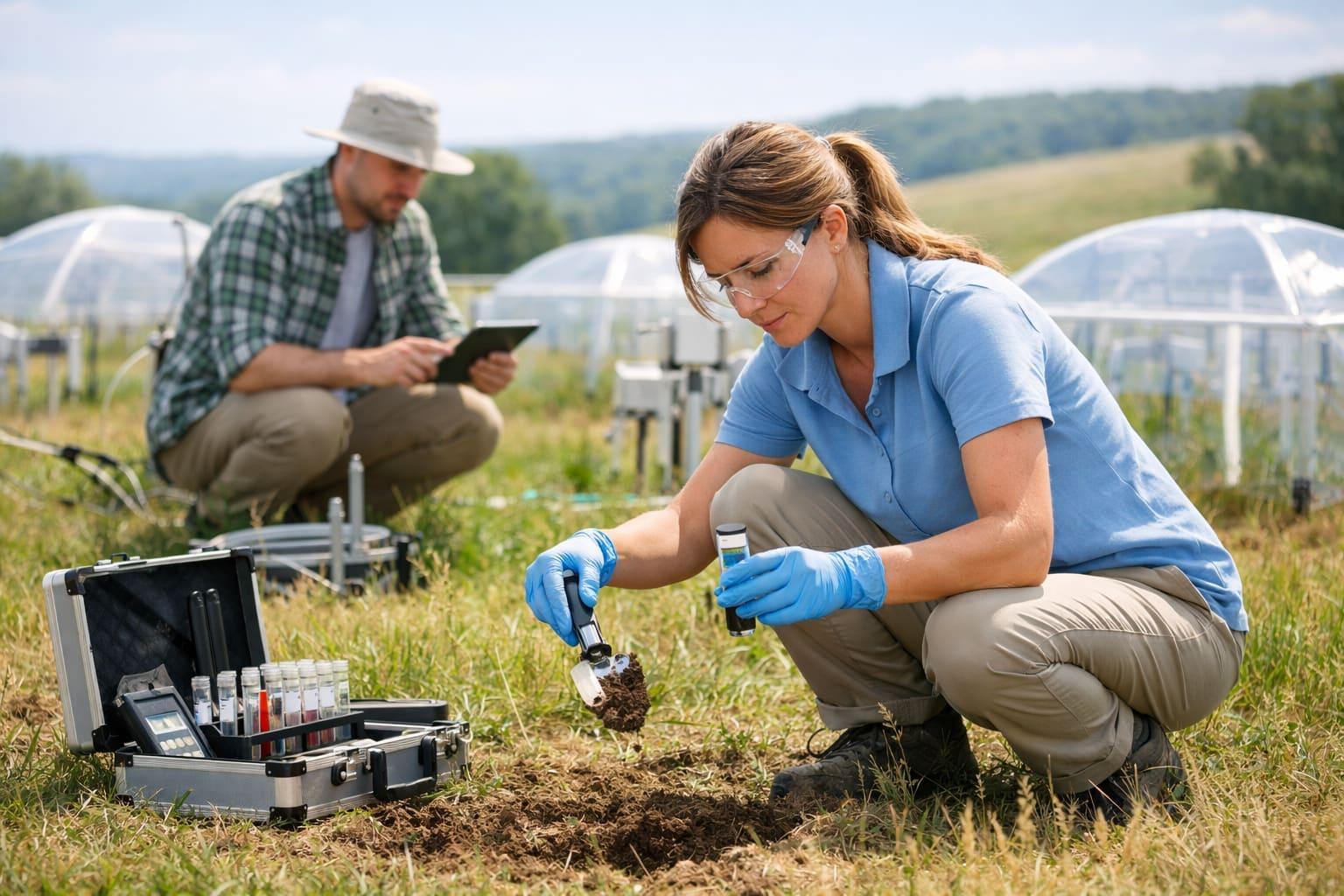
A comprehensive 11-year study has shown that long-term climate warming can significantly increase the abundance of antibiotic resistance genes (ARGs) in grassland soils. Conducted in a controlled environment, researchers found that raising soil temperatures by 3°C led to a nearly 24% increase in ARGs, primarily due to the proliferation of Actinomycetota bacteria, which naturally harbor these genes. The study utilized advanced genetic sequencing methods, including shotgun metagenomics and GeoChip technology, to analyze soil samples and assess the mobility of resistance genes. These methods provided a detailed view of the genetic landscape of the soil microbiome, revealing that warming not only increases the concentration of ARGs but also enhances their transferability among bacteria. The implications of these findings are profound, as they suggest that climate change could exacerbate the already critical issue of antimicrobial resistance (AMR). With predictions indicating that AMR could lead to up to 10 million deaths annually by 2050 if unaddressed, understanding the environmental factors contributing to this crisis is essential. The research highlights the interconnectedness of human health, agriculture, and environmental sustainability, emphasizing the need for a One Health approach that considers the health of humans, animals, and ecosystems. The study's findings were published in the journal Nature, underscoring the urgency of addressing the relationship between climate change and public health.
Why this matters
This research is vital as it links climate change to the growing threat of antibiotic resistance, a pressing global health issue. The study reveals that rising temperatures can enhance the abundance and mobility of ARGs in soil, which could lead to increased resistance in pathogens affecting both human health and agriculture. By understanding how environmental factors influence AMR, stakeholders can develop more effective strategies to combat this challenge. The findings also stress the importance of sustainable agricultural practices and environmental management in mitigating health risks associated with rising temperatures. As the world grapples with the dual challenges of climate change and AMR, this research provides critical insights that can inform public health policies and agricultural practices aimed at reducing the spread of resistance genes. The urgency of addressing these interconnected issues cannot be overstated, as the consequences of inaction could be dire for global health.
What changed
The study has shifted the understanding of how climate change impacts microbial communities in soil, particularly regarding antibiotic resistance. It highlights the role of temperature in enhancing the abundance and mobility of ARGs, which could lead to increased resistance in pathogens affecting both human health and agriculture. This new perspective calls for urgent action to address the implications of climate change on AMR. The research underscores the need for interdisciplinary collaboration among scientists, policymakers, and public health officials to develop comprehensive strategies that address the multifaceted nature of AMR in the context of a changing climate. Furthermore, the findings challenge existing assumptions about the sources of antibiotic resistance, suggesting that environmental factors, particularly climate, play a significant role in shaping microbial resistance patterns. This shift in understanding necessitates a reevaluation of current practices in agriculture and public health to mitigate the risks associated with rising temperatures and antibiotic resistance.
Bigger picture
The findings of this study contribute to a growing body of evidence linking climate change to public health challenges, particularly antimicrobial resistance. As global temperatures rise, the interactions between environmental factors and microbial resistance become increasingly critical. This research underscores the need for a holistic approach to health that integrates environmental sustainability, agricultural practices, and public health strategies. Policymakers and health organizations must prioritize research and interventions that address the multifaceted nature of AMR in the context of a changing climate. The One Health approach, which recognizes the interconnectedness of human, animal, and environmental health, is particularly relevant in this context. By fostering collaboration across disciplines, stakeholders can develop comprehensive strategies that not only address the immediate threats posed by AMR but also promote long-term sustainability. Additionally, as climate change continues to impact ecosystems worldwide, understanding the implications for microbial communities will be essential for safeguarding public health. The urgency of this research is amplified by the potential for AMR to undermine decades of medical progress, making it imperative for global health initiatives to incorporate findings from studies like this one into their frameworks.
History
The relationship between climate change and public health has been a topic of increasing concern over the past few decades. As global temperatures have risen, studies have begun to reveal the complex interactions between environmental changes and health outcomes. The emergence of antimicrobial resistance has been recognized as a significant public health threat, prompting research into its causes and potential solutions. This study adds a crucial layer to this discourse by demonstrating how climate factors can influence microbial resistance in soil, highlighting the urgent need for integrated health and environmental policies. Historically, the rise of antibiotic resistance has been attributed primarily to the overuse and misuse of antibiotics in human medicine and agriculture. However, this research suggests that environmental factors, particularly climate change, are also significant contributors to the problem. As the scientific community continues to explore these connections, it becomes increasingly clear that addressing AMR requires a comprehensive understanding of the environmental context in which it occurs.
Looking Towards the Future
Future research should focus on the long-term effects of climate change on microbial communities across various ecosystems. Monitoring the prevalence of antibiotic resistance in different environmental contexts will be essential for understanding the broader implications for public health. Additionally, stakeholders should advocate for policies that promote sustainable agricultural practices and environmental stewardship to mitigate the risks associated with rising temperatures and antibiotic resistance. As the global community grapples with the challenges posed by climate change and AMR, it will be crucial to foster collaboration among scientists, policymakers, and public health officials to develop effective strategies that address these interconnected issues. Furthermore, ongoing education and awareness campaigns will be necessary to inform the public about the importance of responsible antibiotic use and the potential impacts of climate change on health.
Story timeline
Study Duration
The 11-year study conducted to assess the impact of climate warming on antibiotic resistance in soil.
Publication Date
The findings of the study were published, highlighting the link between rising temperatures and antibiotic resistance.
Future Projections
Predictions indicate that antimicrobial resistance could lead to up to 10 million deaths annually if not addressed.
Sources behind this brief
2 total
Phys.org
Original article detailing the study's findings.
Nature
Published the study on the effects of warming on antibiotic resistance.
Further reading on this topic
2 links
Context zone
Context zone
On this map
Rising temperatures could be driving up antibiotic resistance in soil, 11-year study finds
Global
No other published articles from this region yet. This marker anchors the story for future regional clustering.