Friday, April 10, 2026The Upside Observer

    Good News From Around The World

    • All
    • Environment
    • Science
    • Culture
    • Community
    Fri, Apr 10

    Sign in to comment

    Environment

    New glassfrog species named for first Ecuadorian woman to win a gold medal
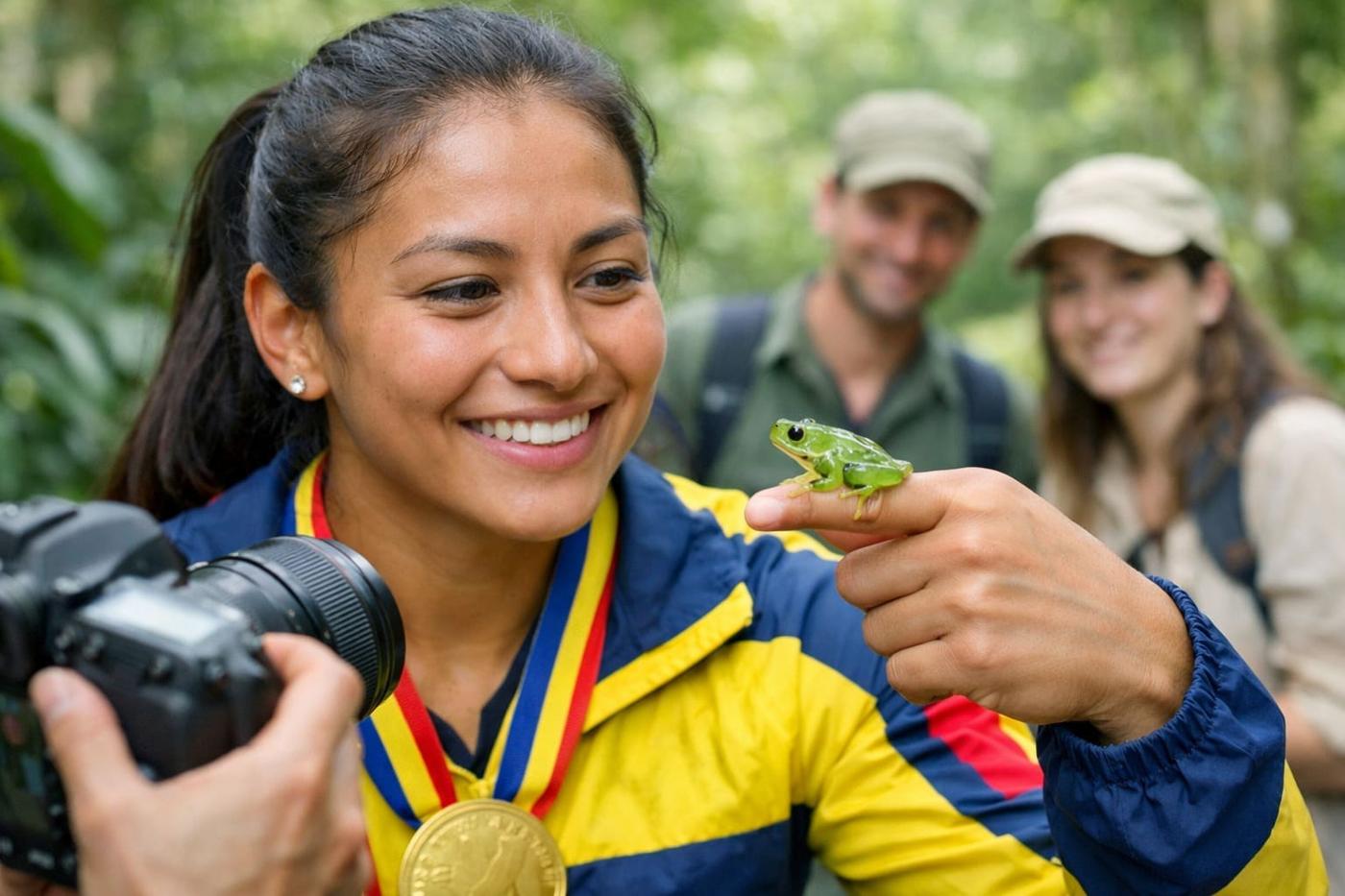
    New glassfrog species named for first Ecuadorian woman to win a gold medal

    A new species of glassfrog has been named in honor of the first Ecuadorian woman to win a gold medal. This recognition highlights the intersection of biodiversity and cultural achievements, celebrating both nature and human accomplishments.

    Phys.org·April 8, 2026

    Positivity

    90

    Impact

    High

    Buzz

    +7

    Why it's positive

    This event showcases the importance of recognizing contributions to both science and society. It inspires future generations to appreciate and protect biodiversity.

    Why it matters

    Honoring individuals through scientific discoveries fosters a deeper connection between culture and nature.

    Why now

    This moment reflects a growing trend to celebrate diversity in both human achievements and the natural world.

    Impact analysis

    The naming of this species can enhance awareness of conservation efforts in Ecuador. It may also encourage more research into the region's unique biodiversity, benefiting both science and local communities.

    Continue to source↗or
    Continue to source↗or

    Phys.org

    Regional map

    Where this story sits

    Current storySame region

    On this map

    New glassfrog species named for first Ecuadorian woman to win a gold medal

    Ecuador
    1

    Ecuador study finds tropical rainforest biodiversity rebounds over 90% in 30 years

    Ecuador

    A recent study from Ecuador reveals that tropical rainforest biodiversity can recover to over 90% of its original levels within 30 years after land use ceases. Conducted in the Chocó region, the research highlights the remarkable resilience of these ecosystems, with a significant return of both animal and plant species. This finding underscores the potential for natural regeneration in previously cleared areas, offering hope for conservation efforts.

    Tags:glassfrogecuadorbiodiversitygold medalspecies
    Positivity score: 90

    Comments

    Join the discussion. Keep it constructive and on-topic.

    Sign in or create an account to post a comment.

    No comments yet.

    Related Articles

    Same topic

    Ecuador study finds tropical rainforest biodiversity rebounds over 90% in 30 years
    Environment

    Ecuador study finds tropical rainforest biodiversity rebounds over 90% in 30 years

    A recent study from Ecuador reveals that tropical rainforest biodiversity can recover to over 90% of its original levels within 30 years after land use ceases. Conducted in the Chocó region, the research highlights the remarkable resilience of these ecosystems, with a significant return of both animal and plant species. This finding underscores the potential for natural regeneration in previously cleared areas, offering hope for conservation efforts.

    High | Ecuador
    biodiversityconservationrainforestecuador
    +17 similar this week
    April 8, 2026
    Poland: "Frog Patrol" saves thousands of amphibians during migration
    Environment

    Poland: "Frog Patrol" saves thousands of amphibians during migration

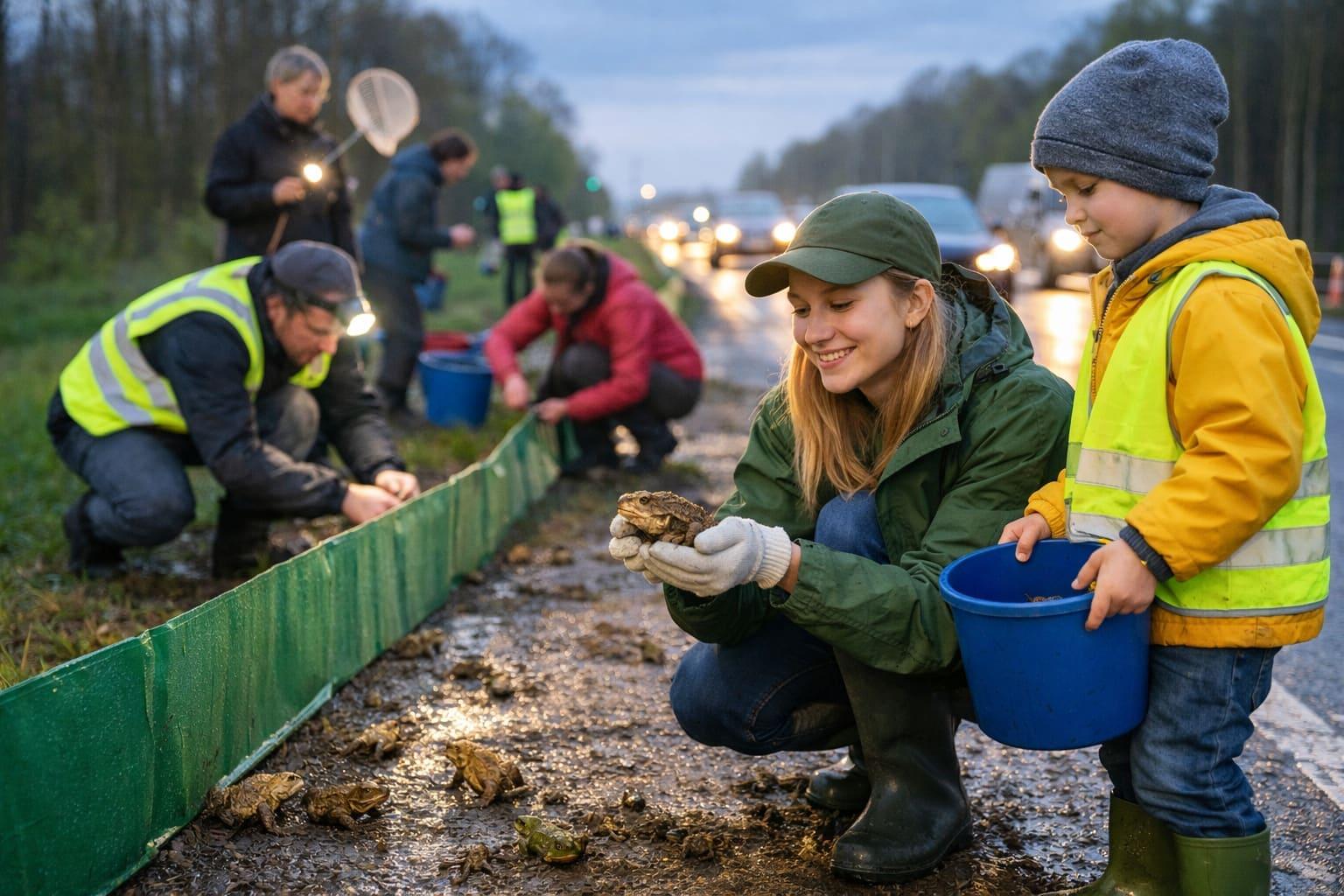
    In Poland, volunteers near Warsaw have formed a "Frog Patrol" to assist thousands of frogs and toads in safely crossing a busy road during their migration. This initiative, active each spring, has reportedly saved around 18,000 amphibians, raising awareness about wildlife protection in the community. The patrol operates mainly in the evenings, especially after rain, to ensure the safety of these creatures as they navigate their traditional routes disrupted by road construction.

    Medium | Poland
    polandwildlifevolunteersbiodiversity
    +20 similar this week
    April 10, 2026
    Spectacular fossil treasure trove pushes back origins of complex animals
    Environment

    Spectacular fossil treasure trove pushes back origins of complex animals

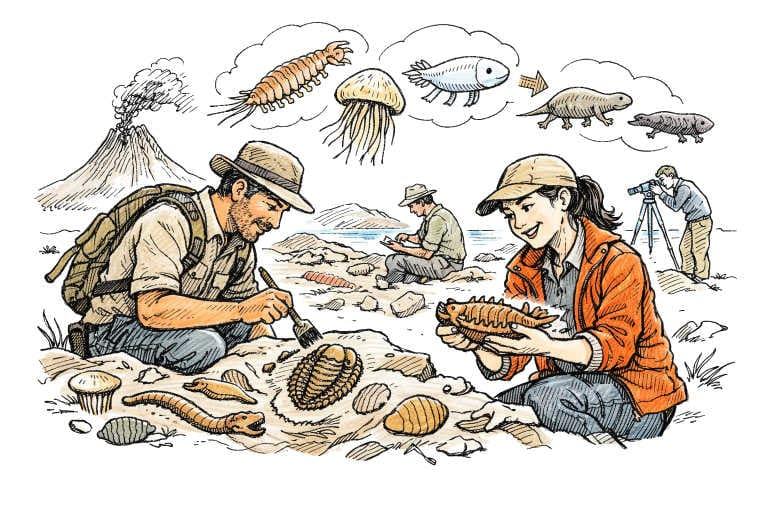
    A recent discovery of a remarkable fossil site has provided new insights into the origins of complex animals, potentially reshaping our understanding of evolutionary history. This find highlights the importance of paleontological research in uncovering the past and its implications for the future of biodiversity.

    High
    fossilsevolutionpaleontologybiodiversity
    +13 similar this week
    April 2, 2026
    UK Shows Signs of Earliest Spring on Record
    Environment

    UK Shows Signs of Earliest Spring on Record

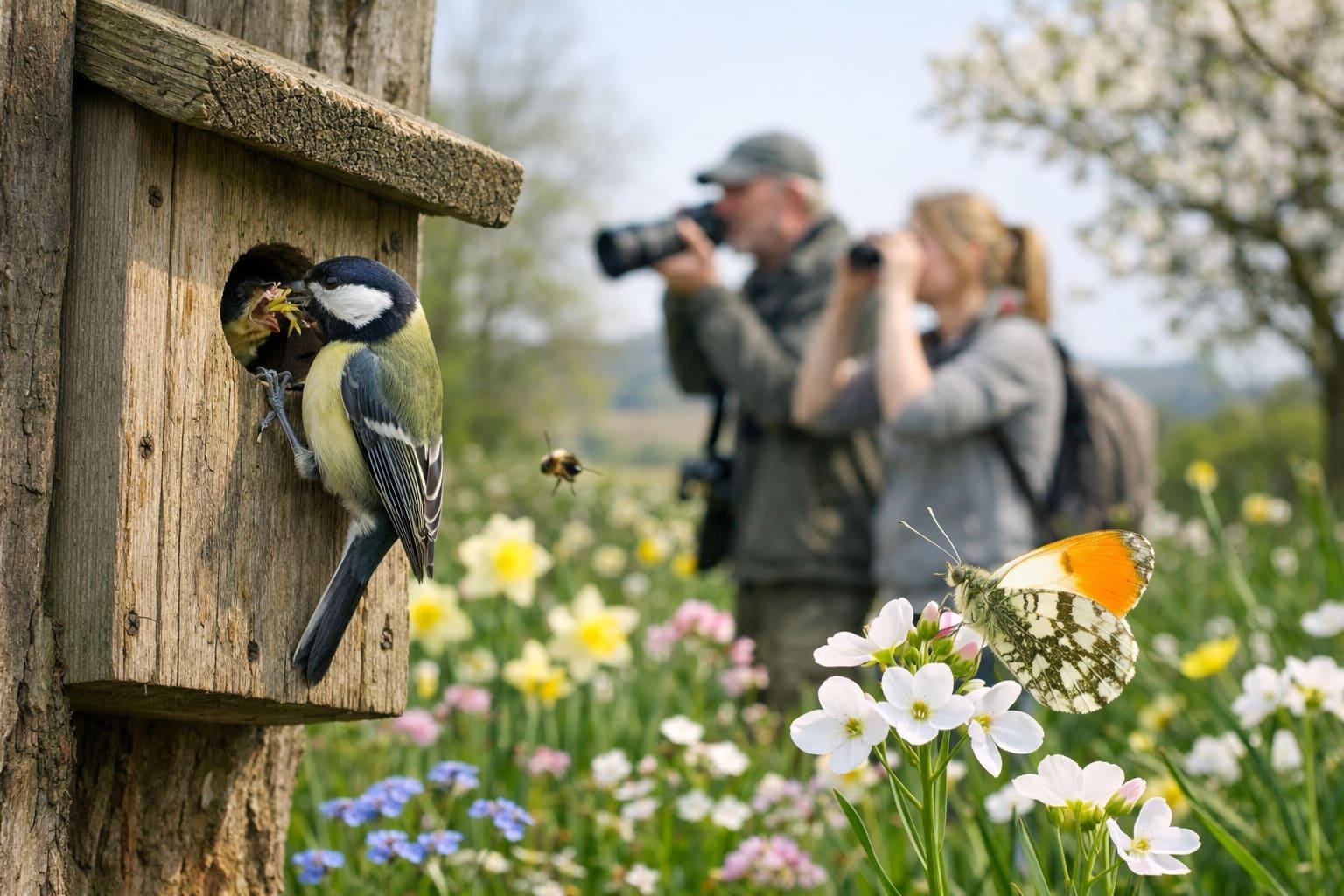
    The UK is experiencing its earliest spring on record, with notable early occurrences of flowering, nesting, and insect activity. Citizen science data indicates that species like great tits and orange-tip butterflies are adapting to these changes, with egg-laying and emergence happening significantly earlier than in previous years. This trend reflects the broader impacts of climate change on seasonal patterns.

    High | United Kingdom
    springclimatewildlifebiodiversity
    +16 similar this week
    April 4, 2026
    It takes a village: How cooperative breeding has shaped Lake Tanganyika fish
    Environment

    It takes a village: How cooperative breeding has shaped Lake Tanganyika fish

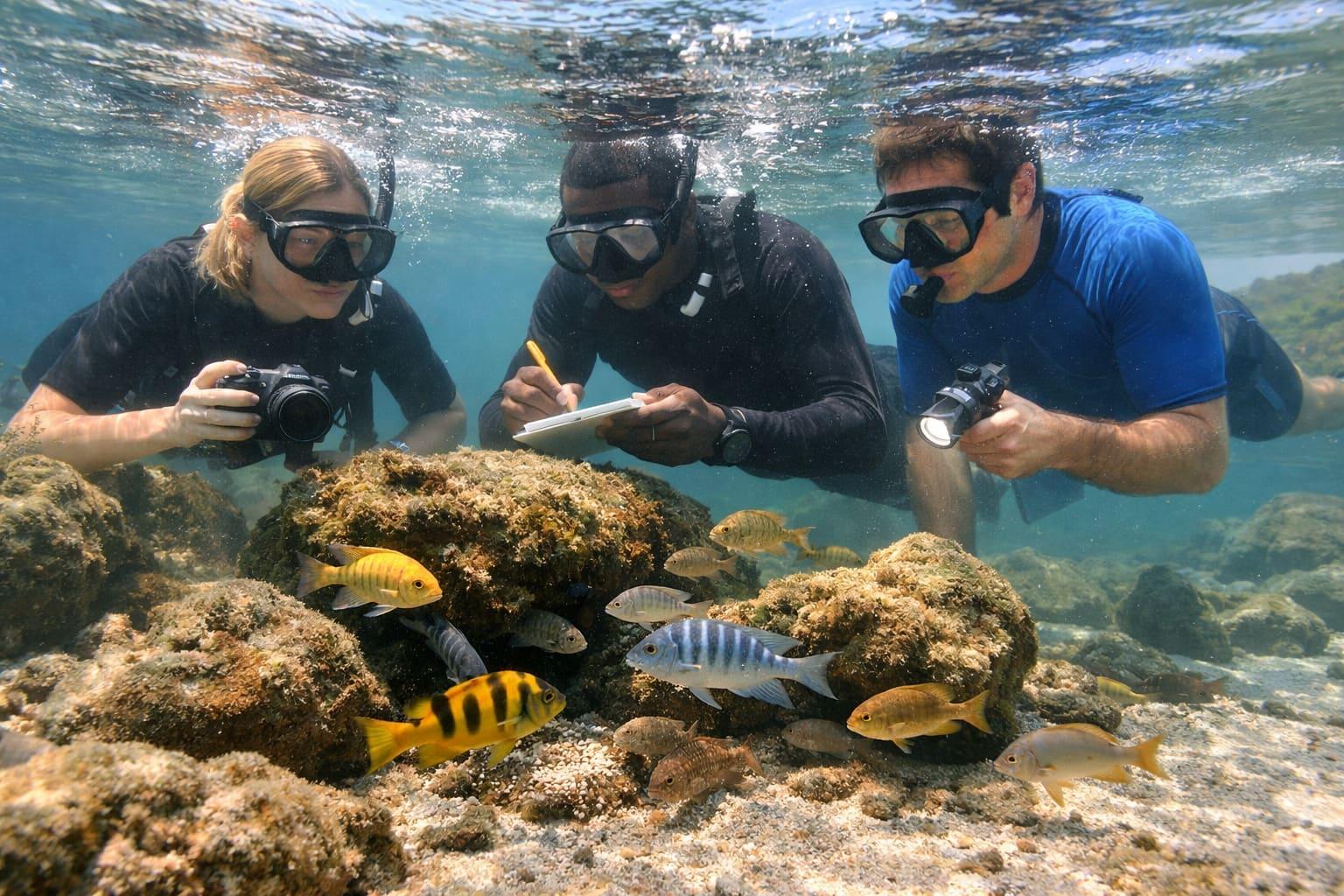
    Research highlights the role of cooperative breeding in the evolution of fish species in Lake Tanganyika. This collaborative behavior among fish has led to diverse adaptations and thriving ecosystems. The findings underscore the importance of social structures in nature.

    High | Tanzania
    lake tanganyikafishcooperationbiodiversity
    +8 similar this week
    April 5, 2026
    ‘I escaped death a lot of times’: one man’s lifelong work protecting gorillas and communities in Congo
    Environment

    ‘I escaped death a lot of times’: one man’s lifelong work protecting gorillas and communities in Congo

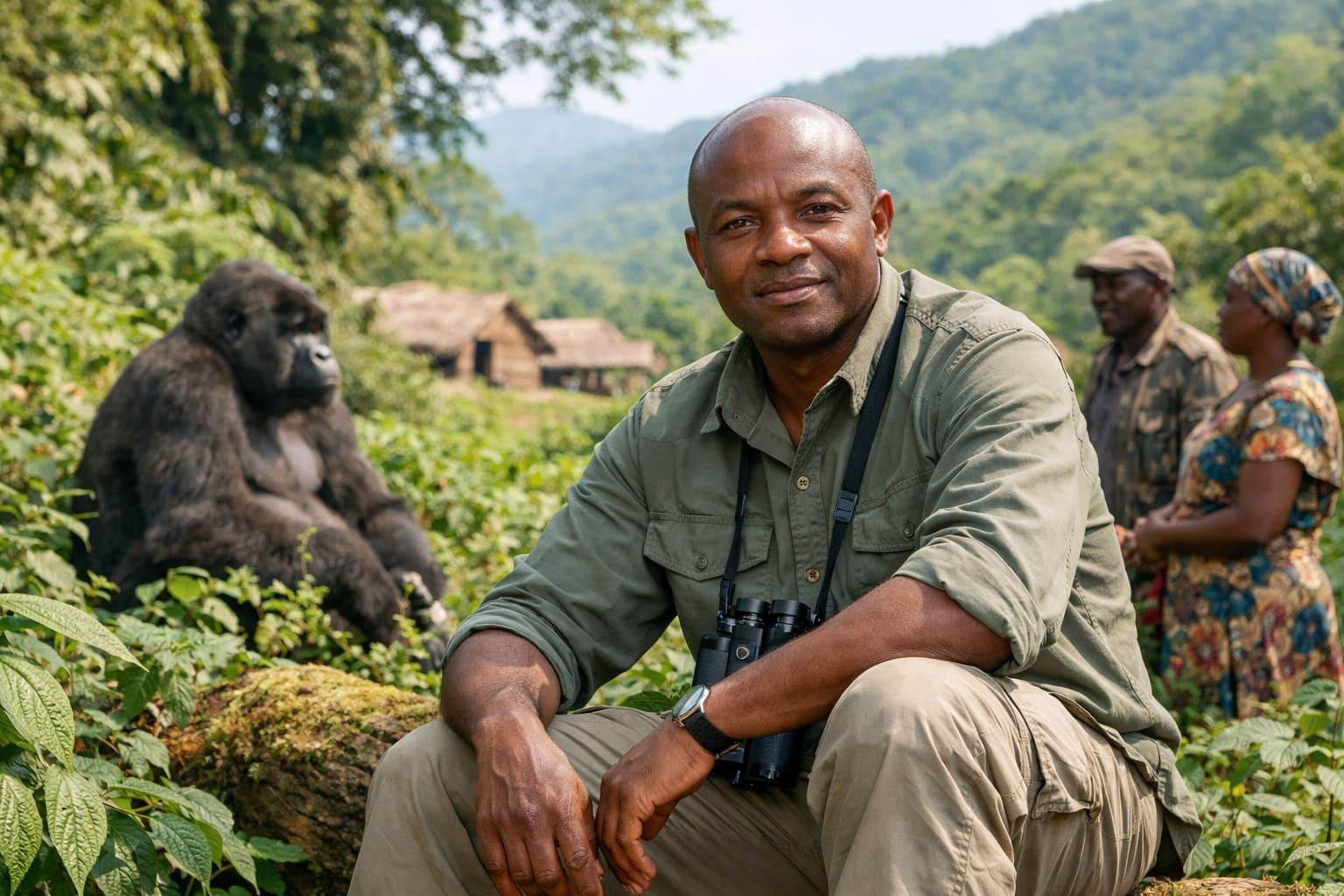
    Dominique Bikaba, founder of Strong Roots Congo, has dedicated his life to protecting gorillas and supporting local communities in the Democratic Republic of the Congo. His efforts focus on reconciling conservation with community rights, especially in the face of ongoing conflict. By establishing community forests and advocating for Indigenous land rights, Bikaba aims to create a biodiversity corridor that benefits both wildlife and local populations. His work highlights the importance of integrating human and ecological needs in conservation efforts.

    High | Democratic Republic of the Congo
    gorillasconservationcommunitycongo
    +21 similar this week
    April 6, 2026
    ‘Amazing’: how to grow a meadow in the sea
    Environment

    ‘Amazing’: how to grow a meadow in the sea

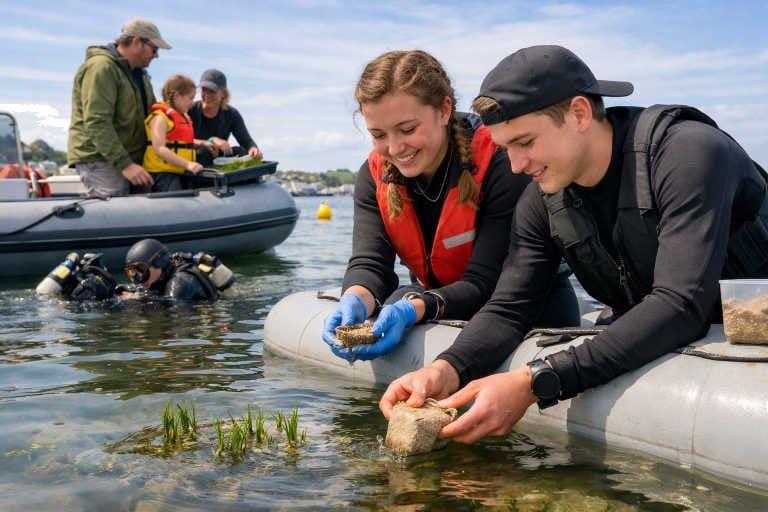
    Communities and scientists in the UK are working together to restore underwater seagrass meadows, which are vital for marine life and environmental health. Despite challenges such as climate impacts and pollution, efforts are underway to plant millions of seeds and revive these ecosystems. The initiative not only aims to enhance biodiversity but also to engage young people in environmental stewardship.

    High | United Kingdom
    seagrassmarineconservationenvironment
    +22 similar this week
    April 3, 2026
    Three Himalayan predators coexist by partitioning prey, reducing direct competition
    Environment

    Three Himalayan predators coexist by partitioning prey, reducing direct competition

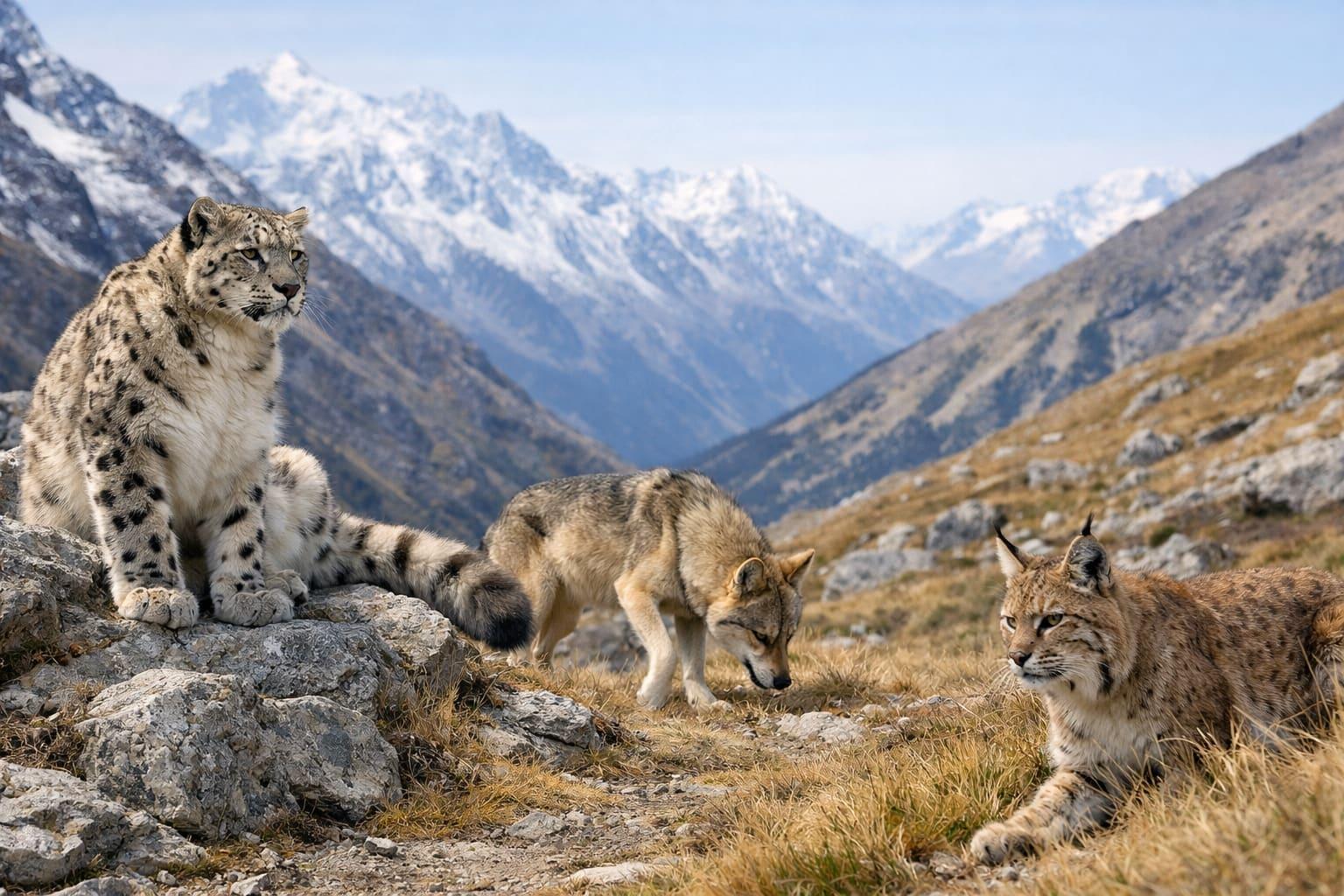
    Recent research highlights how three predator species in the Himalayas manage to coexist by partitioning their prey. This unique adaptation reduces direct competition among them, showcasing the intricate balance of nature. Such findings emphasize the importance of biodiversity and ecosystem health.

    High | Nepal
    himalayaspredatorsbiodiversityecosystem
    +17 similar this week
    April 6, 2026

    Same location

    Ecuador study finds tropical rainforest biodiversity rebounds over 90% in 30 years
    Environment

    Ecuador study finds tropical rainforest biodiversity rebounds over 90% in 30 years

    A recent study from Ecuador reveals that tropical rainforest biodiversity can recover to over 90% of its original levels within 30 years after land use ceases. Conducted in the Chocó region, the research highlights the remarkable resilience of these ecosystems, with a significant return of both animal and plant species. This finding underscores the potential for natural regeneration in previously cleared areas, offering hope for conservation efforts.

    High | Ecuador
    biodiversityconservationrainforestecuador
    +17 similar this week
    April 8, 2026

    The Upside Observer

    Dedicated to sharing stories that inspire, uplift, and remind us of the good in the world.

    Sections

    • Environment
    • Science
    • Culture
    • Community

    The Rest

    • About
    • Contact
    • Privacy Policy

    Stay Connected

    Subscribe to our newsletter for a weekly dose of good news.

    © 2026 The Upside Observer. All rights reserved. Spreading good news, one story at a time.