Three Himalayan predators coexist by partitioning prey, reducing direct competition
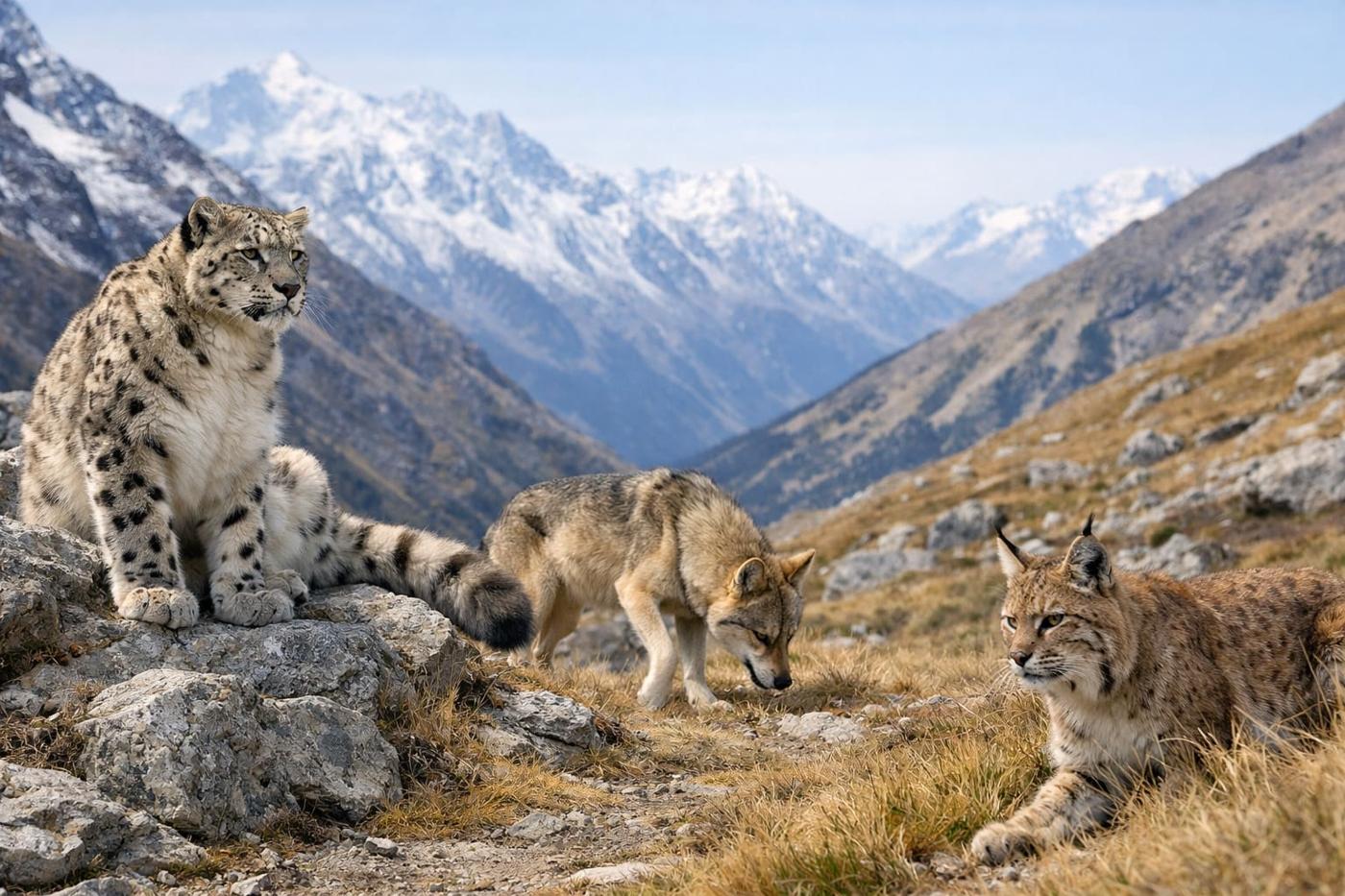
Recent research highlights how three predator species in the Himalayas manage to coexist by partitioning their prey. This unique adaptation reduces direct competition among them, showcasing the intricate balance of nature. Such findings emphasize the importance of biodiversity and ecosystem health.
Why it's positive
This discovery illustrates the remarkable adaptability of wildlife and the complex interactions within ecosystems. It highlights the resilience of nature in maintaining balance.
Why it matters
Understanding these dynamics can inform conservation efforts and promote biodiversity.
Why now
This research is timely as global biodiversity faces unprecedented challenges, making insights into coexistence strategies crucial.
Impact analysis
The findings could influence conservation strategies aimed at preserving predator species and their habitats. By understanding coexistence, we can better protect ecosystems. This research may also inspire further studies on wildlife interactions.
Regional map
Where this story sits
On this map
Three Himalayan predators coexist by partitioning prey, reducing direct competition
Nepal
No other published articles from this region yet. This marker anchors the story for future regional clustering.