Man produces sperm from testicular tissue frozen as a child in breakthrough trial
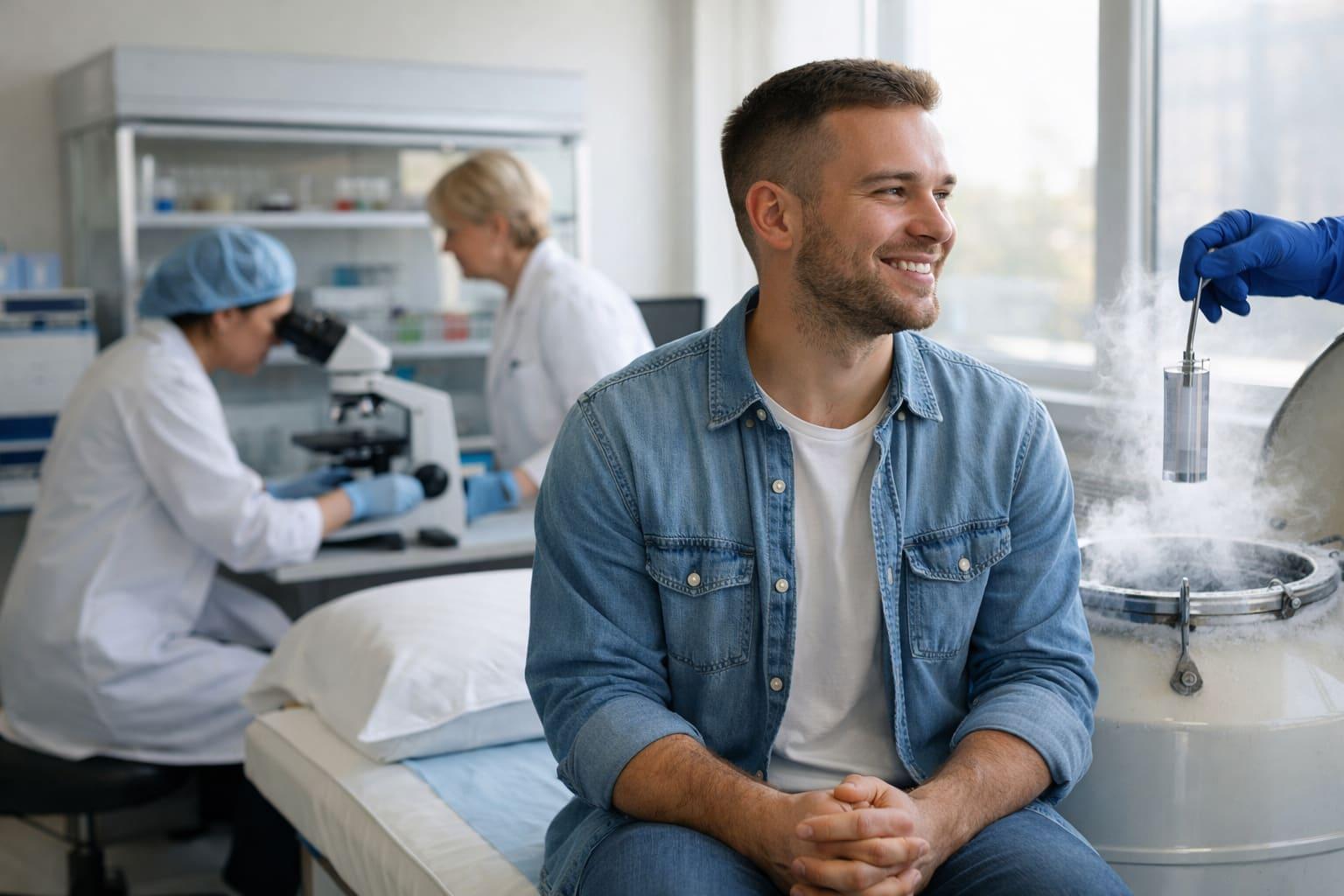
In a groundbreaking trial, a man has successfully produced sperm from testicular tissue frozen during childhood chemotherapy. This marks the first instance of restoring sperm production through the transplantation of cryopreserved prepubertal testicular tissue. The findings offer hope for many young cancer survivors facing infertility due to their treatments.
At a glance
Location and topic
Region
Belgium
Tag cluster
Trend count
+4 related briefs
What happened
In a pioneering fertility trial, a 27-year-old man has successfully produced sperm from testicular tissue that was frozen when he was just 10 years old. This remarkable achievement occurred after he underwent chemotherapy for sickle cell disease, a treatment that often leads to infertility. The trial, conducted by Professor Ellen Goossens at the Vrije Universiteit Brussel, marks the first successful demonstration of restoring sperm production through the transplantation of cryopreserved prepubertal testicular tissue. The procedure involved the surgical removal of a testicle, which was then segmented into small pieces and frozen prior to the chemotherapy treatment in 2008. Sixteen years later, four tissue fragments were grafted back into the man's remaining testicle and four were placed under the skin of the scrotum. After a year, the grafts were analyzed, revealing that two of the grafts from inside the testicle had produced mature sperm, which was subsequently collected and frozen. This breakthrough offers hope to many young cancer survivors who have faced infertility due to their life-saving treatments. Professor Goossens emphasized the significance of this finding, stating, "Many more people will have hope that they can have biological children. It’s great to see for the patients for whom we already have tissue banked." The success of this trial is expected to encourage further research and clinical applications, with approximately 200 patients in the UK likely to benefit from this technique each year. Other clinics, such as the Centre for Reproductive Health at the University of Edinburgh, are also preparing to conduct similar trials, indicating a growing recognition of the importance of fertility preservation in pediatric oncology.
Why this matters
This breakthrough is crucial for young cancer survivors who often face infertility due to life-saving treatments. The ability to produce sperm from previously frozen testicular tissue provides a tangible solution for those wishing to have biological children in the future. The success of this trial not only offers hope but also validates years of research in fertility preservation techniques. It highlights the importance of integrating discussions about fertility preservation into the treatment plans for young patients undergoing chemotherapy or radiotherapy. As more clinics adopt similar techniques, the potential for restoring fertility in young cancer survivors could significantly improve their quality of life and future family planning options. This advancement also underscores the need for healthcare providers to inform patients and their families about available fertility preservation options, ensuring that they can make informed decisions about their reproductive health.
What changed
The successful production of sperm from previously frozen testicular tissue represents a significant advancement in reproductive health, particularly for young cancer survivors. This trial shifts the paradigm for fertility options available to these individuals, who previously had limited choices. The findings may lead to increased awareness and acceptance of fertility preservation methods in pediatric oncology, encouraging more families to consider banking testicular tissue before treatments that could compromise fertility. The trial's success also sets a precedent for future research and clinical applications, potentially leading to more widespread adoption of similar techniques across various medical institutions. As a result, the landscape of reproductive medicine for young cancer survivors is poised for transformation, offering new hope and possibilities for those affected by infertility due to their medical treatments.
Bigger picture
The implications of this breakthrough extend beyond individual cases, potentially reshaping the landscape of reproductive medicine for young cancer survivors. As more clinics adopt similar techniques, the number of patients benefiting from fertility restoration could rise significantly. This development emphasizes the importance of integrating fertility preservation discussions into cancer treatment plans for children, ensuring that patients and families are informed of their options. The ongoing research in this field may lead to further innovations, enhancing the quality of life for many individuals affected by cancer. Additionally, this trial serves as a catalyst for broader conversations about the long-term impacts of cancer treatments on fertility and the necessity of proactive measures to preserve reproductive health. As awareness grows, it is likely that more healthcare providers will prioritize fertility preservation as a standard component of care for young patients facing potentially sterilizing treatments. This shift could lead to a cultural change within the medical community, where discussions about fertility are normalized and integrated into the overall treatment process, ultimately benefiting countless young patients and their families.
History
The journey toward this breakthrough began in 2002 when the first clinic started banking testicular tissue from prepubescent boys. Over the years, advancements in techniques and understanding of spermatogonial stem cells have paved the way for successful applications in humans. This trial represents the culmination of over 15 years of research and development in the field of reproductive medicine, highlighting the importance of continued innovation. The initial efforts to bank testicular tissue were met with skepticism, as the field was still in its infancy, and there were no guarantees of success. However, the persistence of researchers and the gradual accumulation of knowledge have led to this significant milestone, demonstrating that it is possible to restore fertility in young patients who have undergone life-saving treatments. This historical context underscores the importance of ongoing research and the potential for future breakthroughs in reproductive health.
Looking Towards the Future
As more clinics begin to implement similar fertility restoration techniques, it will be important to monitor the outcomes of these procedures. Future studies will likely focus on the long-term viability of the sperm produced and the success rates of subsequent IVF treatments. Additionally, the medical community's response to integrating fertility preservation into standard care for young cancer patients will be crucial. Observing how healthcare providers adapt their practices to include discussions about fertility preservation will provide insight into the evolving landscape of pediatric oncology. Furthermore, the experiences of patients who undergo these procedures will be invaluable in shaping future research and clinical practices, ensuring that the needs and concerns of young cancer survivors are adequately addressed.
Story timeline
First tissue banking
The first clinic begins banking testicular tissue from prepubescent boys.
First successful graft
A man successfully produces sperm from testicular tissue frozen during childhood.
Ongoing research
Clinics prepare to conduct similar trials, expanding options for young cancer survivors.
Sources behind this brief
2 total
The Guardian
Original reporting on the breakthrough trial.
BBC News
Coverage of advancements in fertility preservation.
Further reading on this topic
4 links
National Cancer Institute
Details on a clinical trial evaluating testicular tissue cryopreservation for fertility preservation in pediatric males.
Oncofertility Consortium
Overview of testicular tissue cryopreservation as a fertility preservation option for prepubertal patients.
Reproductive Biology and Endocrinology
Review of advancements in fertility preservation strategies for pediatric male cancer patients, focusing on cryopreservation and transplantation of immature testicular tissue.
PubMed
Study on the effectiveness of controlled slow freezing for cryopreservation of human prepubertal testicular tissues.
Context zone
Belgium
Context zone
Belgium
On this map
Man produces sperm from testicular tissue frozen as a child in breakthrough trial
Belgium
No other published articles from this region yet. This marker anchors the story for future regional clustering.