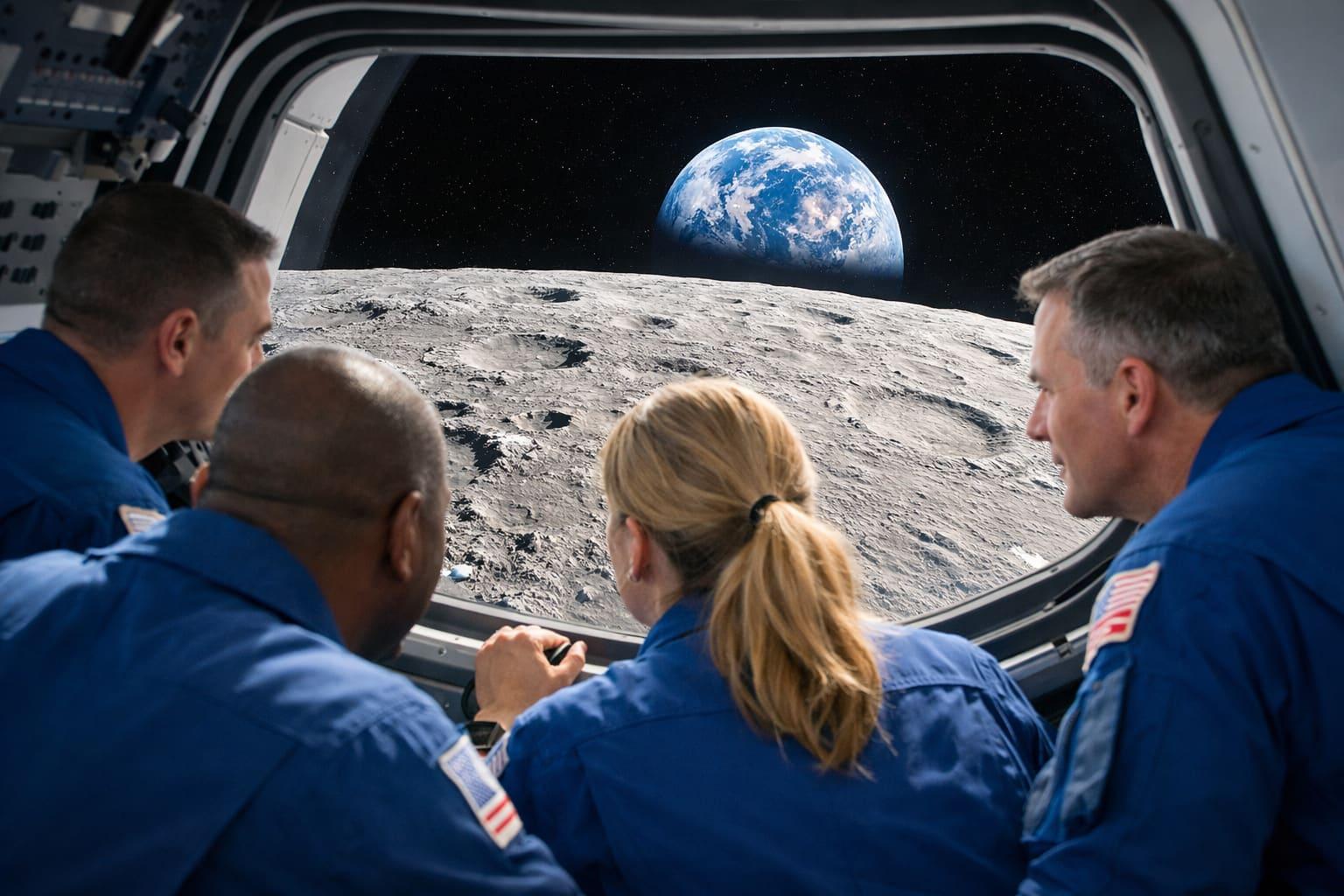
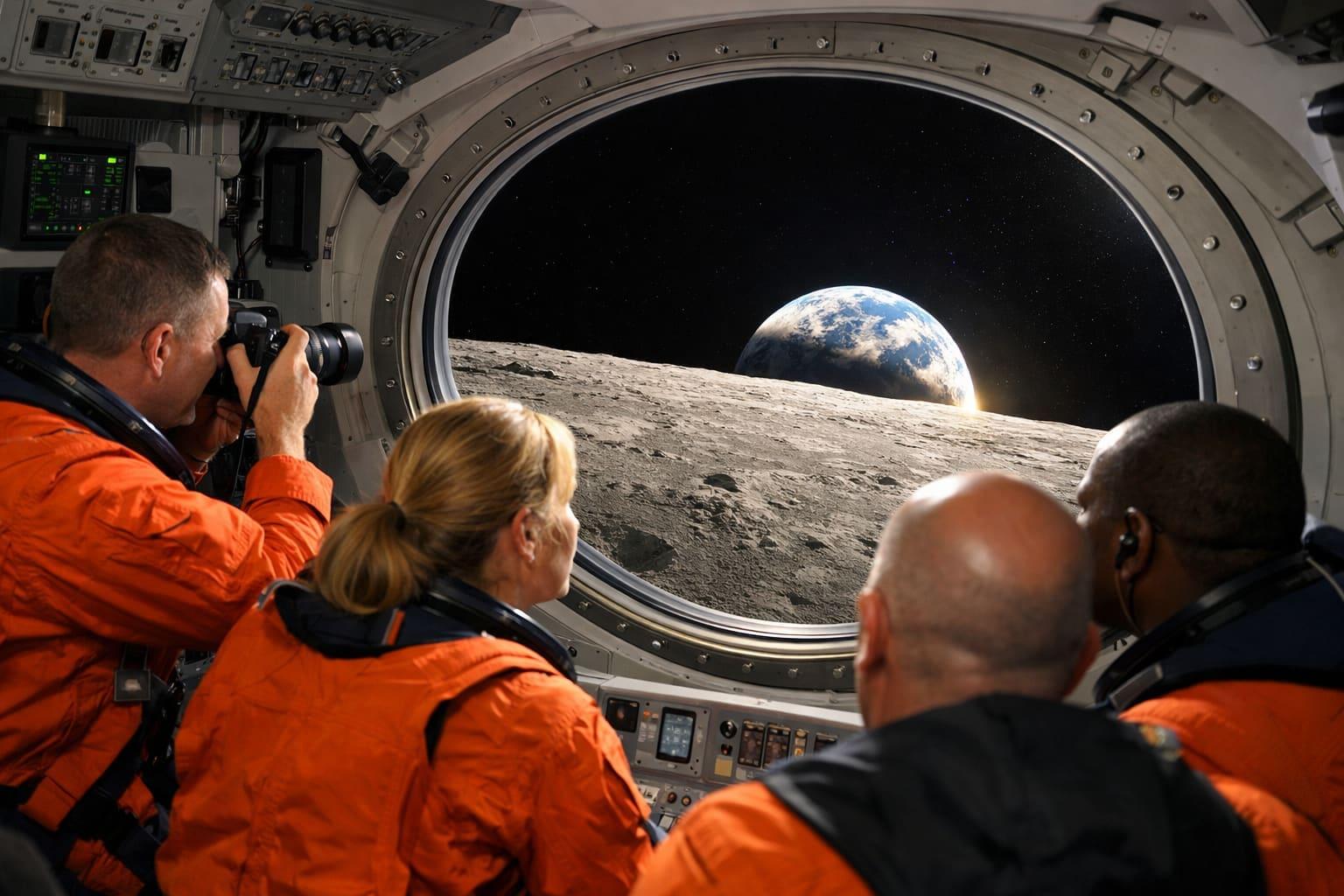
Artemis astronauts to shed light on space health risks
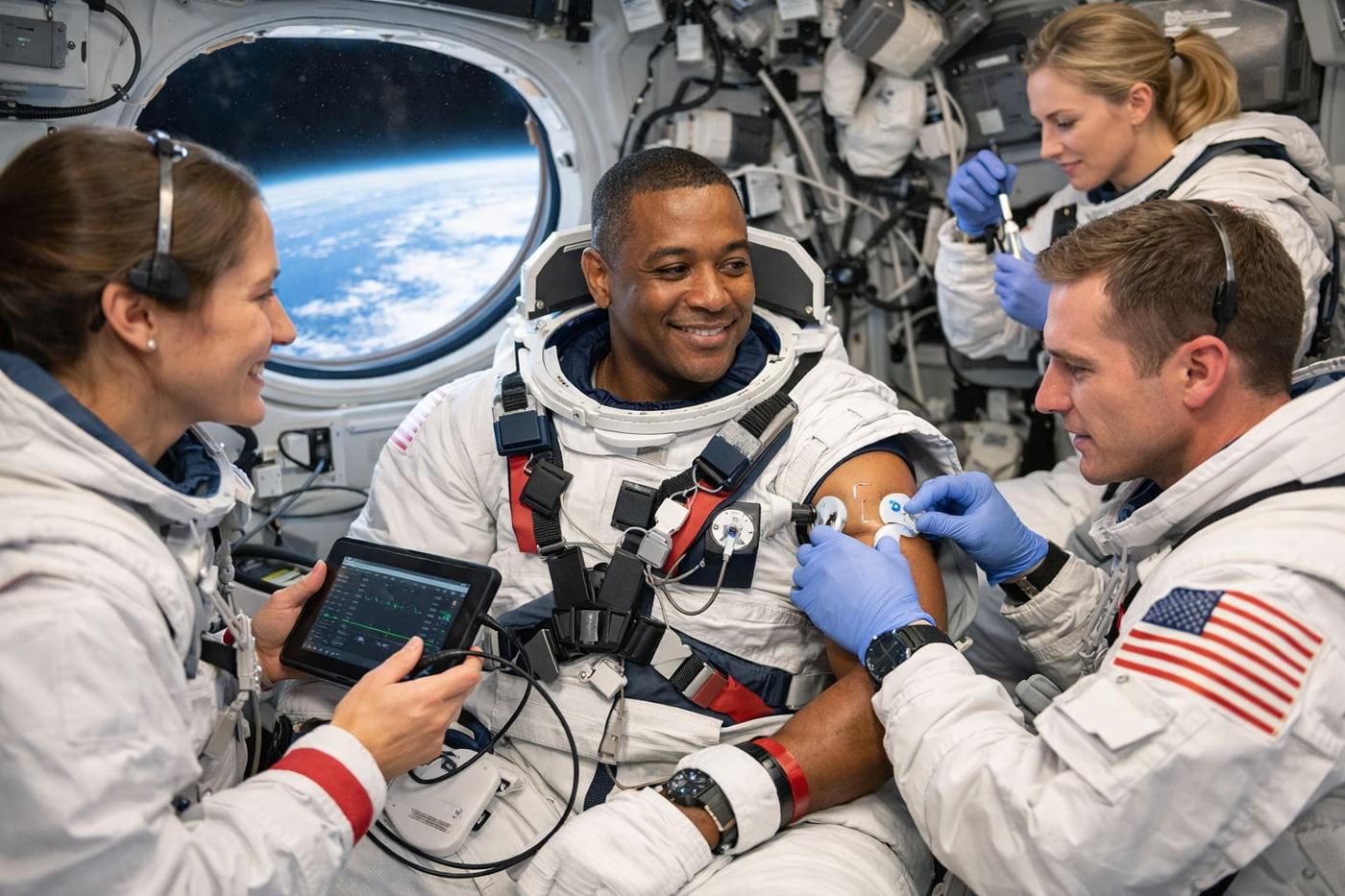
The Artemis II mission is providing valuable insights into the health risks astronauts face in space, particularly regarding radiation exposure. As the crew travels farther than any humans before, NASA is collecting data through sensors and biological samples to understand the effects of deep space on human health. This research is crucial for future missions to the Moon and Mars, where longer stays will increase health risks.
Why it's positive
This mission marks a significant step in understanding space health risks, paving the way for safer future explorations. The data collected will enhance our knowledge of human health in space.
Why it matters
Understanding space health risks is essential for the success of future long-duration missions to the Moon and Mars.
Why now
The Artemis II mission is currently underway, providing a unique opportunity to gather real-time data on astronaut health in deep space.
Impact analysis
The findings from this mission will inform NASA's approach to long-term space travel, particularly regarding radiation and mental health. This research could lead to improved safety protocols for astronauts. As space exploration advances, these insights will be vital for sustaining human life beyond Earth.
Regional map
Where this story sits
On this map
Artemis astronauts to shed light on space health risks
USA
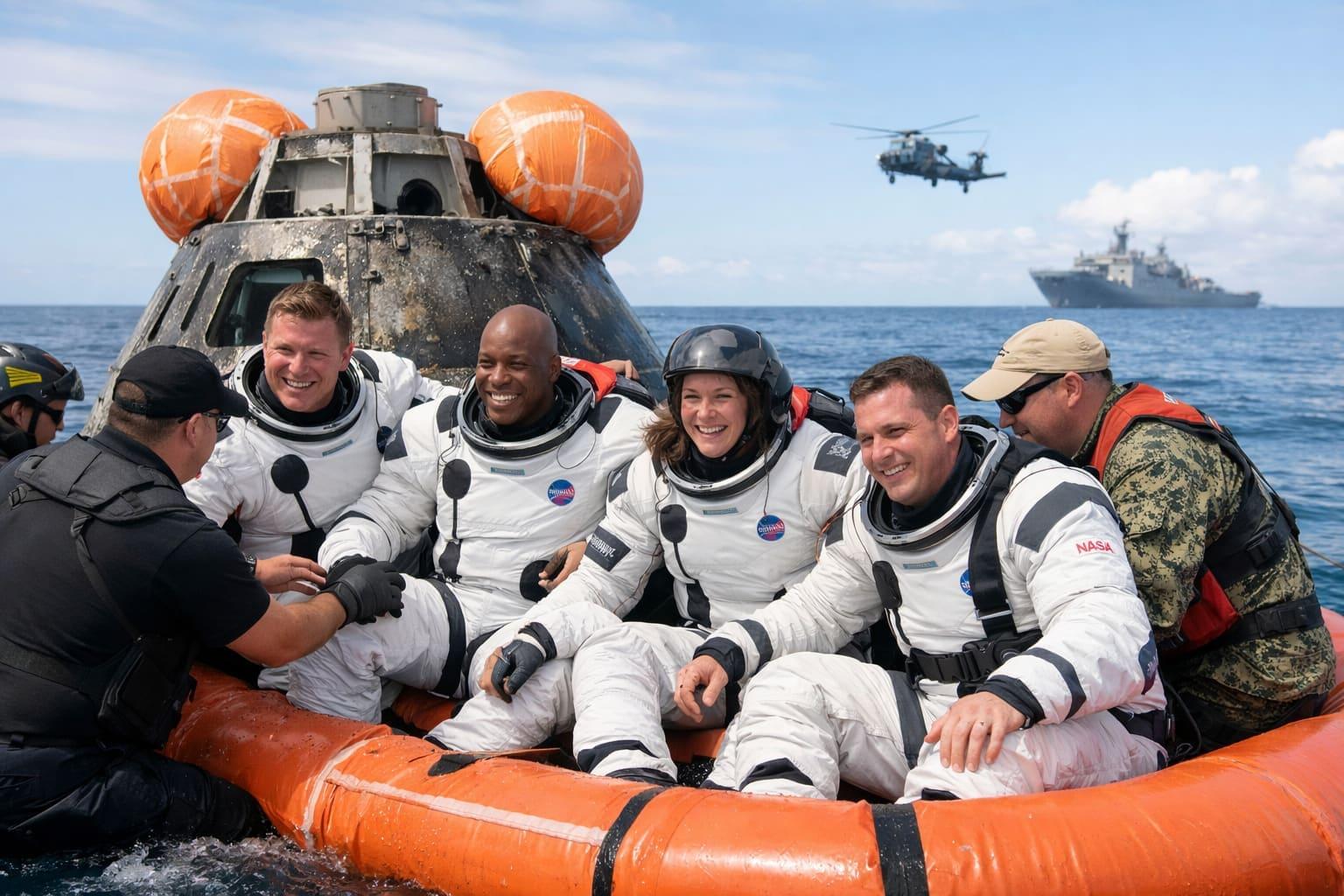
Artemis II crew to end record-setting mission with Pacific Ocean splashdown
USA
The Artemis II crew is set to conclude their historic 10-day mission with a splashdown in the Pacific Ocean, marking a significant milestone in space exploration. This mission has made the astronauts the first to travel beyond low Earth orbit since the Apollo program, paving the way for future lunar missions. The successful return not only showcases NASA's capabilities but also inspires global unity and interest in space science.
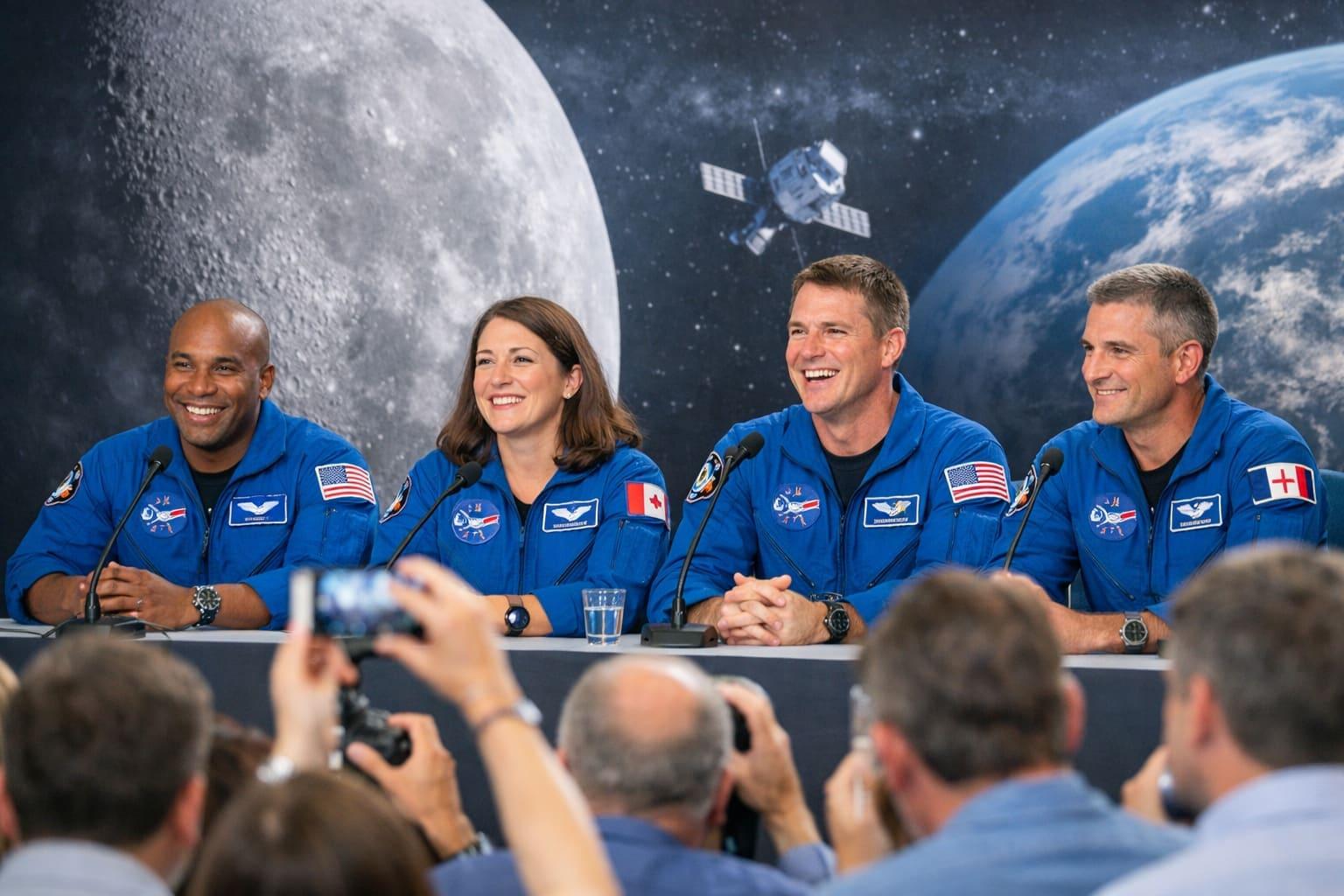
Artemis II crew hails ‘golden age of space travel’ as they prepare for return
USA
The Artemis II crew is set to return to Earth after a historic 10-day lunar flyby mission, celebrating what they call a 'golden age of space travel.' During a press conference, the astronauts expressed hope that their journey would inspire future generations. The mission has been described as a unifying effort, showcasing international collaboration and the limitless potential of space exploration.
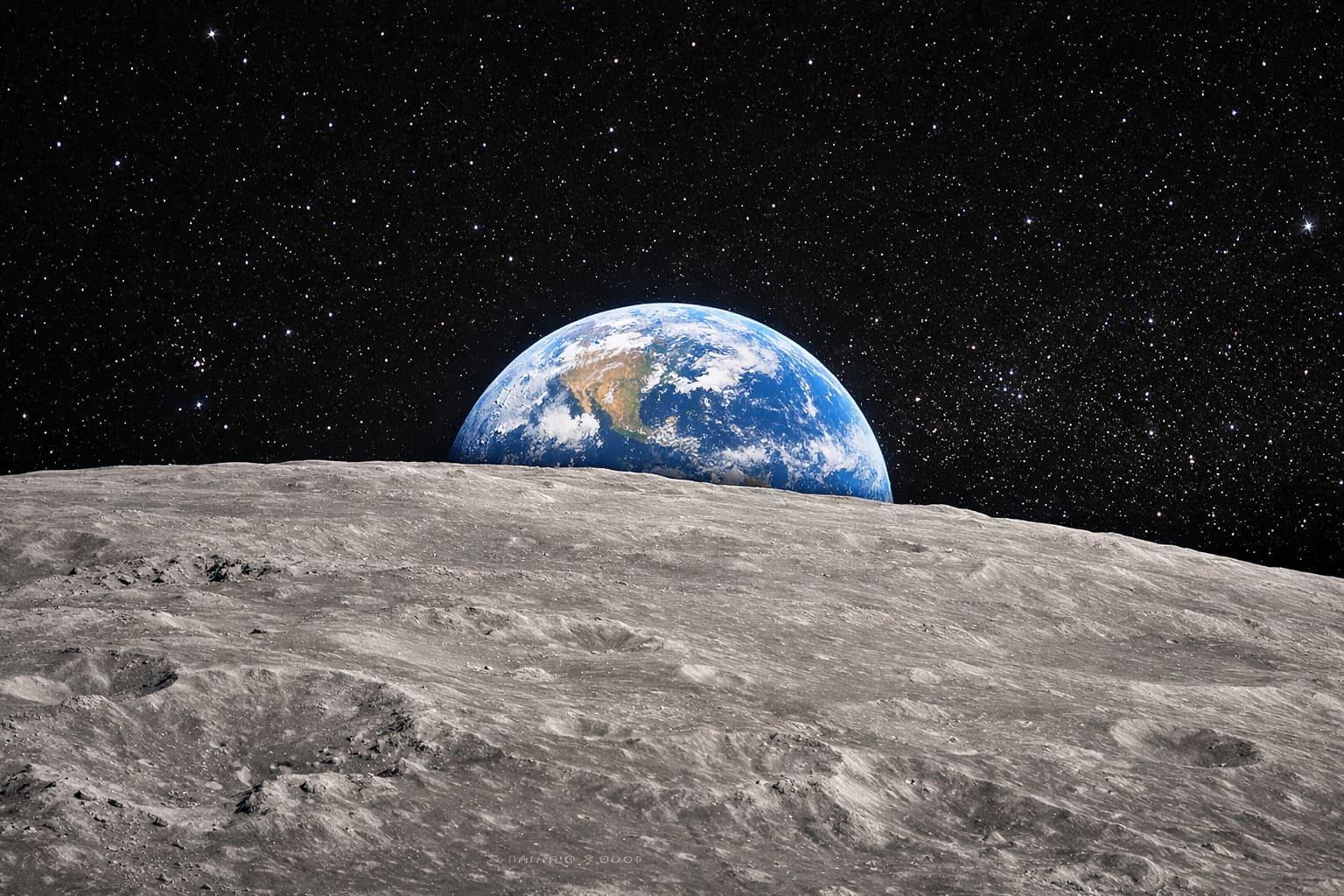
NASA releases picture of ‘Earthset’ shot by Artemis crew
USA
NASA has unveiled a stunning new photograph of Earth taken by the Artemis II crew during their lunar flyby. This image, reminiscent of the iconic 'Earthrise' photo from Apollo 8, showcases Earth slipping below the lunar horizon. The release of this image highlights the ongoing exploration of space and the beauty of our planet from afar.
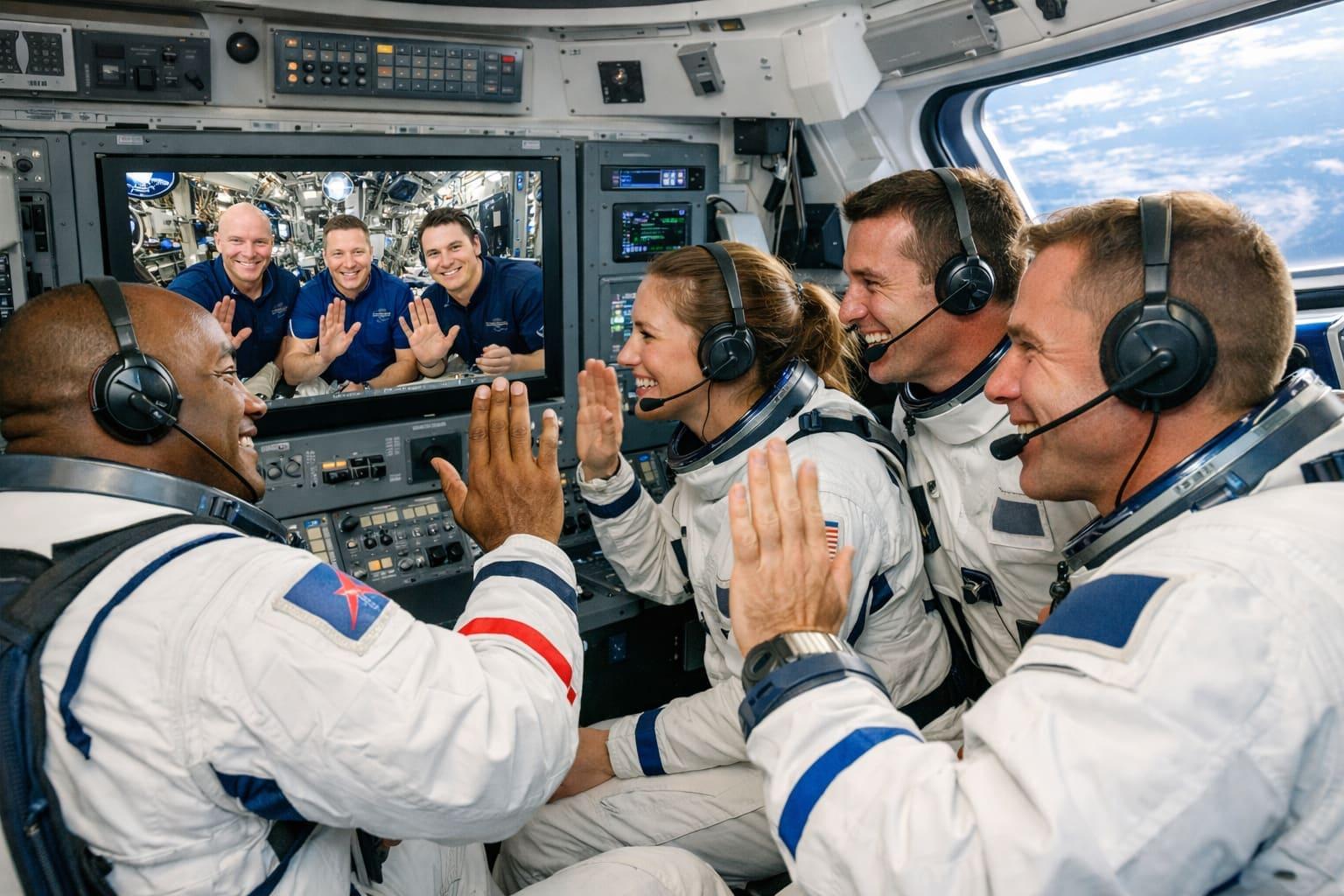
Artemis II astronauts make long-distance call to the space station as they head home from the moon
USA
The Artemis II mission continues to inspire as astronauts successfully communicate with the International Space Station during their return journey from the moon. This milestone showcases advancements in space exploration and international collaboration in science and technology.
Artemis II crew describe ‘overwhelming’ emotions after soaring past the moon
USA
The Artemis II crew has shared their profound emotions experienced while flying over the moon, capturing stunning images of its surface. Astronauts reported feelings of awe as they observed features like impact craters and the Earth rising behind the moon. This mission marks a significant milestone in human space exploration, showcasing the beauty and mystery of our lunar neighbor.
Artemis II: Crew snaps 'Earthset' in throwback to Apollo 8
USA
The Artemis II astronauts captured a stunning 'Earthset' photo as they prepare to return to Earth, reminiscent of the iconic Earthrise image from Apollo 8. This moment marks a significant achievement as the crew broke the record for the longest distance traveled from Earth by humans. Their mission is part of a broader initiative aimed at future moon landings, showcasing human ingenuity and exploration.