An enzyme produced by fungus may replace chemicals in the paper industry
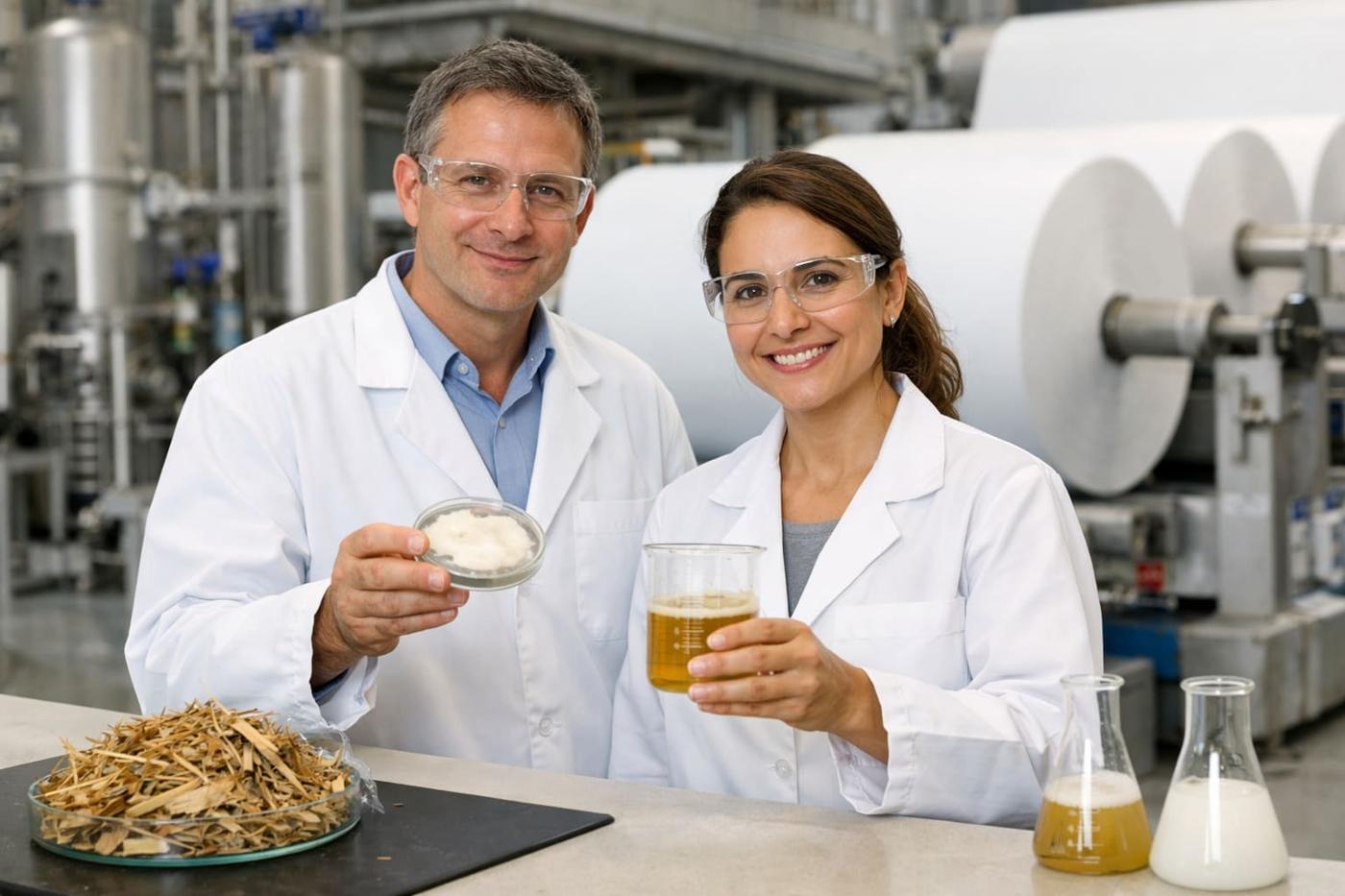
Researchers from the University of São Paulo and São Paulo State University have developed a sustainable enzyme from agricultural waste that can replace toxic chemicals in paper bleaching. This enzyme, extracted from a fungus, enhances the bleaching process while reducing environmental impact. The study highlights Brazil's potential in cleaner production technologies, especially in the eucalyptus pulp industry.
Why it's positive
This innovation represents a significant step towards sustainability in the paper industry by reducing reliance on harmful chemicals. It also promotes the use of agricultural waste, aligning with circular economy principles.
Why it matters
The development of this enzyme could lead to more environmentally friendly practices in a major global industry.
Why now
As industries seek sustainable alternatives to harmful chemicals, this research comes at a crucial time for environmental innovation.
Impact analysis
The enzyme's introduction could transform paper production processes, making them safer and more sustainable. This advancement not only benefits the environment but also positions Brazil as a leader in eco-friendly technologies. The potential for broader applications in other industries further amplifies its significance.
Regional map
Where this story sits
On this map
An enzyme produced by fungus may replace chemicals in the paper industry
Brazil