Braiding Knowledge: Indigenous Expertise and Western Science Converge

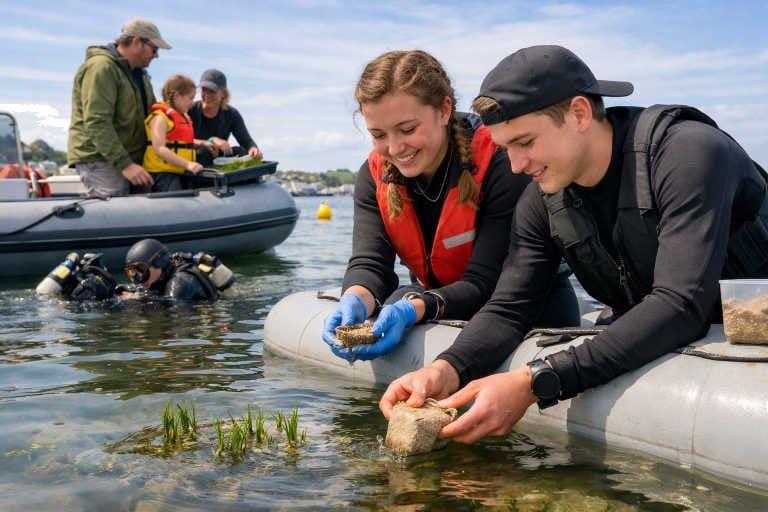
A growing collaboration between Indigenous communities and Western scientists is revitalizing ecosystems and promoting food sovereignty. Researchers are integrating Native practices with scientific methods, particularly in areas like clam gardening, to enhance biodiversity and restore traditional food sources. This shift not only acknowledges the value of Indigenous knowledge but also empowers communities to reclaim their heritage and manage their resources sustainably.
Why it's positive
This collaboration fosters a deeper understanding of ecosystems and strengthens community ties. It highlights the importance of diverse knowledge systems in addressing environmental challenges.
Why it matters
The integration of Indigenous knowledge with Western science is crucial for effective environmental management and cultural preservation.
Why now
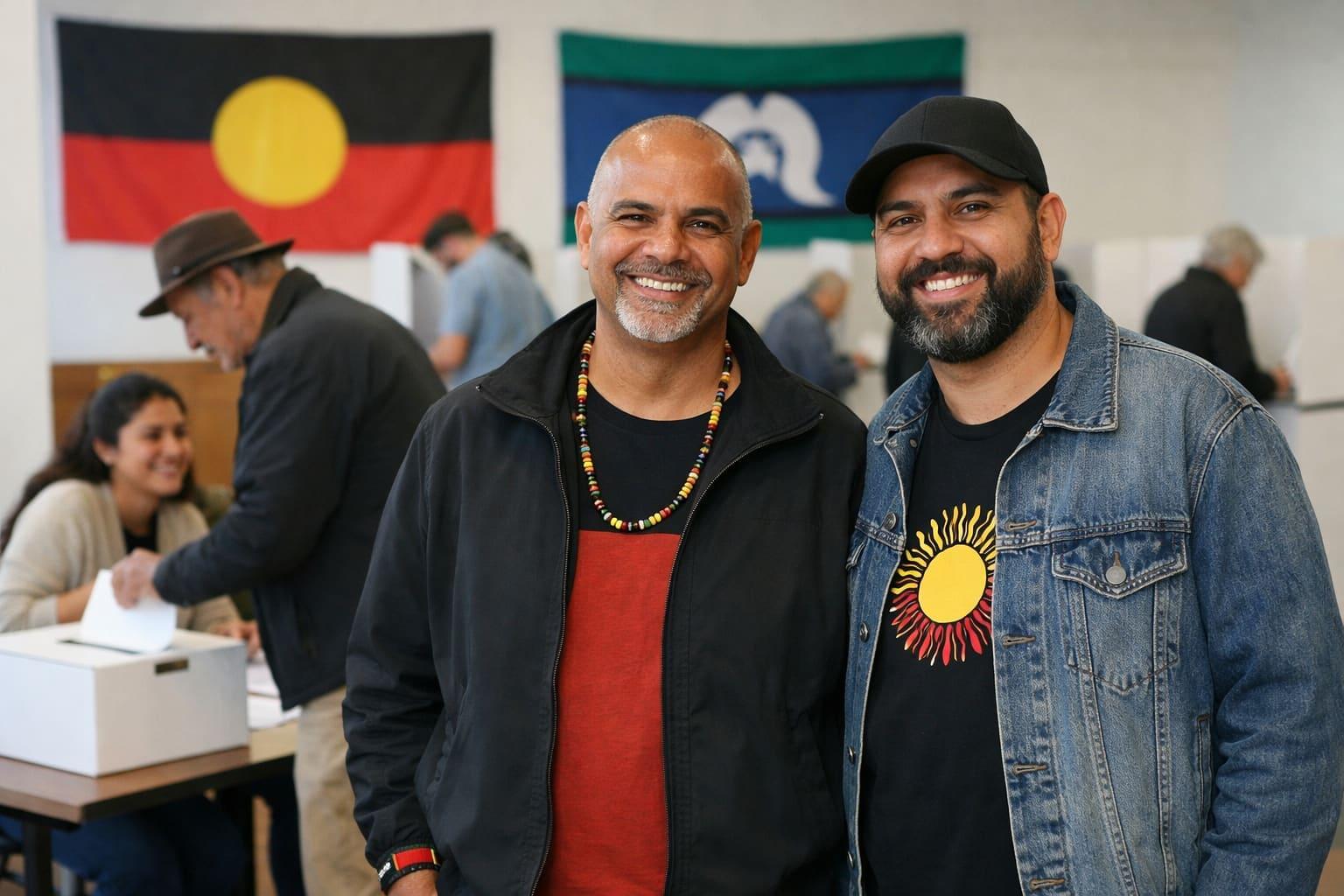
This moment reflects a growing recognition of the importance of Indigenous voices in environmental discussions, supported by recent federal funding and policy changes.
Impact analysis
The collaboration is expected to lead to more sustainable practices and improved ecological health. It also empowers Indigenous communities to reclaim their traditional practices and knowledge. As more partnerships form, the potential for innovative solutions to environmental issues increases.
Regional map
Where this story sits
On this map
Braiding Knowledge: Indigenous Expertise and Western Science Converge
Canada