Sick pay rule changes to benefit up to 9.6m UK workers, TUC says

The UK is set to implement new sick pay rules that will benefit approximately 9.6 million workers, allowing them to receive pay from their first day of illness. This change, part of the Employment Rights Act 2025, aims to support lower-income households and those previously ineligible for sick pay. The Trades Union Congress (TUC) highlights that this policy has garnered significant public support, with 76% of surveyed individuals in favor of the changes.
Why it's positive
This initiative represents a significant step towards improving worker rights and financial security for millions. It addresses the needs of vulnerable populations, particularly women and lower-income workers.
Why it matters
The changes will alleviate financial pressure on households, enabling workers to prioritize their health without the fear of lost income.
Why now
The implementation of these changes comes at a time when many workers are facing economic challenges, making it crucial to enhance their support systems.
Impact analysis
The new sick pay rules are expected to have a broad impact on the workforce, particularly benefiting those in lower-income brackets. By providing immediate financial support, the policy aims to improve public health outcomes and reduce the spread of illness. This initiative reflects a growing recognition of the importance of worker rights in the current economic climate.
Regional map
Where this story sits
On this map
Sick pay rule changes to benefit up to 9.6m UK workers, TUC says
United Kingdom
Abandoned Battle of Britain control tower to become a home for holidaymakers … and six species of bat
United Kingdom
The derelict control tower at former RAF Ibsley in Hampshire is set to be transformed into a holiday home by the Landmark Trust. This project will not only provide accommodation for visitors but also preserve the habitat for six species of bats that have made the tower their home. The plan has received council approval and aims to balance heritage conservation with ecological protection.
Ministers unveil ‘right to try’ plan to help disabled people find work
United Kingdom
The UK government has introduced a new 'right to try' policy, allowing disabled individuals to explore work opportunities without the fear of losing their benefits. This initiative aims to alleviate the concerns that have previously hindered disabled people from seeking employment. While campaigners appreciate the move, they emphasize the need for further support to address workplace challenges.
Camel calf Sophia born at Whipsnade Zoo, boosting conservation focus
United Kingdom
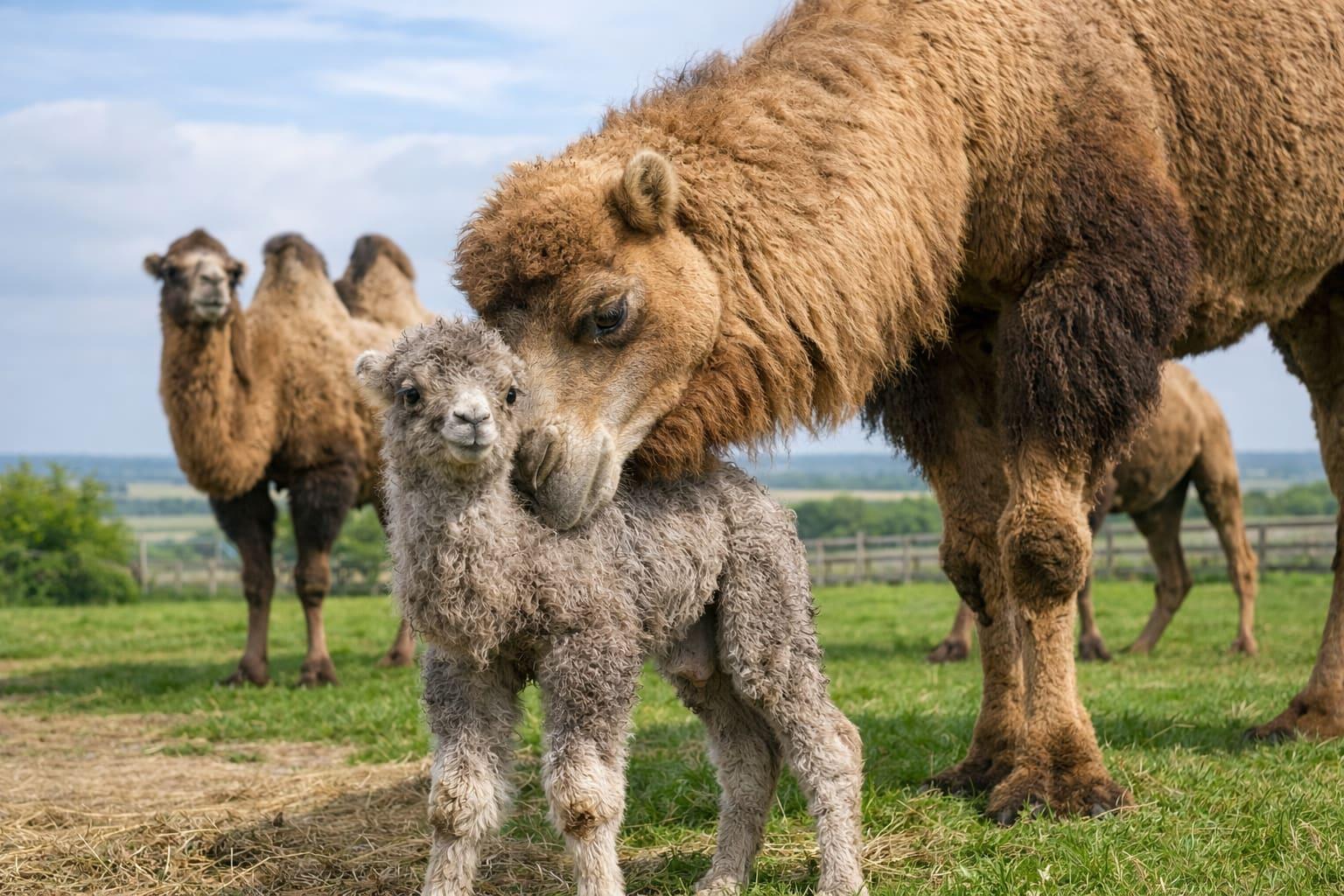
A Bactrian camel calf named Sophia has been born at Whipsnade Zoo, contributing to the zoo's conservation efforts as it prepares to celebrate its 200th anniversary. This birth increases the herd to eight and raises awareness for the critically endangered wild camel species. The naming honors Sophia Raffles, a pioneer in zoological history.
‘Nothing prepares you’: The invisible lives of carers in the UK
West London, United Kingdom
The article highlights the challenges faced by unpaid carers in the UK, particularly focusing on personal stories of individuals like Minreet Kaur and Bill Singh. These carers navigate immense emotional and physical strain while providing essential support to their loved ones, often without adequate recognition or resources. Despite the difficulties, their dedication and resilience shine through, showcasing the vital role they play in the healthcare system.
The Kids’ Quiz: Fun Questions to Spark Curiosity
United Kingdom
A new kids' quiz features five engaging multiple-choice questions designed by children, covering topics from lightbulbs to pandas. This interactive format encourages kids to think critically and creatively while having fun. Parents and educators can also submit their own questions for future quizzes, fostering a community of learning.
UK Shows Signs of Earliest Spring on Record
United Kingdom
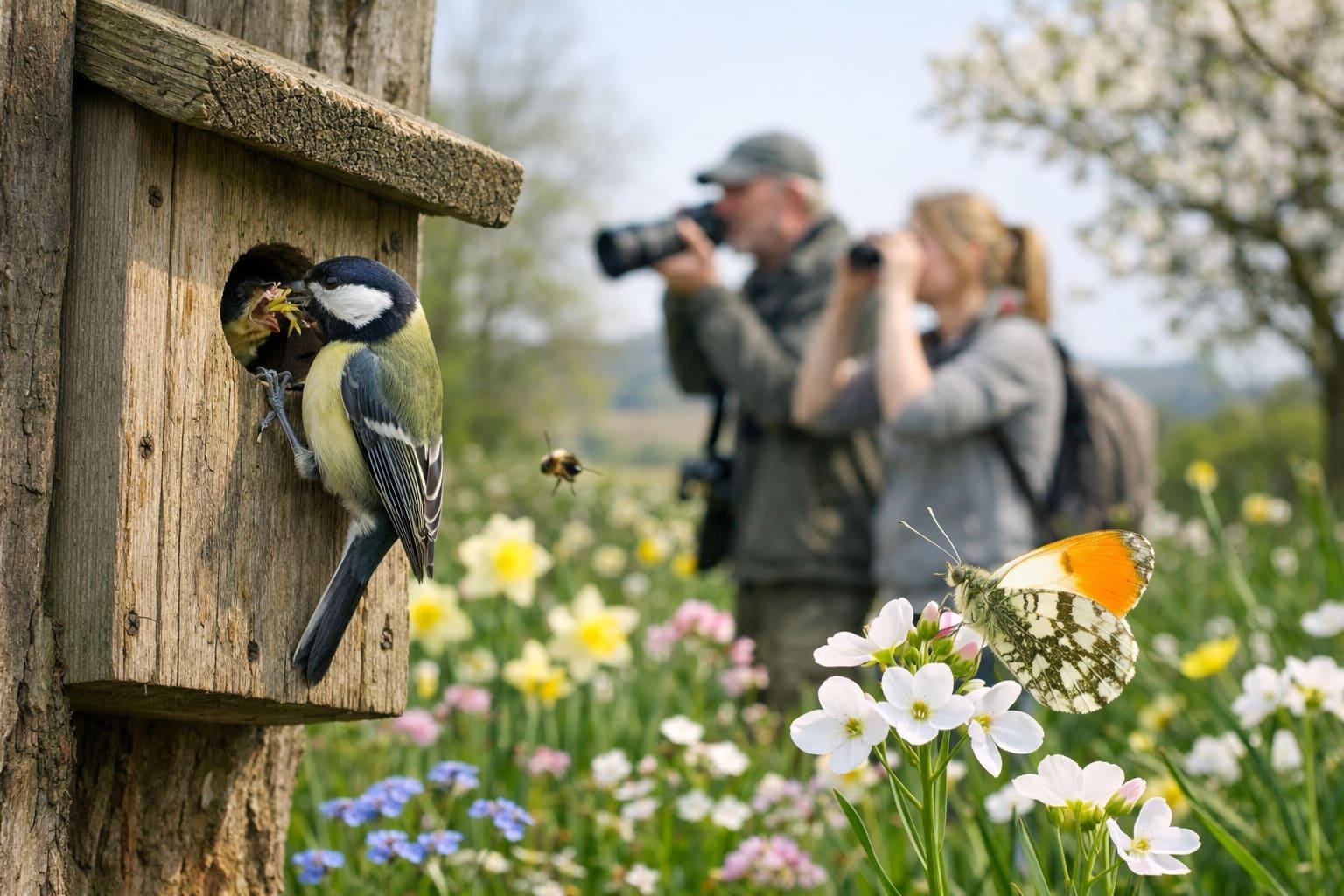
The UK is experiencing its earliest spring on record, with notable early occurrences of flowering, nesting, and insect activity. Citizen science data indicates that species like great tits and orange-tip butterflies are adapting to these changes, with egg-laying and emergence happening significantly earlier than in previous years. This trend reflects the broader impacts of climate change on seasonal patterns.