Russia and Ukraine agree to truce for Orthodox Easter
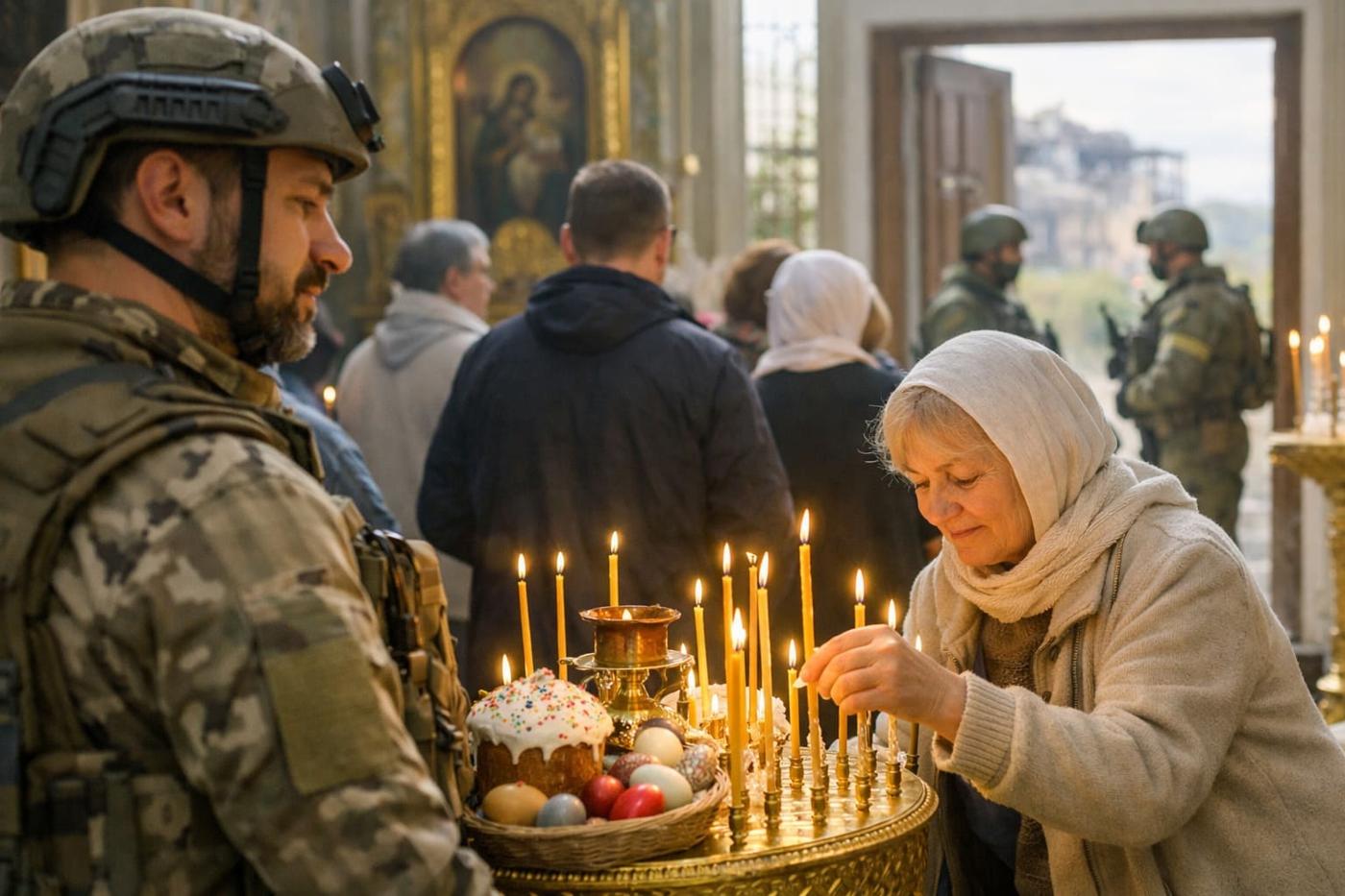
In a significant development, Russia and Ukraine have agreed to a truce for Orthodox Easter, with Russian President Vladimir Putin ordering a ceasefire. This truce is set to take effect from April 11 through Easter Sunday, allowing for a brief respite from ongoing hostilities. Ukrainian President Volodymyr Zelensky expressed hope for a peaceful Easter, emphasizing the need for a break from violence and a step towards lasting peace.
Why it's positive
This truce offers a rare opportunity for peace during a time of conflict, allowing both nations to observe a significant religious holiday without the threat of violence. It reflects a willingness from both sides to consider temporary pause
Why it matters
A ceasefire during Orthodox Easter could foster goodwill and pave the way for future negotiations between Russia and Ukraine.
Why now
The timing coincides with the Orthodox Easter celebrations, a period traditionally associated with peace and reflection, making it a poignant moment for a truce.
Impact analysis
If the truce holds, it could provide much-needed relief for civilians and soldiers alike, allowing families to celebrate Easter without fear. However, skepticism remains regarding the durability of this ceasefire, given past violations. The international community will be closely monitoring the situation to assess its implications for future peace talks.
Regional map
Where this story sits
On this map
Russia and Ukraine agree to truce for Orthodox Easter
Ukraine
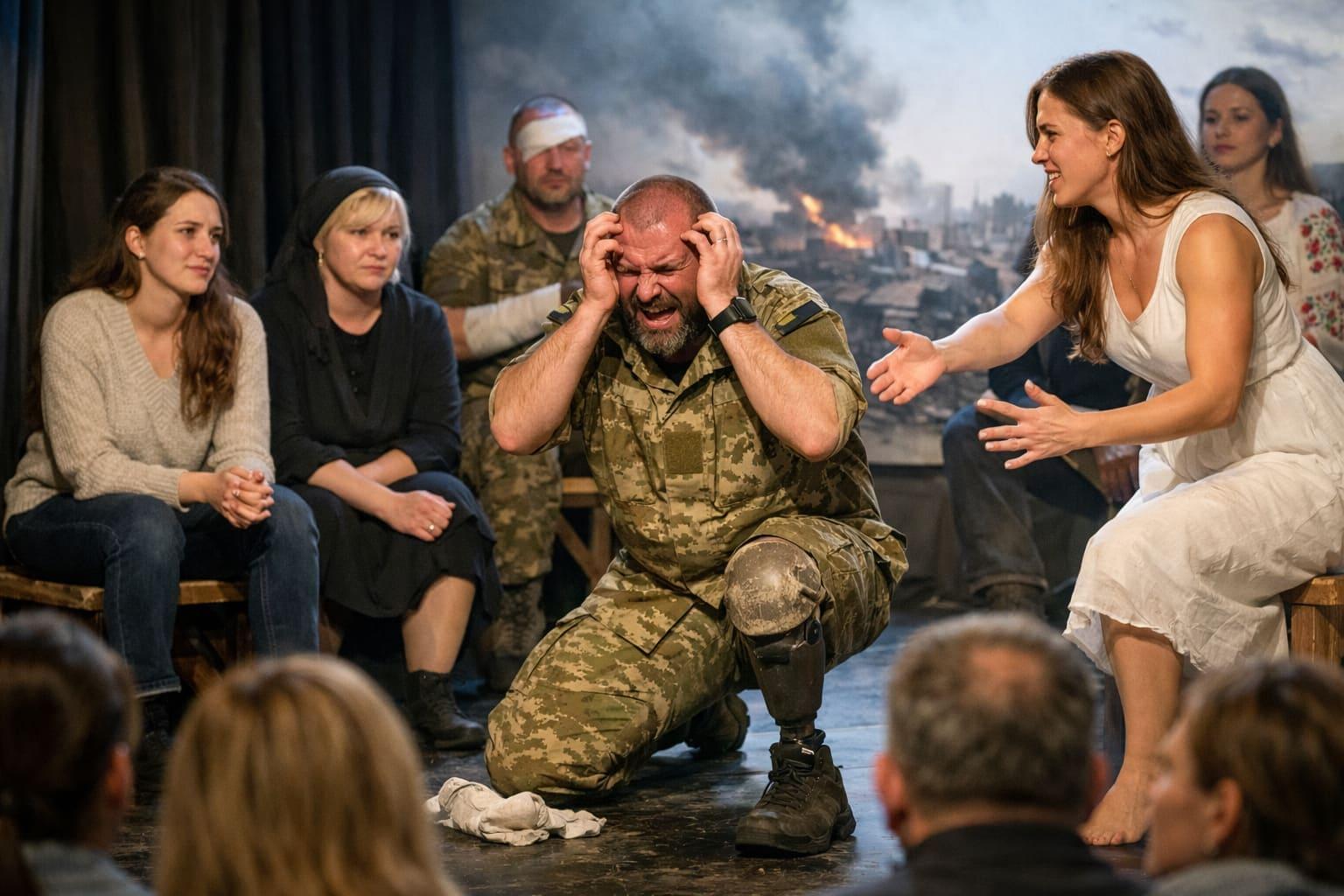
Ukraine’s veterans’ theatre turns war wounds into catharsis
Kyiv, Ukraine
In Kyiv, a veterans' theatre is providing a platform for wounded soldiers, their wives, and widows to express their experiences through plays. This initiative not only serves as a form of therapy but also aims to document the realities of war for future generations. The emotional performances resonate deeply with audiences, creating a collective catharsis that highlights the struggles faced by those affected by the ongoing conflict.
Over 1.6 million Ukrainians returned home to frontline areas despite Russian attacks, report shows
Ukraine
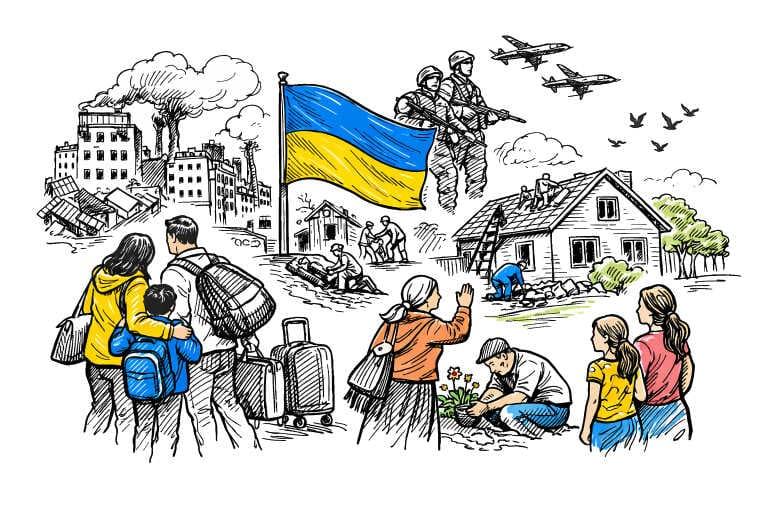
A recent report indicates that over 1.6 million Ukrainians have returned to frontline areas, such as Kharkiv and Donetsk, despite ongoing Russian attacks. This trend highlights the resilience and determination of individuals who prioritize their sense of home over safety concerns. The findings from Save the Children emphasize the emotional pull of home, even in challenging circumstances.