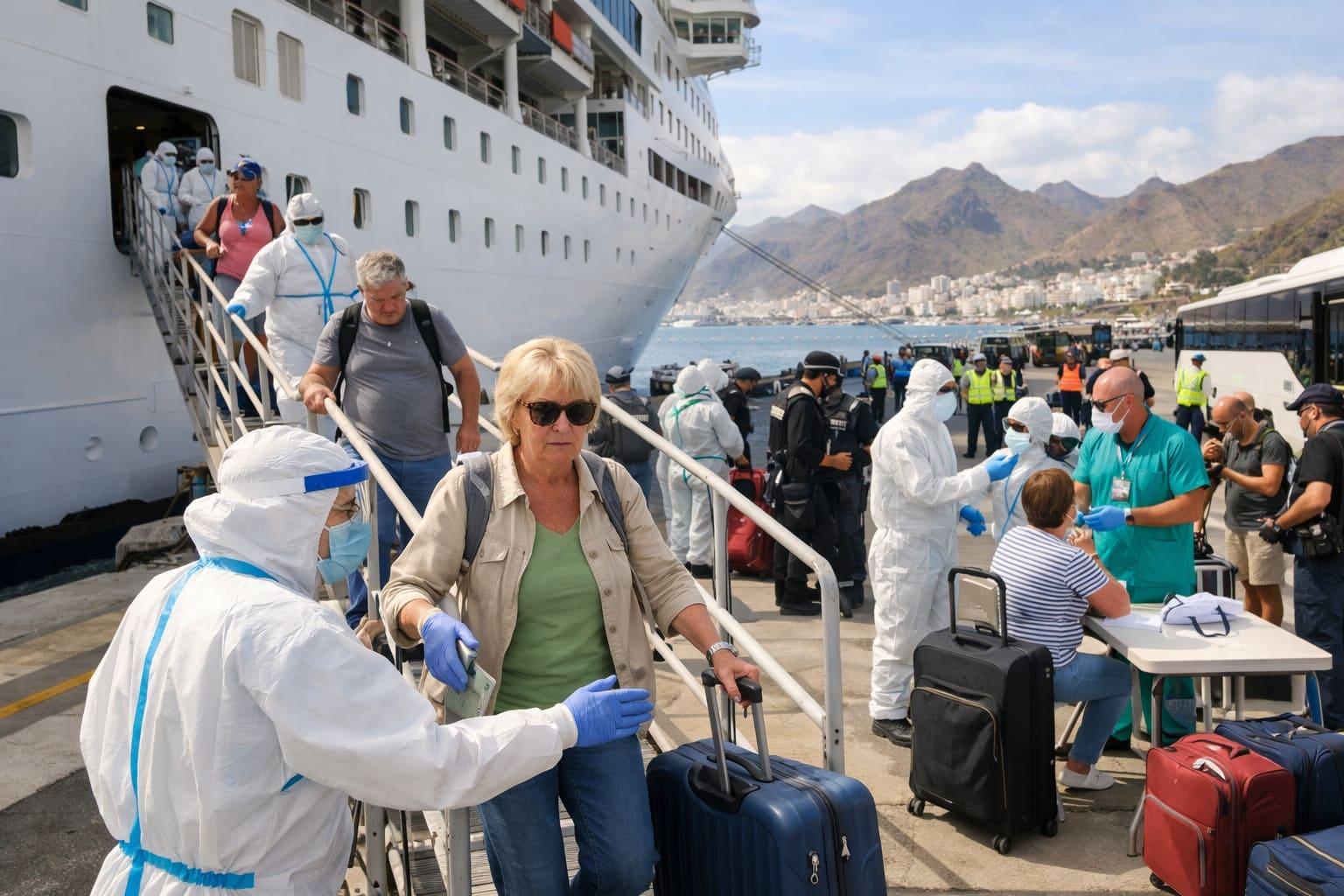
Passengers on Hantavirus Cruise Ship Will Disembark in Tenerife and Return to Home Countries
Passengers aboard a cruise ship affected by hantavirus will disembark in Tenerife, Spain, and return to their home countries. This evacuation comes as health authorities respond to the situation, ensuring the safety of all individuals involved. The coordinated effort highlights the importance of public health measures in managing outbreaks.
The story
On May 9, 2026, a cruise ship carrying passengers infected with hantavirus docked in Tenerife, Spain, prompting a coordinated evacuation effort by health authorities. The ship, which had been on a Mediterranean cruise, became a focal point of concern after several passengers exhibited symptoms associated with the virus, which is primarily transmitted through contact with rodent droppings, urine, or saliva. Upon arrival, health officials quickly mobilized to ensure the safe disembarkation of all individuals on board. Passengers were screened for symptoms and provided with medical evaluations to assess their health status. The evacuation process was meticulously planned, with authorities ensuring that all necessary precautions were taken to prevent any potential spread of the virus. Passengers were then arranged for flights back to their home countries, which included travelers from various nations, highlighting the international nature of the incident. Health officials emphasized the importance of monitoring the situation closely, as they worked to trace any potential contacts and assess the risk of further transmission. This incident underscores the critical role of public health measures in managing outbreaks and ensuring the safety of individuals in travel settings. The rapid response from health authorities reflects a growing awareness of the need for preparedness in the face of infectious disease threats, particularly in environments where large groups of people congregate, such as cruise ships.
Why it matters
The hantavirus outbreak on the cruise ship serves as a stark reminder of the ongoing challenges posed by infectious diseases in our increasingly interconnected world. Rapid response in public health crises is crucial, as demonstrated by the swift evacuation of passengers, which not only protects their health but also mitigates the risk of a wider outbreak. This incident highlights the importance of effective communication and coordination among health authorities, cruise lines, and international agencies to manage potential health threats. The successful handling of this situation may serve as a model for future responses to similar outbreaks, emphasizing the need for vigilance and preparedness in public health. As global travel continues to rise, the potential for disease transmission across borders increases, making it imperative for health systems to remain alert and responsive to emerging threats. This incident also raises awareness about the importance of educating travelers on health risks associated with various destinations, particularly in regions where zoonotic diseases are prevalent.
Evidence and context
The hantavirus outbreak on the cruise ship is a significant reminder of the interconnectedness of global health and the challenges posed by infectious diseases in a world where travel is commonplace. As international travel continues to increase, so does the risk of disease transmission across borders, making it essential for countries to work together to monitor and manage health threats. This incident may lead to enhanced protocols for monitoring and managing infectious diseases in travel settings, emphasizing the need for international collaboration in public health. The World Health Organization (WHO) and other health agencies may take this opportunity to review and strengthen guidelines for cruise lines and other travel-related industries, ensuring that they are equipped to handle potential outbreaks effectively. Furthermore, this situation could prompt discussions about the importance of public health education for travelers, encouraging individuals to be aware of health risks associated with their destinations. The incident also highlights the need for ongoing research into zoonotic diseases, which are transmitted from animals to humans, as well as the importance of understanding the ecological factors that contribute to the emergence of such diseases. As the world grapples with the realities of climate change and urbanization, the potential for new infectious diseases to emerge and spread will likely increase, necessitating a proactive and coordinated global response.
Limits and unknowns
Hantavirus has been recognized as a public health concern since the early 1990s, when it was first identified in the United States following an outbreak linked to rodent populations in the Four Corners region. The virus can cause severe respiratory illness, known as hantavirus pulmonary syndrome (HPS), and its transmission is often associated with exposure to contaminated environments, particularly in rural areas where rodents are prevalent. Over the years, various outbreaks have been reported globally, with cases linked to different hantavirus strains. The emergence of hantavirus as a significant health threat reflects ongoing challenges in managing infectious diseases in a globalized world, where human encroachment into wildlife habitats and changing environmental conditions can facilitate the spread of zoonotic diseases. This incident aboard the cruise ship serves as a contemporary example of these challenges, illustrating the need for robust public health measures and international cooperation to address the risks posed by infectious diseases.
What happens next
In the coming days, it will be important to monitor updates from health authorities regarding the status of the passengers evacuated from the cruise ship and any further developments related to the hantavirus outbreak. Health officials will likely continue to conduct contact tracing and monitoring to assess the potential spread of the virus. Additionally, watch for potential changes in travel regulations and health protocols in response to this incident, particularly for cruise lines and other travel-related industries. The situation may prompt discussions about the need for enhanced health screenings and preventive measures to protect travelers from infectious diseases. As the global community responds to this outbreak, it will be crucial to stay informed about any new guidelines or recommendations issued by health organizations, as well as any emerging research on hantavirus and other zoonotic diseases.
Follow the story
Share it, watch the explainer, or continue with the reporting trail.
Story timeline
Cruise Ship Docking
The cruise ship docks in Tenerife for passenger evacuation.
Health Authorities Respond
Health officials begin coordinating the safe disembarkation of passengers.
Evacuation of Passengers
Passengers are evacuated and prepared for return to their home countries.
Further reading on this topic
2 links
Passengers on Hantavirus Cruise Ship Will Disembark in Tenerife and Return to Home Countries
A short visual explainer for readers who want the story in a different rhythm.