Neanderthal Dentists: Evidence of Ancient Dental Care
A recent study reveals that Neanderthals used stone drills to treat cavities nearly 60,000 years ago, showcasing their advanced dental practices. The findings, based on a molar from Chagyrskaya Cave, indicate that Neanderthals could identify dental issues and perform procedures to alleviate pain. This discovery highlights the sophistication of Neanderthal medical knowledge and skills.
The story
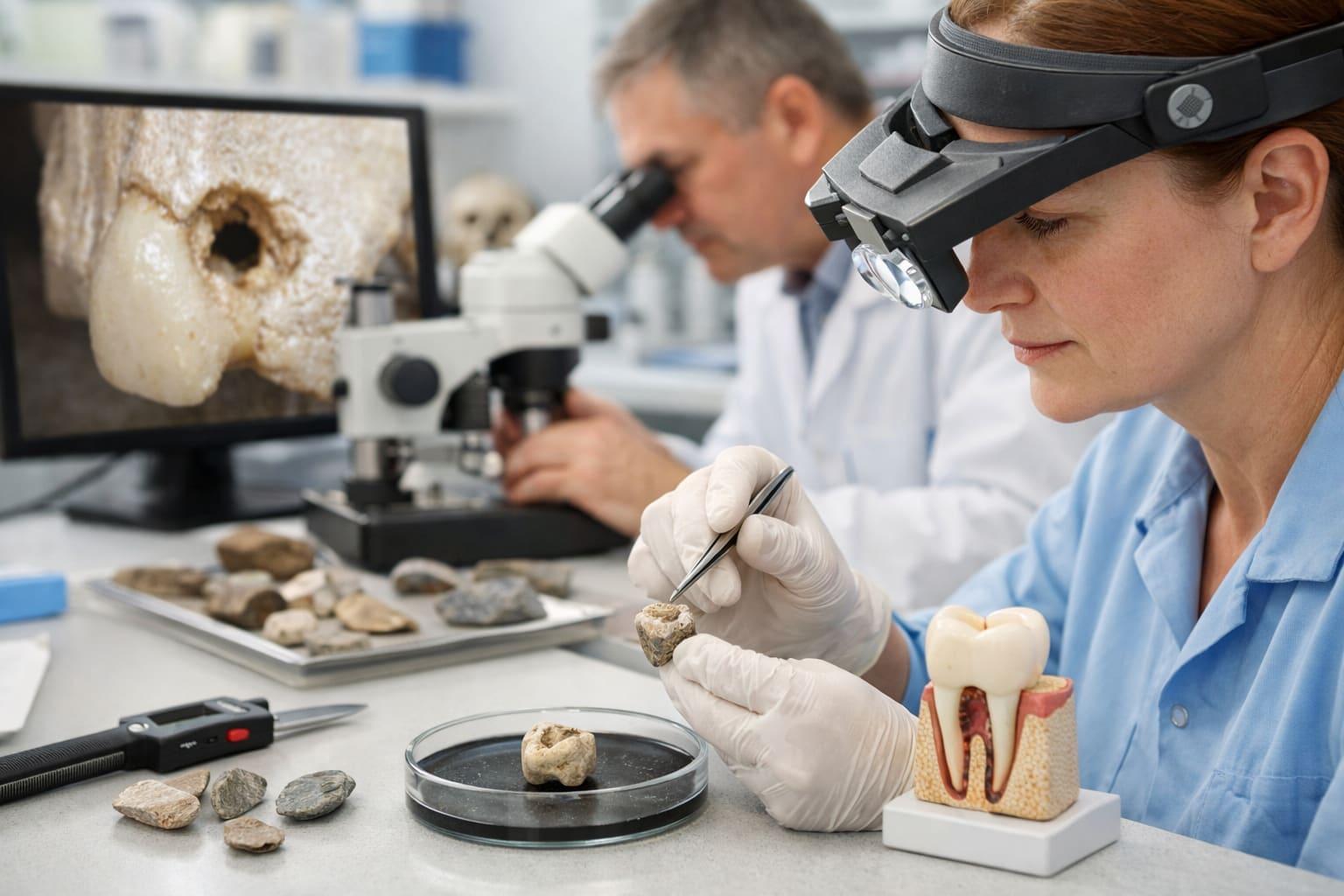
A groundbreaking study published on May 13, 2026, in the journal PLOS One reveals that Neanderthals were capable of performing dental procedures nearly 60,000 years ago. Researchers from the Peter the Great Museum of Anthropology and Ethnography in St. Petersburg, led by Alisa Zubova, examined a molar tooth discovered in Chagyrskaya Cave, located in southwestern Siberia. This ancient tooth, designated as Chagyrskaya 64, exhibits a drilled cavity that extends into the pulp chamber, indicating that it had been intentionally treated for infection. The researchers conducted experiments on modern human teeth to replicate the drilling patterns found on the Neanderthal molar, confirming that the damage was consistent with the use of stone tools similar to those unearthed in the cave. The findings suggest that Neanderthals not only recognized dental issues but also possessed the manual dexterity and knowledge necessary to perform invasive procedures to alleviate pain. This discovery marks the oldest known evidence of dental intervention, predating similar practices in Homo sapiens by over 40,000 years. The study also highlights the presence of toothpick grooves on the molar, further indicating that Neanderthals engaged in oral hygiene practices. The researchers concluded that the modifications to the tooth were not the result of natural damage but rather intentional actions aimed at treating dental ailments. This evidence challenges previous assumptions about Neanderthal capabilities and suggests a more complex understanding of health and medicine among early human populations.
Why it matters
The implications of this research are profound, as it challenges long-held perceptions of Neanderthals as primitive beings lacking advanced medical knowledge. The ability to diagnose and treat dental issues indicates a level of sophistication in their understanding of health that was previously underestimated. This finding not only reshapes our understanding of Neanderthal life but also contributes to the broader narrative of human evolution, highlighting the development of medical practices in early societies. By recognizing that Neanderthals engaged in complex health interventions, we gain insights into the cognitive abilities and social structures of these ancient populations. This research underscores the importance of archaeological discoveries in revealing the intricacies of human history and the evolution of medical knowledge, which continues to inform contemporary practices.
Evidence and context
The discovery of Neanderthal dental practices invites a broader discussion about the evolution of medical knowledge and practices among early human populations. It highlights the continuity of human ingenuity in addressing health challenges, suggesting that the roots of medical intervention may extend back further than previously thought. This finding not only enriches our understanding of Neanderthals but also encourages a reevaluation of the medical practices of other ancient cultures. As researchers continue to uncover evidence of health-related behaviors in prehistoric populations, we may gain valuable insights into the development of healthcare systems and practices that have persisted through millennia. Furthermore, this discovery emphasizes the importance of interdisciplinary research, combining archaeology, anthropology, and medicine to create a more comprehensive picture of human history. The implications of this research extend to contemporary discussions about the evolution of healthcare, as understanding how ancient populations dealt with health issues can inform modern practices and highlight the enduring nature of human resilience in the face of adversity.
Limits and unknowns
Historically, Neanderthals have often been portrayed as less advanced than their Homo sapiens counterparts, primarily due to their tool-making abilities and survival skills. However, recent discoveries, including evidence of dental interventions, challenge this narrative. The Chagyrskaya molar serves as a testament to the complexity of Neanderthal life, suggesting that they possessed a level of sophistication in their understanding of health and medicine that rivals that of early modern humans. This finding adds to a growing body of evidence that highlights the cognitive capabilities of Neanderthals, suggesting that they engaged in behaviors that reflect a deep understanding of their environment and their own bodies. As archaeological techniques advance and more discoveries are made, our understanding of Neanderthals continues to evolve, revealing a more intricate picture of their lives and their place in human history.
What happens next
Looking ahead, future research may focus on further archaeological discoveries that could shed light on Neanderthal medical practices and their implications for understanding early human health care. Studies comparing Neanderthal and early Homo sapiens medical interventions could provide deeper insights into the evolution of health care practices and the cognitive abilities of these ancient populations. Additionally, observing how these findings influence public perception of Neanderthals will be important, as they challenge long-standing stereotypes and encourage a more nuanced understanding of our evolutionary relatives. As researchers continue to explore the complexities of Neanderthal life, we may uncover more evidence of their cultural and cognitive sophistication, further enriching our understanding of human history.
Follow the story
Share it, watch the explainer, or continue with the reporting trail.
Story timeline
Neanderthal Molar Discovery
A 59,000-year-old Neanderthal molar exhibiting evidence of dental treatment is analyzed.
Publication of Study
The study detailing the findings is published in the journal PLOS One.
Experimental Drilling
Researchers conduct experiments to replicate the drilling patterns found on the Neanderthal tooth.
Further reading on this topic
3 links
Neanderthal Dentists: Evidence of Ancient Dental Care
A short visual explainer for readers who want the story in a different rhythm.