Mexico: Miner rescued alive after 14 days trapped underground
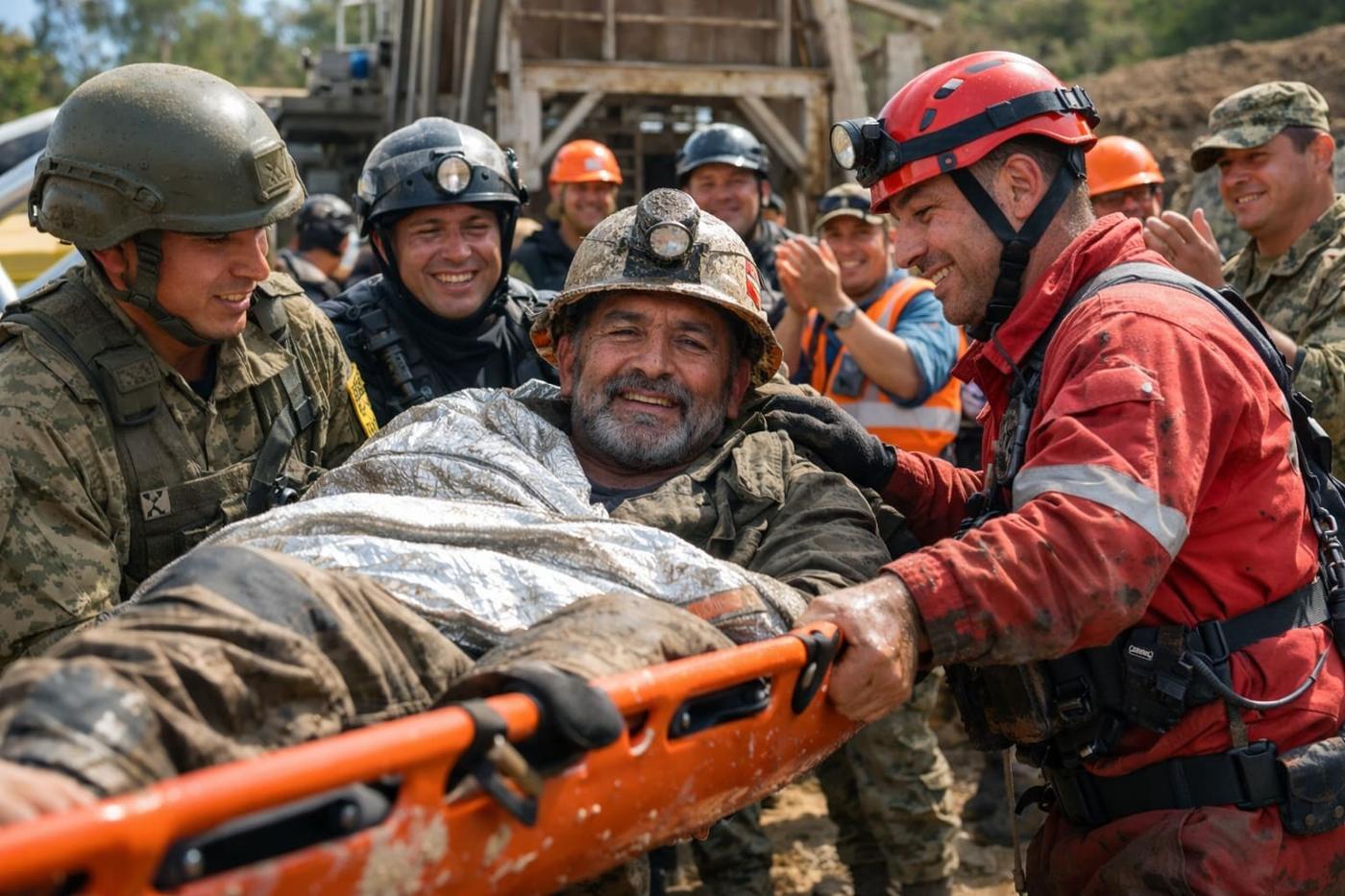
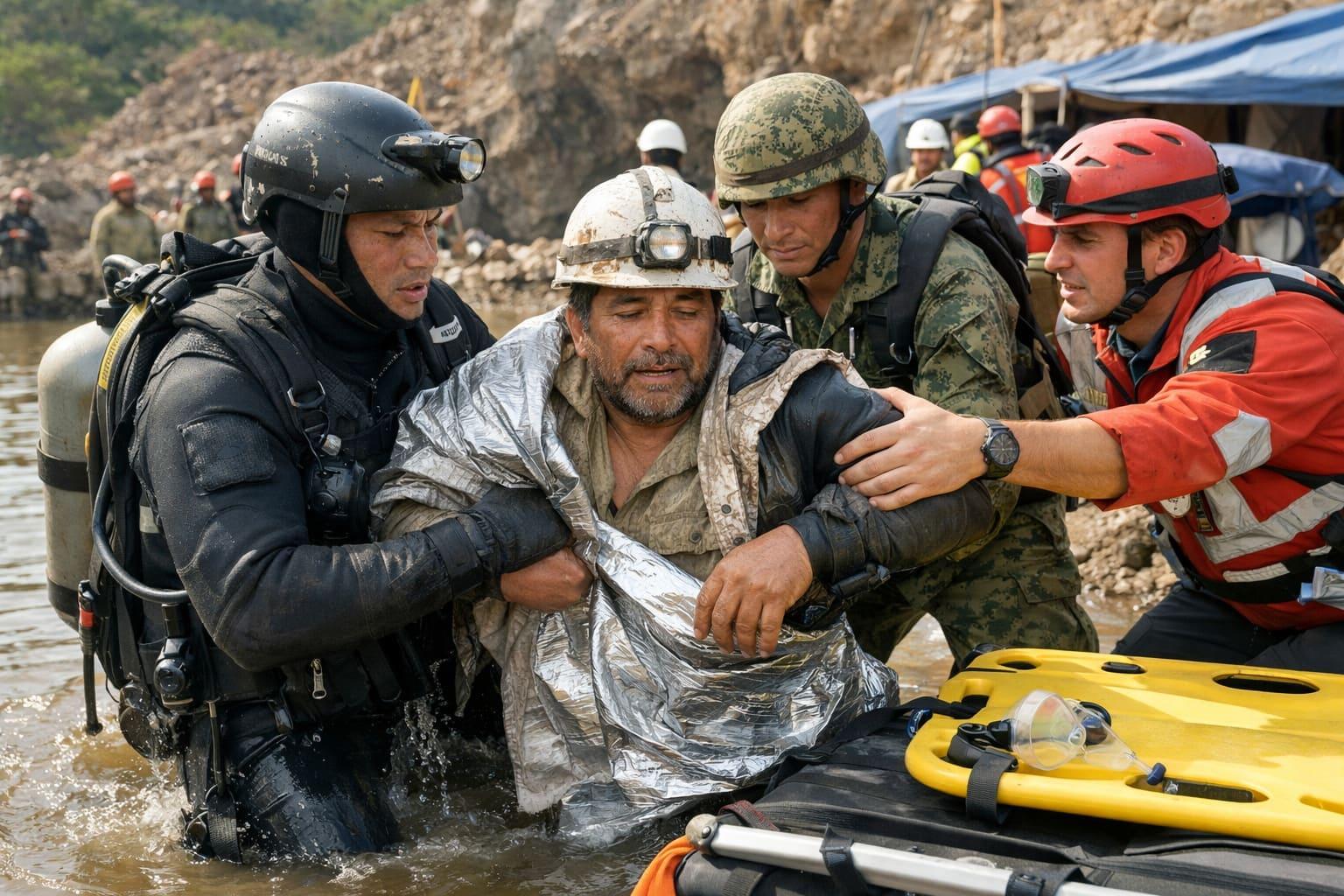
In a remarkable rescue, a miner was pulled alive from a flooded gold and silver mine in Mexico after being trapped for 14 days. The operation involved military divers and emergency teams who worked tirelessly to pump water from the mine and reach the survivor. While two other miners tragically lost their lives, the successful rescue has brought a sense of hope and relief in a challenging industry.
Why it's positive
The successful rescue of the miner showcases the dedication and skill of the rescue teams, bringing hope to families and communities affected by mining accidents.
Why it matters
This event highlights the ongoing challenges and dangers faced in the mining industry, emphasizing the need for improved safety standards.
Why now
The rescue comes at a time when mining safety is under scrutiny, following previous incidents that raised concerns about industry practices.
Impact analysis
The rescue operation not only saved a life but also sparked discussions about mining safety regulations in Mexico. It serves as a reminder of the risks miners face and the importance of stringent safety measures. The incident may lead to increased advocacy for better working conditions in the mining sector.
Regional map
Where this story sits
On this map
Mexico: Miner rescued alive after 14 days trapped underground
Mexico
Man rescued after two weeks trapped in collapsed Mexico mine
Sinaloa, Mexico
A man has been successfully rescued after being trapped for nearly two weeks in a flooded gold mine in Sinaloa, Mexico. Military divers played a crucial role in the rescue operation, which comes after a structural failure led to the mine's collapse. Tragically, two other workers lost their lives in the incident.
Researchers unveil user-friendly robotic arm in Mexico
Guadalajara, Mexico
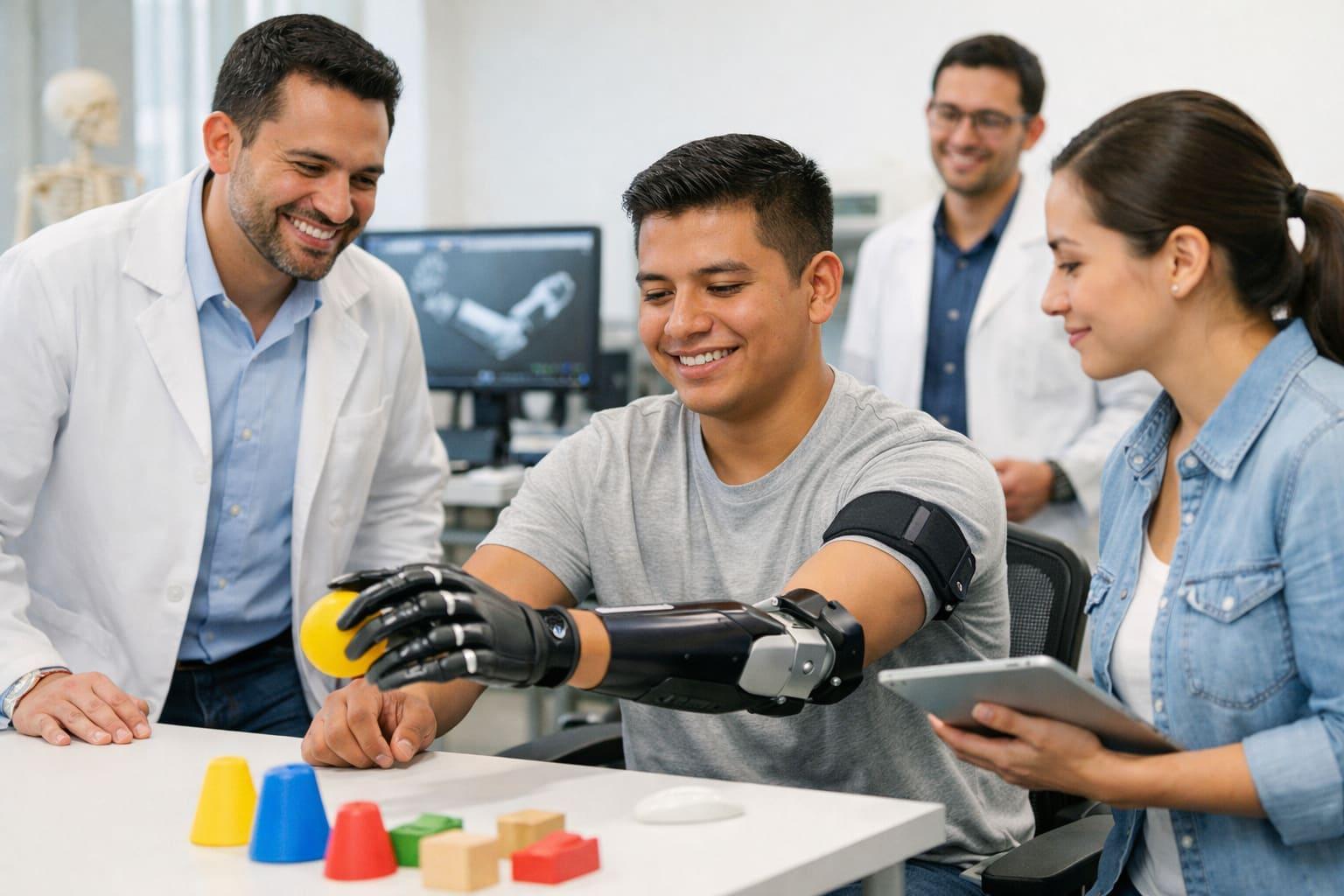
In Guadalajara, Mexico, researchers have developed the E-Redi prosthetic arm, a groundbreaking device that simplifies bionic limb control. Utilizing a single muscle sensor, it allows users to perform multiple natural movements, enhancing the experience for amputees. This innovation, led by Dr. Erick Guzmán and supported by local science councils, aims to improve user satisfaction and reduce frustration with prosthetics.