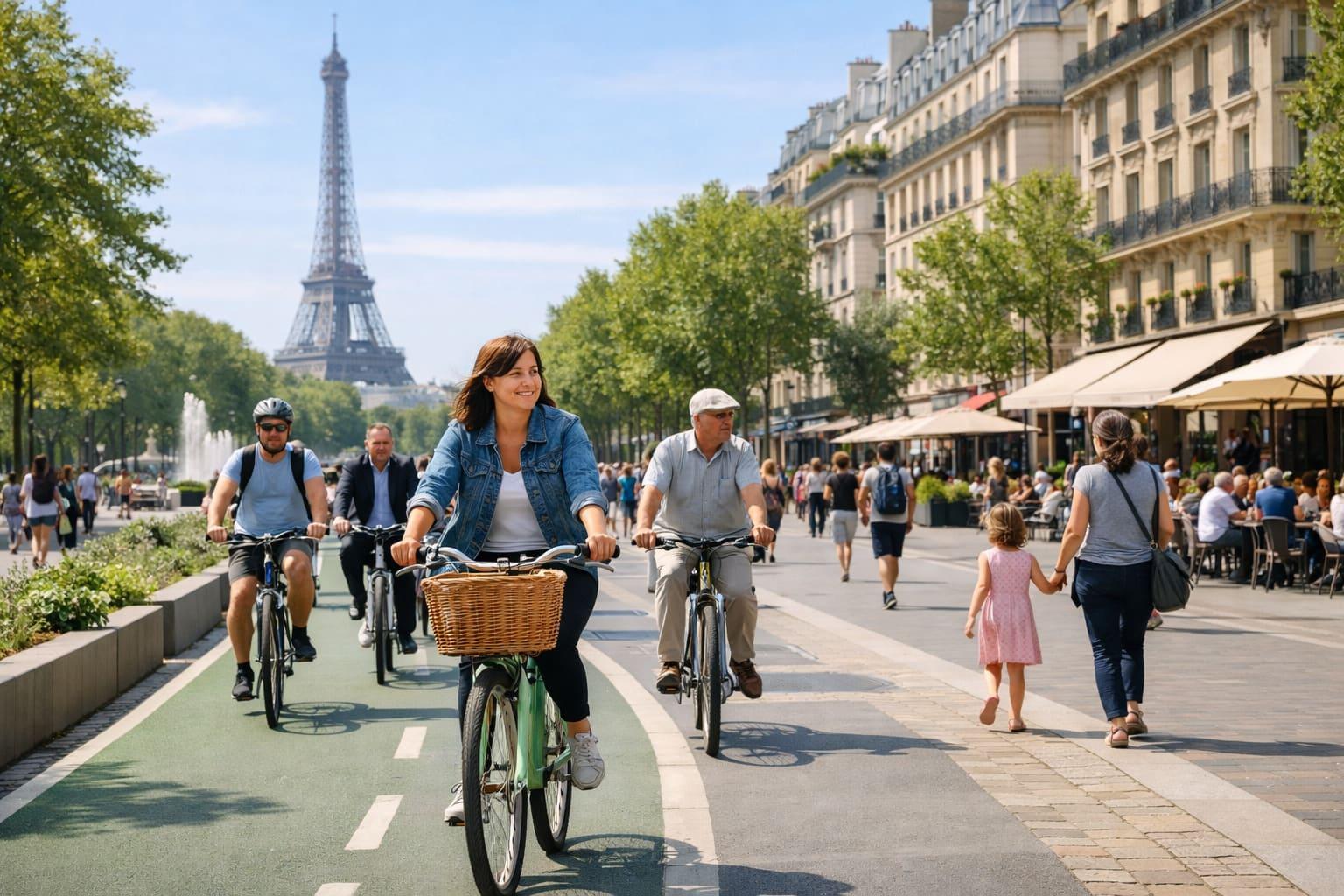
How Paris Swapped Cars for Bikes – and Transformed Its Streets
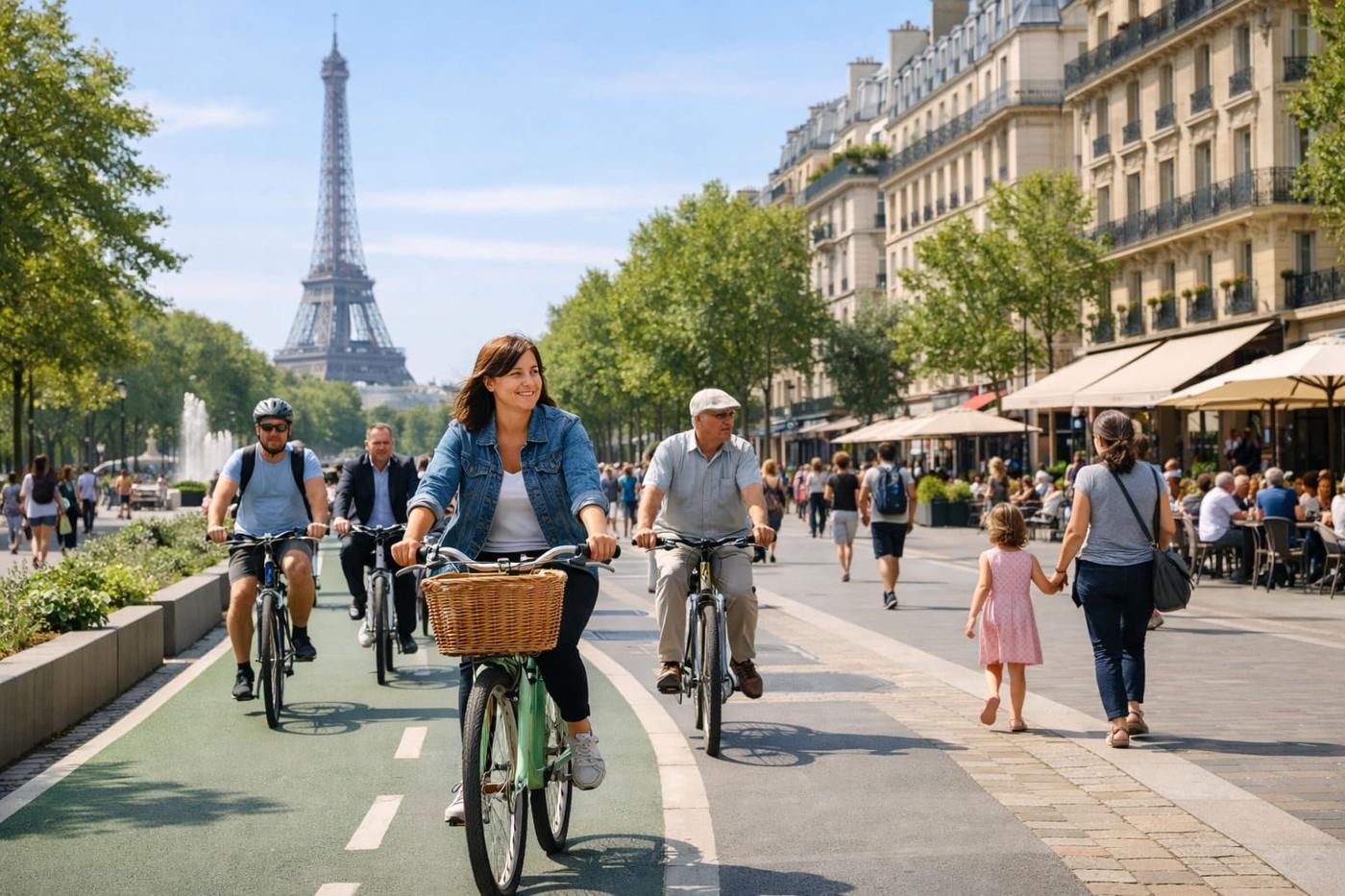
Paris has undergone a significant transformation under outgoing mayor Anne Hidalgo, shifting from a car-centric city to one that embraces cycling and pedestrian-friendly spaces. The city has added extensive bike lanes, pedestrianized areas, and improved air quality, showcasing a model for urban livability. This change has been met with both support and resistance, but it highlights the potential for cities to prioritize sustainable transport solutions.
Why it's positive
The transformation of Paris into a bike-friendly city has led to improved air quality and safer streets for residents. This initiative serves as an inspiring example for other cities worldwide.
Why it matters
This shift in urban planning promotes healthier lifestyles and environmental sustainability.
Why now
As cities globally face challenges related to pollution and traffic congestion, Paris's example comes at a crucial time for urban policy discussions.
Impact analysis
The changes in Paris reflect a growing trend towards sustainable urban development, encouraging other cities to adopt similar policies. The positive outcomes in air quality and public safety can inspire further investments in green infrastructure. This transformation could lead to long-term benefits for urban living and environmental health.
Regional map
Where this story sits
On this map
How Paris Swapped Cars for Bikes – and Transformed Its Streets
Paris, France