A New Idea to Save the AMOC? Dam the Bering Strait.
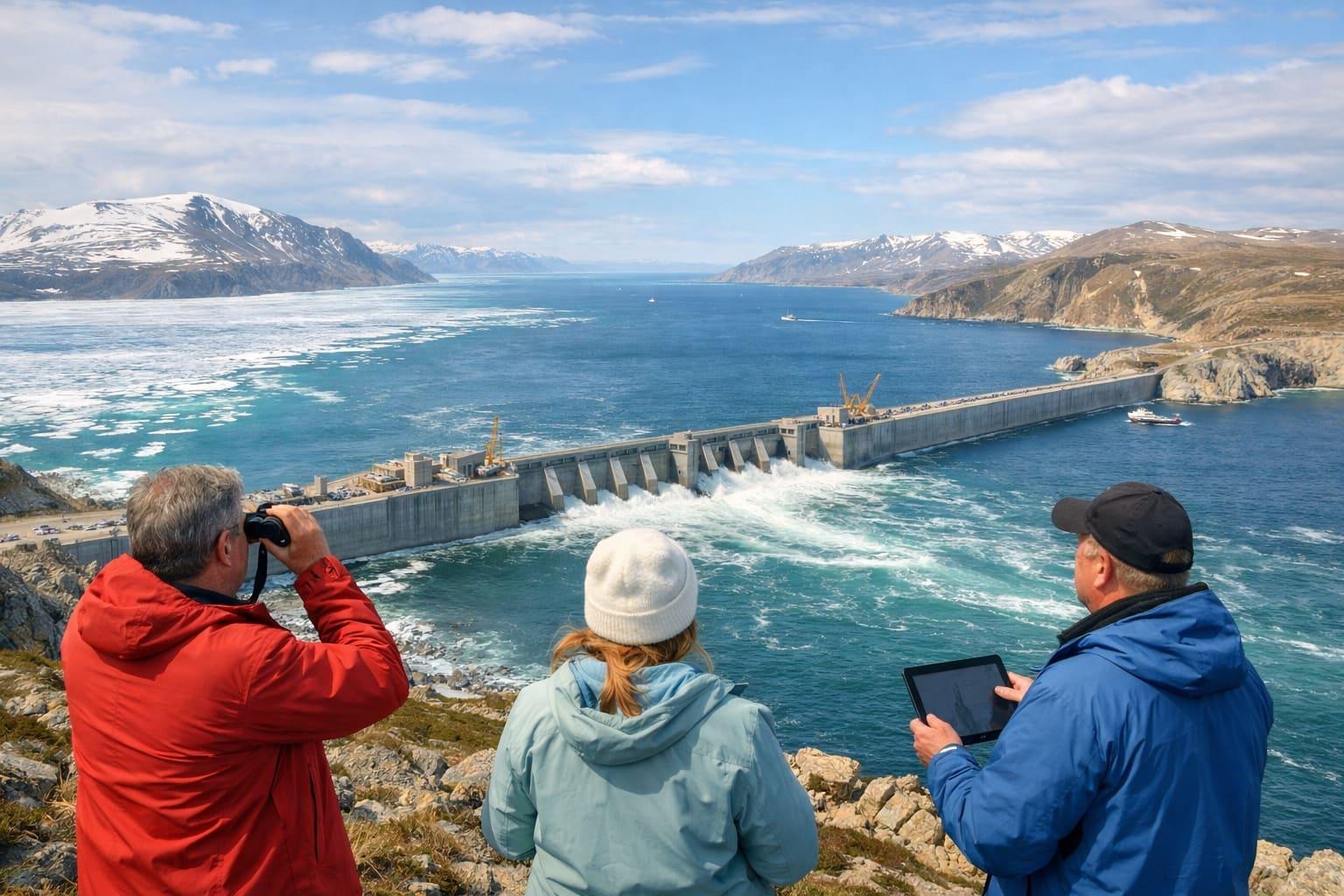
A proposal has emerged to construct a dam at the Bering Strait as a potential solution to stabilize the Atlantic Meridional Overturning Circulation (AMOC). This innovative idea aims to address climate change impacts by regulating ocean currents. Experts are evaluating the feasibility and implications of this approach.
At a glance
Location and topic
Region
Global
Tag cluster
Trend count
+0 related briefs
What happened
The Atlantic Meridional Overturning Circulation (AMOC) is a critical component of Earth's climate system, responsible for regulating temperatures and influencing weather patterns across the globe. Recent studies, including those from the National Oceanic and Atmospheric Administration (NOAA) and various academic institutions, indicate that the AMOC is weakening at an alarming rate. This decline poses severe climate consequences, such as increased frequency of extreme weather events, rising sea levels, and disruptions to marine ecosystems. In light of these findings, researchers have proposed an ambitious and innovative solution: constructing a dam at the Bering Strait. This dam would aim to regulate the flow of water between the Arctic and the North Atlantic, potentially stabilizing the AMOC and mitigating some of the adverse effects of climate change. The proposal is currently under discussion among climate scientists, policymakers, and environmental advocates, who are evaluating its feasibility, potential ecological impacts, and the broader implications for climate resilience. The idea of a dam at the Bering Strait is not merely a theoretical exercise; it represents a significant shift in how we might approach climate change solutions. As the urgency of the climate crisis escalates, the conversation around this proposal is gaining momentum, with experts weighing the potential benefits against the risks of intervening in such a complex natural system. The discussions surrounding the dam reflect a growing recognition of the need for innovative and sometimes unconventional approaches to address the multifaceted challenges posed by climate change.
Why this matters
The AMOC is vital for maintaining climate balance, particularly in the Northern Hemisphere, where it influences weather patterns and temperature regulation. A stable AMOC is essential for preventing extreme weather events and ensuring the health of marine ecosystems. The proposed dam at the Bering Strait could represent a groundbreaking approach to climate resilience, offering a potential method to counteract the decline of the AMOC. As climate change continues to threaten global stability, exploring innovative solutions like this dam becomes increasingly critical. The implications of successfully stabilizing the AMOC could extend beyond immediate climate impacts, potentially influencing global food security, water resources, and biodiversity. Addressing the decline of the AMOC is not just an environmental concern; it is a matter of intergenerational equity, as future generations will bear the consequences of today's climate decisions. Therefore, the exploration of such proposals is essential for ensuring a sustainable future.
What changed
The proposal for a dam at the Bering Strait signifies a notable shift in the approach that scientists and policymakers are taking toward climate change solutions. Traditionally, the focus has been on reducing greenhouse gas emissions through policies aimed at transitioning to renewable energy sources and enhancing energy efficiency. However, the Bering Strait dam introduces a more direct intervention in natural systems, marking a departure from conventional mitigation strategies. This shift reflects a growing acceptance of geoengineering as a viable option in the climate change toolkit. The conversation around geoengineering is gaining traction, with increasing recognition of the potential benefits and risks associated with such interventions. The Bering Strait dam proposal invites a broader dialogue about the ethical implications of manipulating natural systems and the need for comprehensive assessments of potential ecological impacts. As discussions evolve, it is crucial to consider not only the technical feasibility of such projects but also the societal and environmental ramifications that could arise from large-scale geoengineering efforts.
Bigger picture
The proposed dam at the Bering Strait is part of a larger discourse on geoengineering as a response to the escalating climate crisis. As global temperatures continue to rise and extreme weather events become more frequent, the urgency for innovative solutions is paramount. This proposal highlights the intersection of technology, environmental science, and policy, emphasizing the need for collaborative efforts to tackle climate challenges. The implications of such interventions could reshape our understanding of climate management and conservation, prompting a reevaluation of how we interact with natural systems. The Bering Strait dam could serve as a case study for future geoengineering projects, illustrating both the potential benefits and the ethical dilemmas associated with large-scale environmental interventions. As the global community grapples with the realities of climate change, the exploration of unconventional solutions like this dam may pave the way for new strategies in climate adaptation and mitigation. However, it is essential to approach these discussions with caution, ensuring that any proposed interventions are grounded in rigorous scientific research and ethical considerations. The future of climate policy may hinge on our ability to balance innovation with responsibility, making the Bering Strait dam proposal a focal point in the ongoing dialogue about our planet's climate future.
History
The concept of manipulating natural systems to combat climate change is not a new phenomenon. Over the years, various geoengineering proposals have emerged, ranging from solar radiation management to carbon capture technologies. The urgency of climate change has intensified discussions around these ideas, with scientists and policymakers increasingly exploring unconventional methods to mitigate its impacts. The Bering Strait dam proposal reflects a growing recognition of the need for innovative solutions in the face of escalating climate threats. Historical attempts at geoengineering have often been met with skepticism due to concerns about unintended consequences and ethical implications. However, as the climate crisis deepens, the willingness to consider such proposals is evolving. The Bering Strait dam could represent a pivotal moment in the history of climate intervention, potentially setting a precedent for future geoengineering initiatives. This proposal underscores the importance of interdisciplinary collaboration in addressing climate change, as it brings together experts from various fields to evaluate the feasibility and implications of such a significant intervention.
Looking Towards the Future
As discussions around the Bering Strait dam progress, it will be crucial to monitor scientific assessments regarding its feasibility and potential ecological impacts. Researchers will need to conduct thorough evaluations of how such a dam could affect marine ecosystems, local communities, and global climate patterns. Additionally, public and political responses to geoengineering proposals will play a significant role in shaping future climate policy. Observers should pay attention to emerging research on the AMOC and its implications for global climate stability, as well as the broader discourse on geoengineering. The outcomes of these discussions could influence not only the future of the Bering Strait dam proposal but also the trajectory of climate intervention strategies worldwide. Engaging with diverse stakeholders, including environmental groups, indigenous communities, and policymakers, will be essential to ensure that any proposed interventions are equitable and sustainable.
Story timeline
AMOC Decline
Studies indicate a significant decline in the AMOC, raising alarms among climate scientists.
Proposal Emergence
The idea of constructing a dam at the Bering Strait is proposed as a potential solution.
Public Discussion
The proposal sparks public and scientific discussions about geoengineering.
Sources behind this brief
2 total
NYT World RSS
PaywalledOriginal article discussing the proposal.
Climate Change Journal
Research on the implications of AMOC changes.
Further reading on this topic
3 links
Earth.Org
An overview of the Bering Strait dam proposal and its potential impact on the AMOC.
EGUsphere
A study examining the effects of a Bering Strait closure on AMOC resilience using a climate box model.
Earth & Environmental Systems Modeling
Research highlighting the impact of Bering Strait closure on AMOC and global climate under various conditions.
Context zone
Context zone
On this map
A New Idea to Save the AMOC? Dam the Bering Strait.
Global
No other published articles from this region yet. This marker anchors the story for future regional clustering.